AI-Powered Academic Literature Review
Tessera
Tessera is an AI-powered academic literature review platform that searches five major databases (Semantic Scholar, arXiv, OpenAlex, CrossRef, and PubMed) to find relevant research papers.
It generates structured paper summaries and cross-paper literature syntheses, visualizes citation networks with relationship classification, and extracts findings, methods, gaps, and conclusions into a searchable knowledge base.
Results can be exported as BibTeX, JSON, or a deployable static website. The interactive citation graph lets you explore how papers relate to each other, identifying clusters, influential works, and research gaps.
Gallery
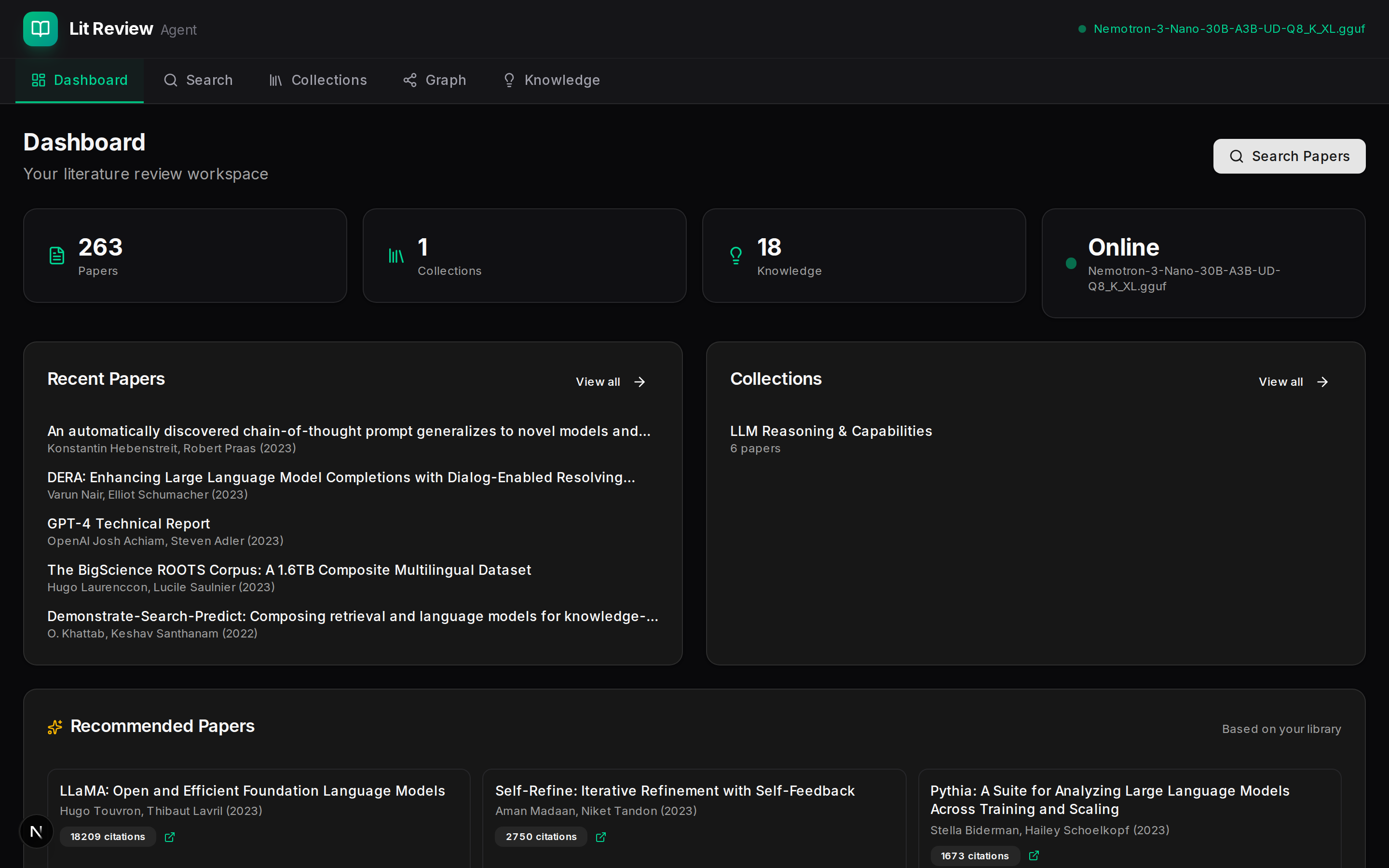
Tessera - Dashboard
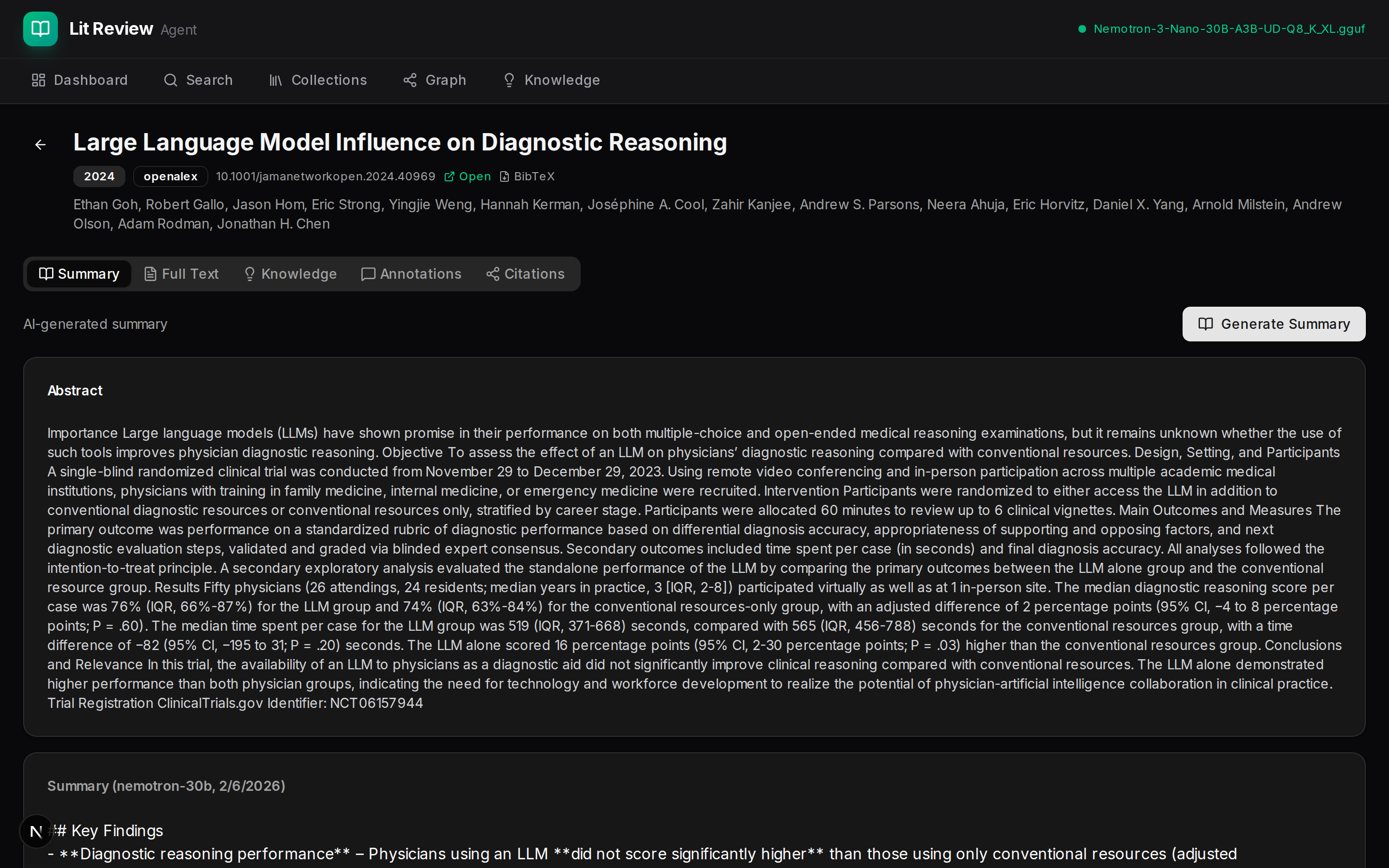
Tessera - Paper Detail
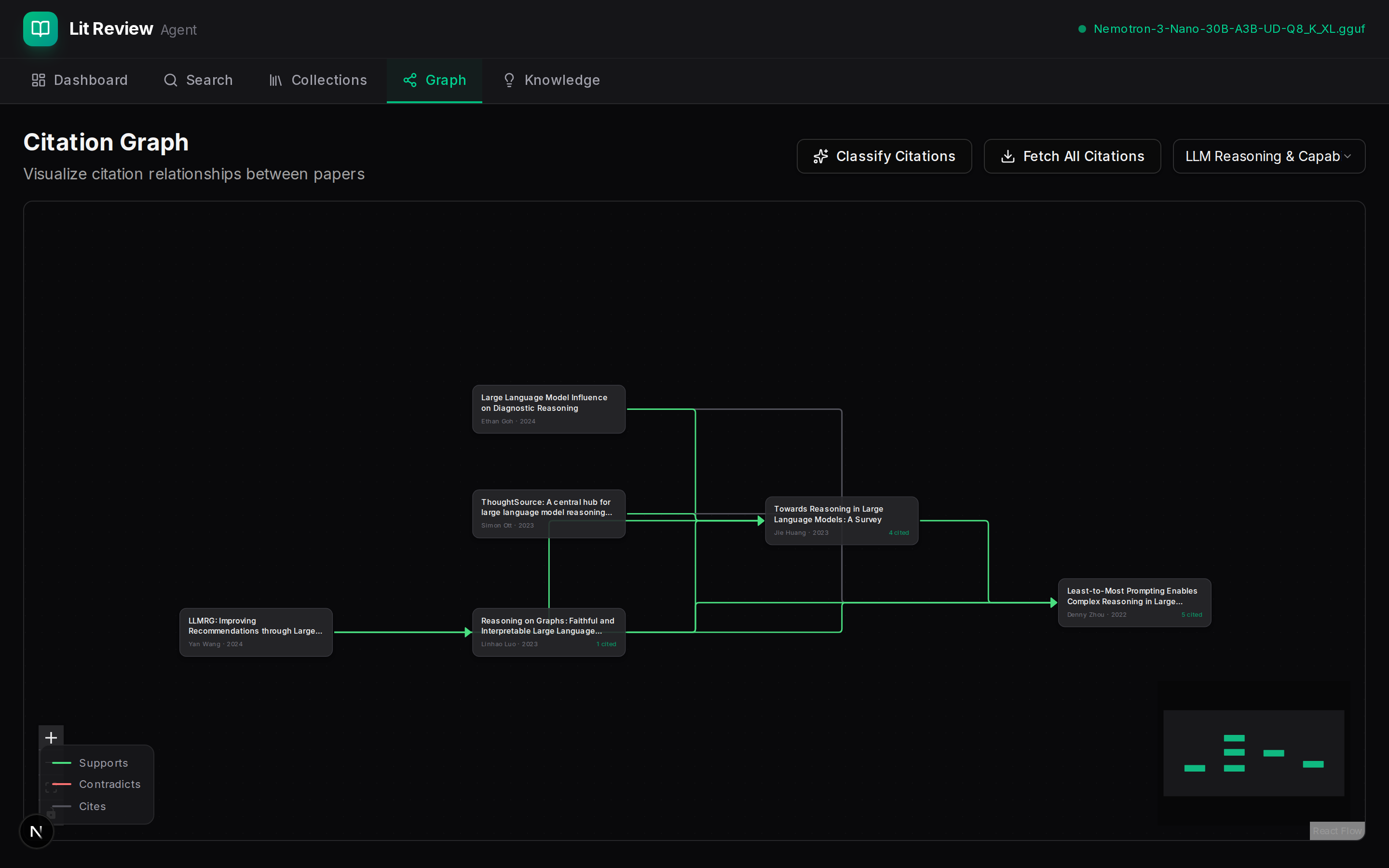
Tessera - Citation Graph
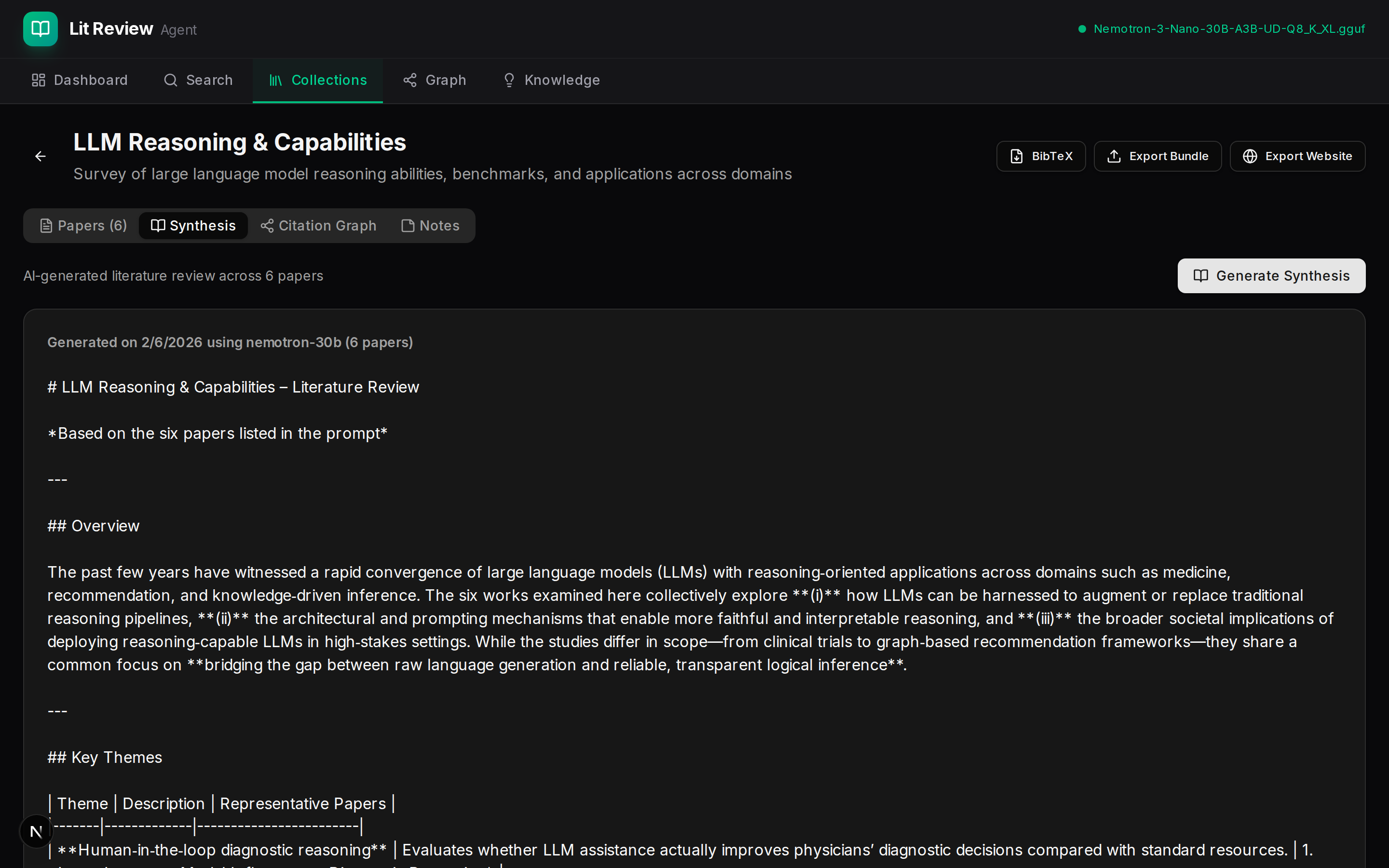
Tessera - Literature Synthesis
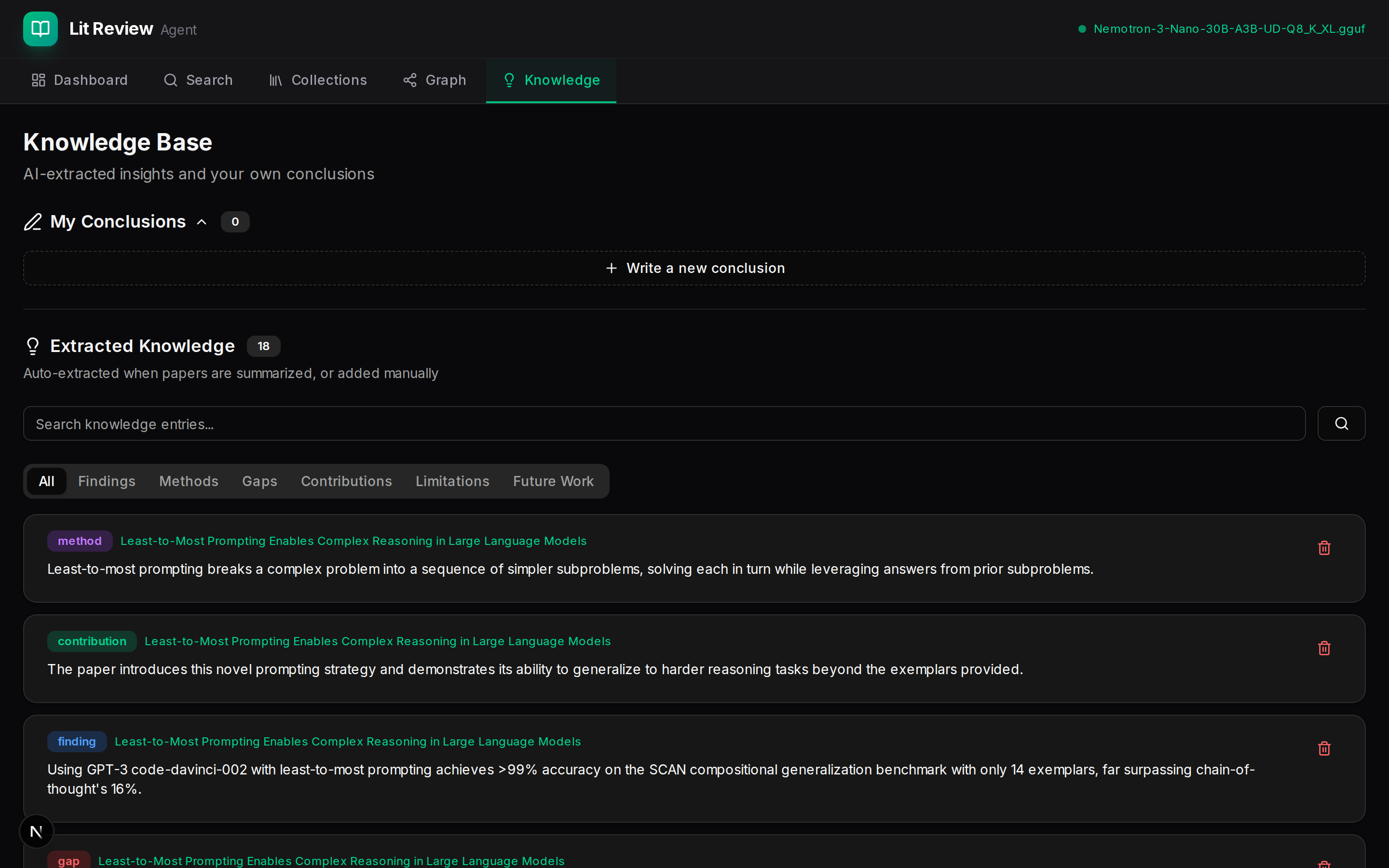
Tessera - Knowledge Base
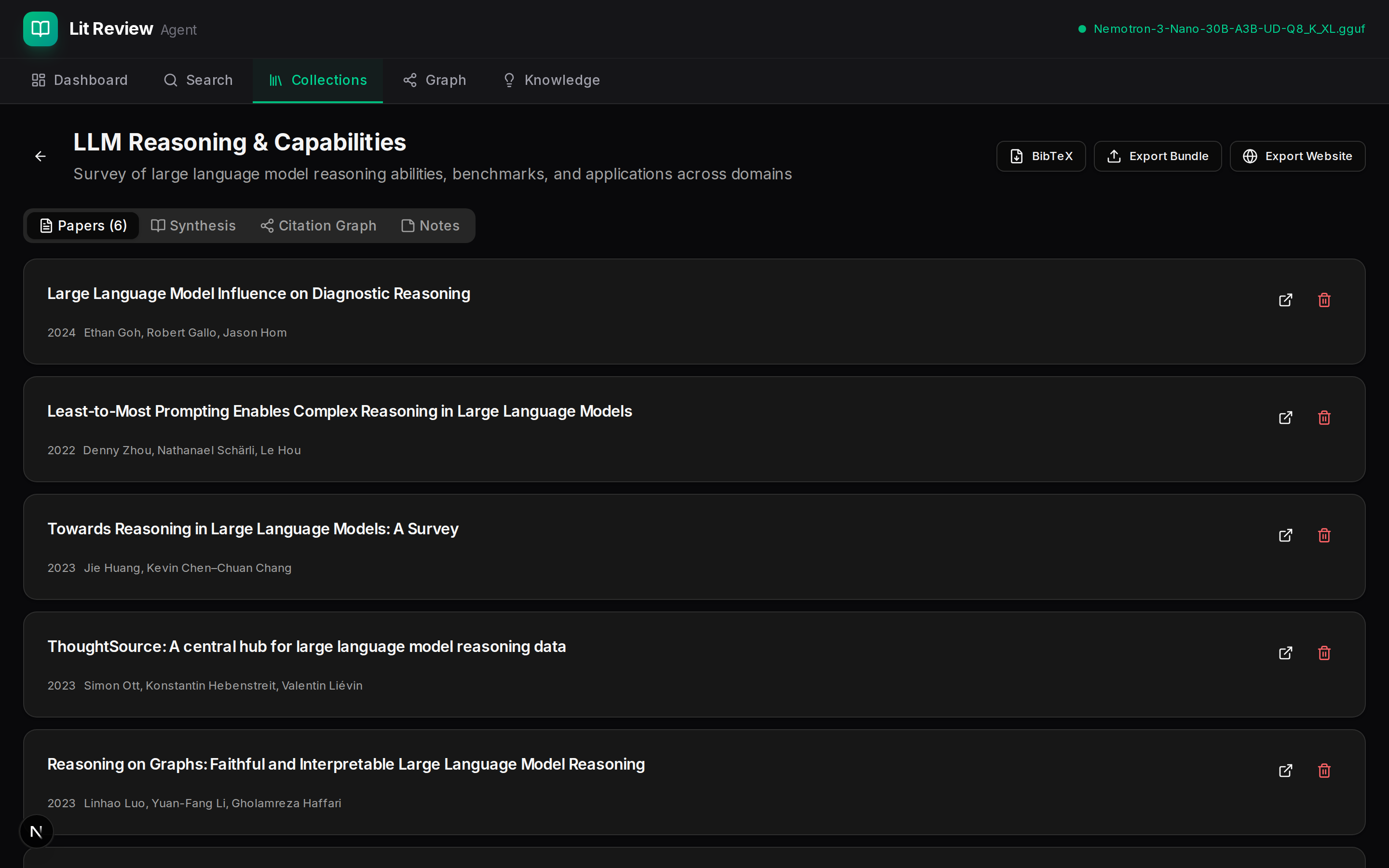
Tessera - Collection Detail
Case Study
The Problem
Academic literature review is one of the most time-intensive parts of research. A graduate student starting a new topic might spend weeks reading abstracts across multiple databases, manually tracking citations, and trying to synthesize themes across dozens of papers. Existing tools like Google Scholar or Zotero help with discovery and organization, but they don't help you understand where the consensus is, where the gaps are, or how papers relate to each other.
Design Challenge
AI-generated summaries of academic papers are inherently risky. A hallucinated finding or misattributed claim could send a researcher down the wrong path. The core design challenge was making AI-assisted analysis trustworthy enough for academic use. Every AI-generated insight needs to be traceable back to its source, and the system needs to surface uncertainty rather than hide it.
Key Design Decisions
Tessera searches five databases simultaneously (Semantic Scholar, arXiv, OpenAlex, CrossRef, PubMed) and deduplicates results, so researchers get comprehensive coverage without manually cross-referencing. Each paper gets a structured summary with explicit source attribution: not a freeform paragraph, but extracted findings, methods, gaps, and conclusions that can be individually verified. The citation graph classifies relationship types (supports, contradicts, extends) rather than just showing who cited whom, making the intellectual structure of a field visible at a glance. Cross-paper synthesis identifies themes and contradictions across collections, but always links back to the specific papers driving each claim. Export to BibTeX preserves academic workflow compatibility.
Outcome
A working research tool that compresses weeks of literature review into hours. The knowledge base and citation graph give researchers a structured, navigable map of their field rather than a pile of PDFs. Results export as BibTeX for citation managers, JSON for programmatic use, or a deployable static website for sharing with collaborators.
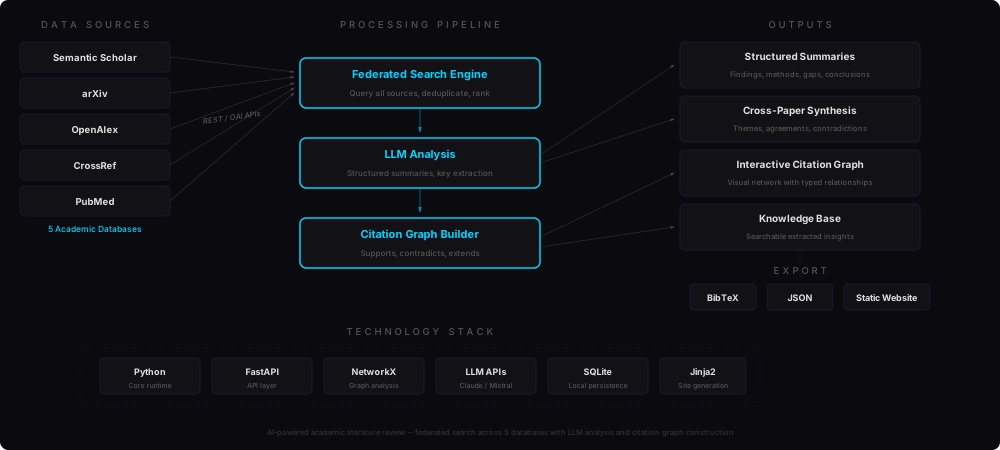
System Architecture
Technical Highlights
Federated Search
Search across Semantic Scholar, arXiv, OpenAlex, CrossRef, and PubMed simultaneously. Results are deduplicated and ranked by relevance.
AI Summaries & Synthesis
Each paper gets a structured AI-generated summary. Collections of papers get cross-paper synthesis identifying themes, agreements, contradictions, and research gaps.
Citation Graph
Interactive visualization of how papers cite each other. Relationship types are classified (supports, contradicts, extends, etc.) for richer understanding of how a field connects.
Knowledge Extraction
Automatically extracts findings, methods, gaps, and conclusions from papers into a searchable knowledge base. Export as BibTeX, JSON, or a deployable static website.