An AI-powered product placement platform that generates photorealistic brand scenes from a single product photo. Upload a product image, select a scene style, and Pixelus composites the product into a professionally lit environment using AI inpainting and depth-aware blending.
Designed for e-commerce, social media, and marketing teams who need studio-quality product shots without the studio. The platform handles background generation, lighting matching, shadow casting, and seamless compositing automatically.
Deployed on Railway with a Next.js frontend. The AI pipeline uses FLUX for scene generation with inpainting for precise product placement and depth estimation for realistic spatial integration.
Gallery
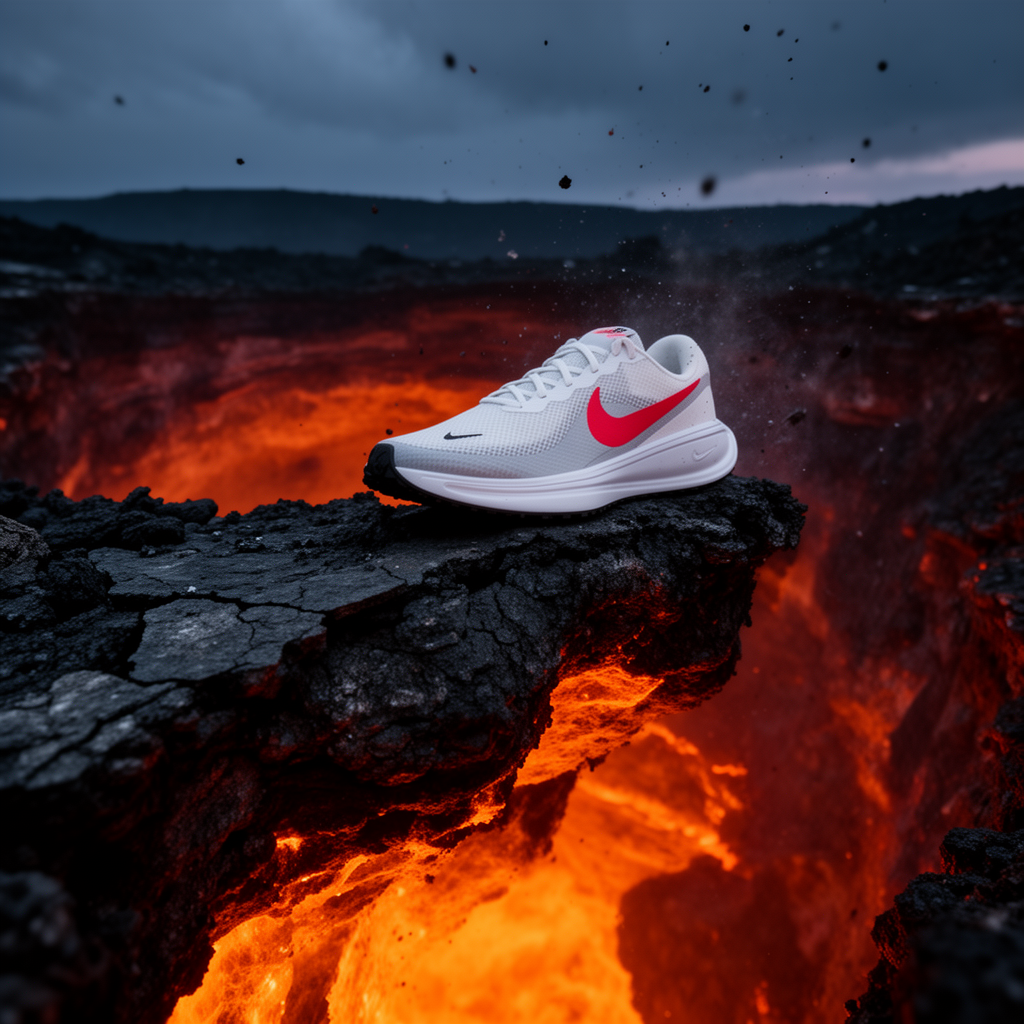
Nike mens 1 lifestyle
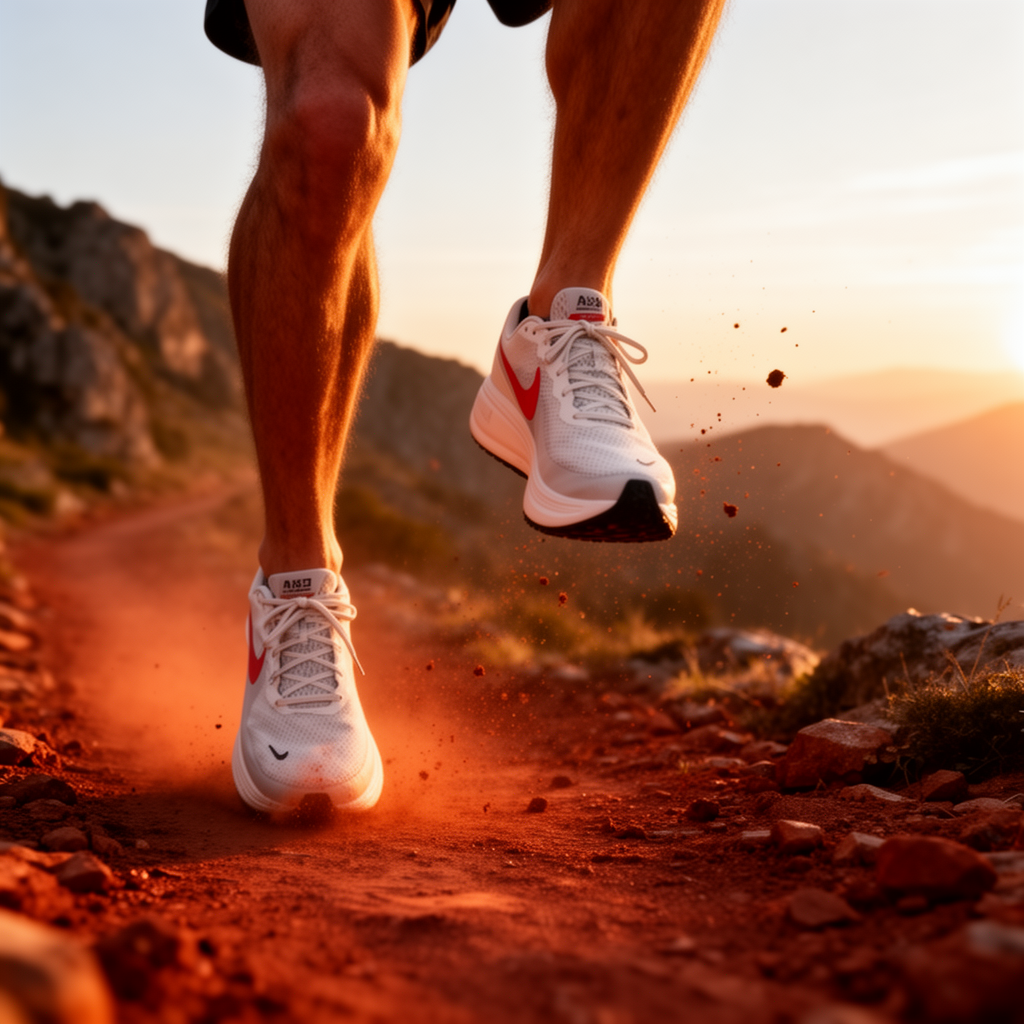
Nike mens 1 on model
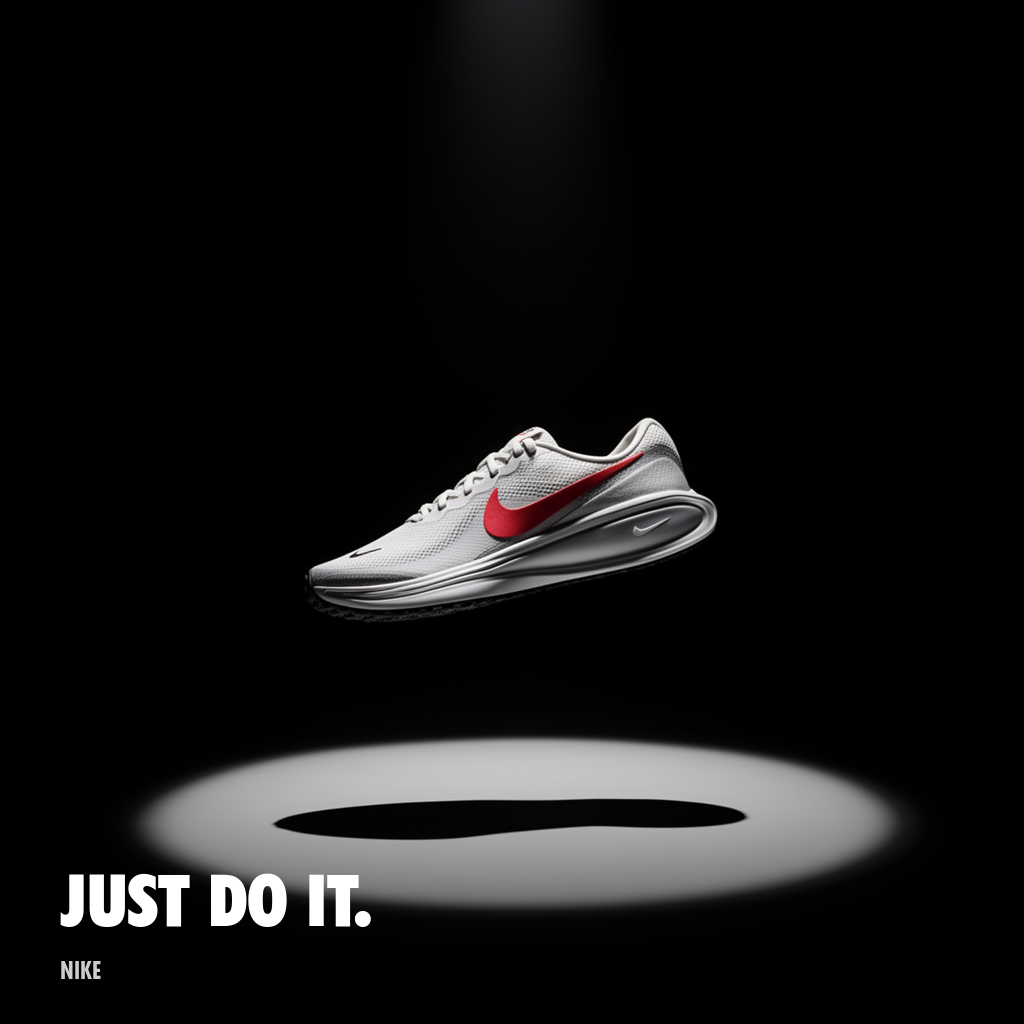
Nike mens 1 product ad
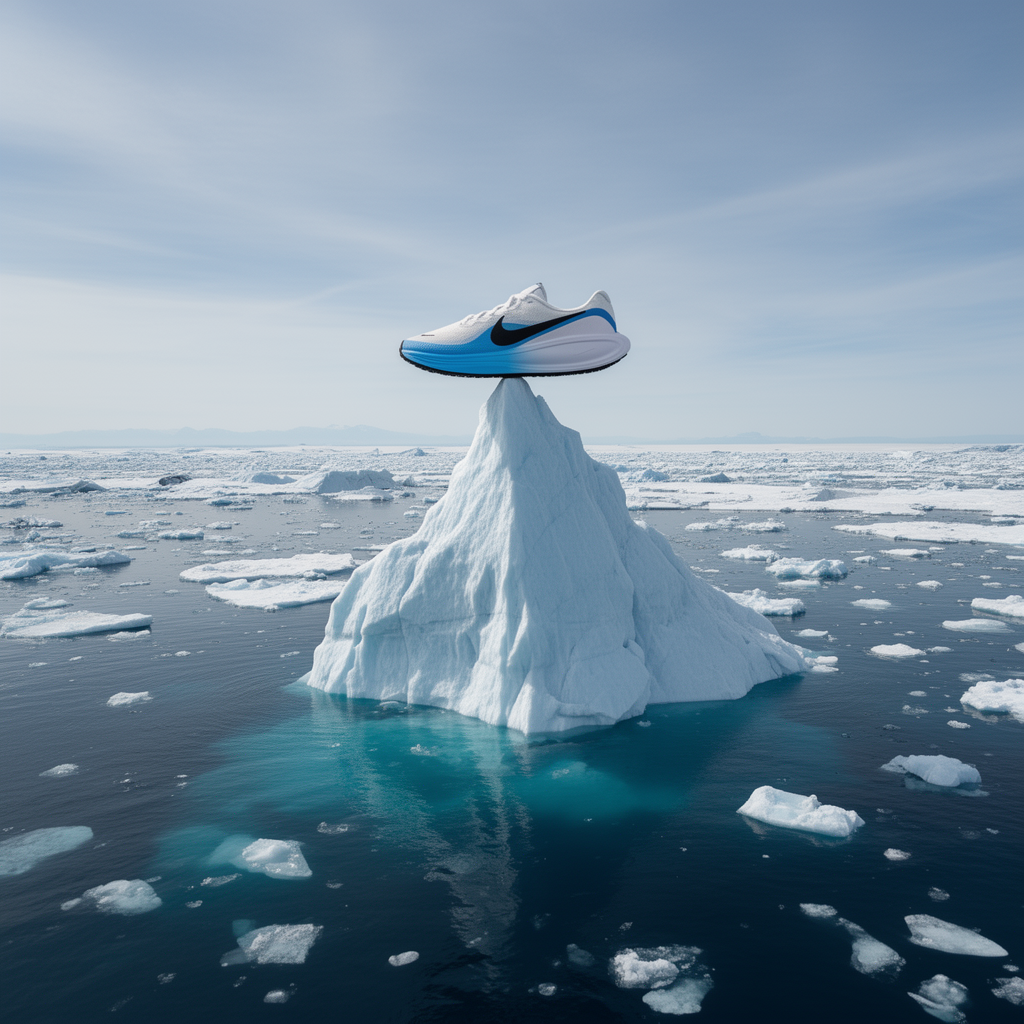
Nike mens 2 lifestyle
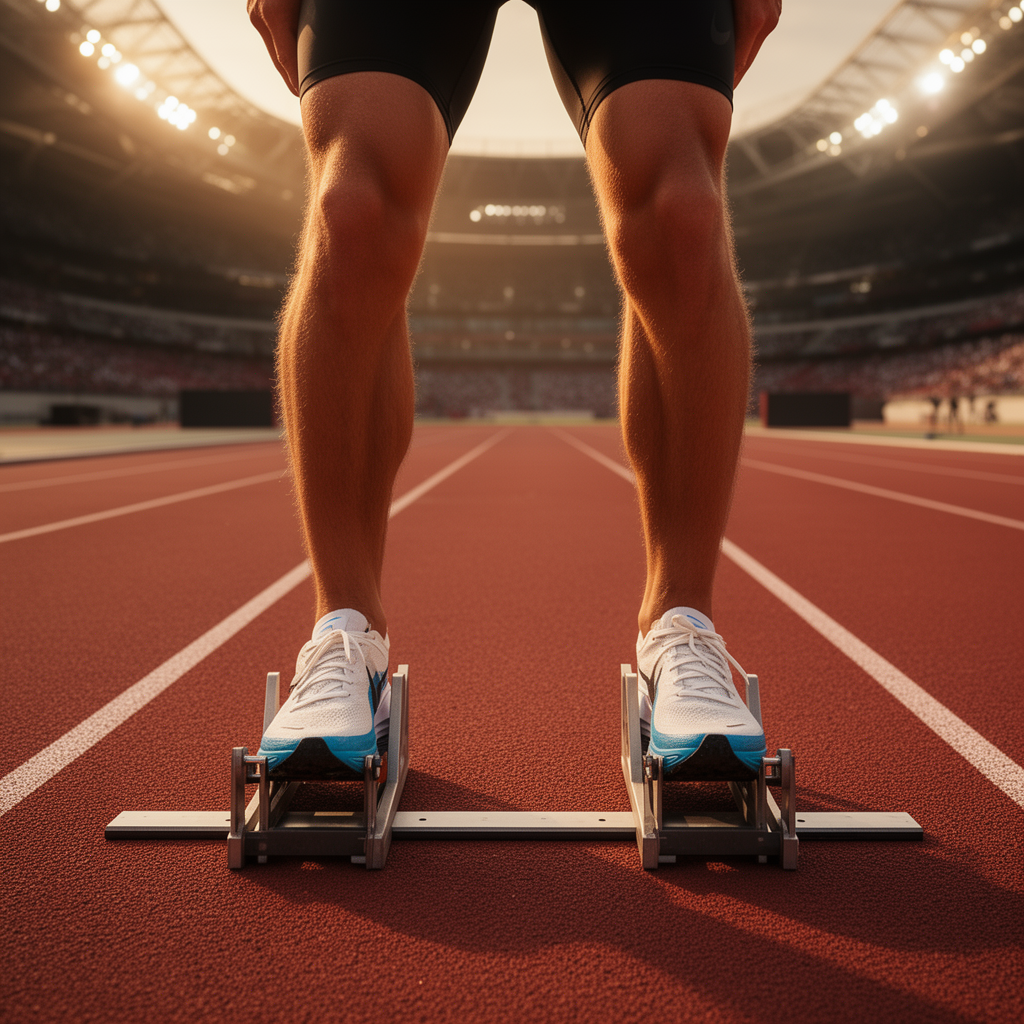
Nike mens 2 on model
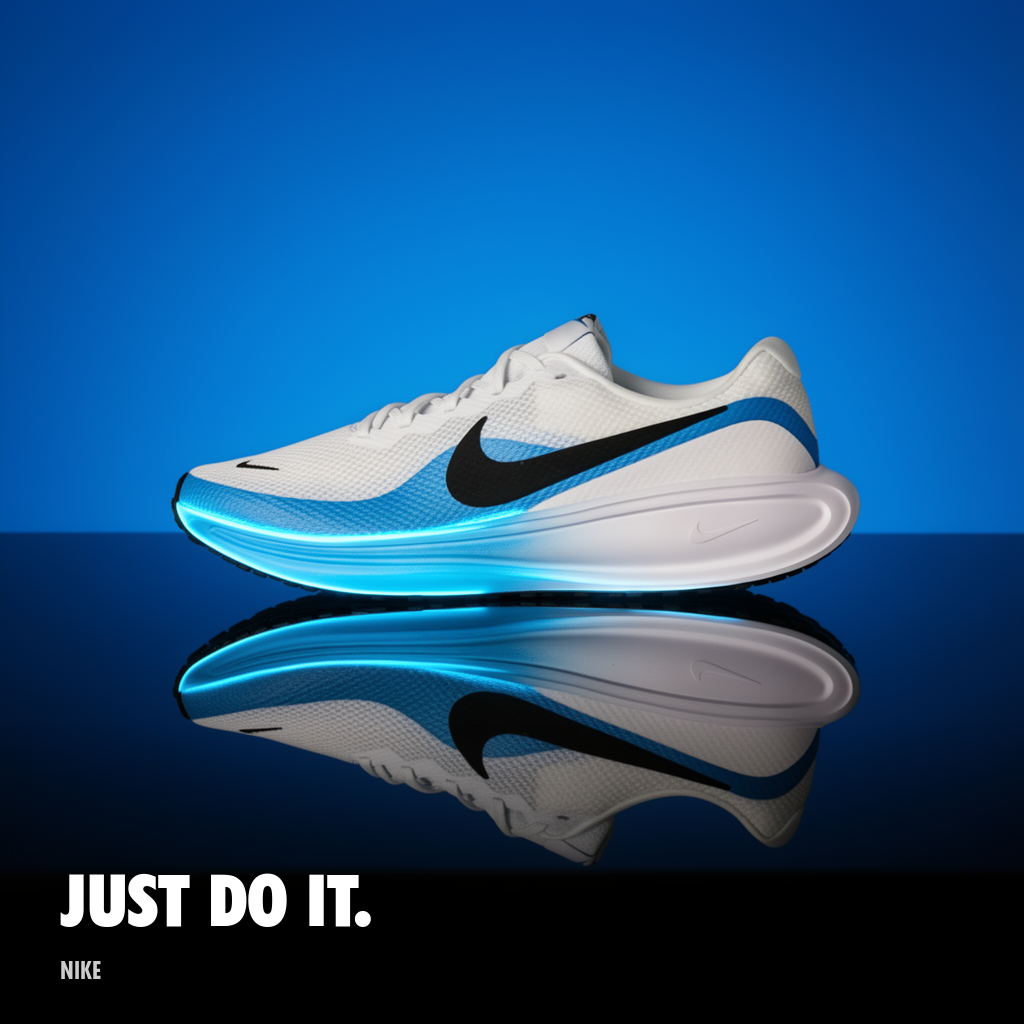
Nike mens 2 product ad
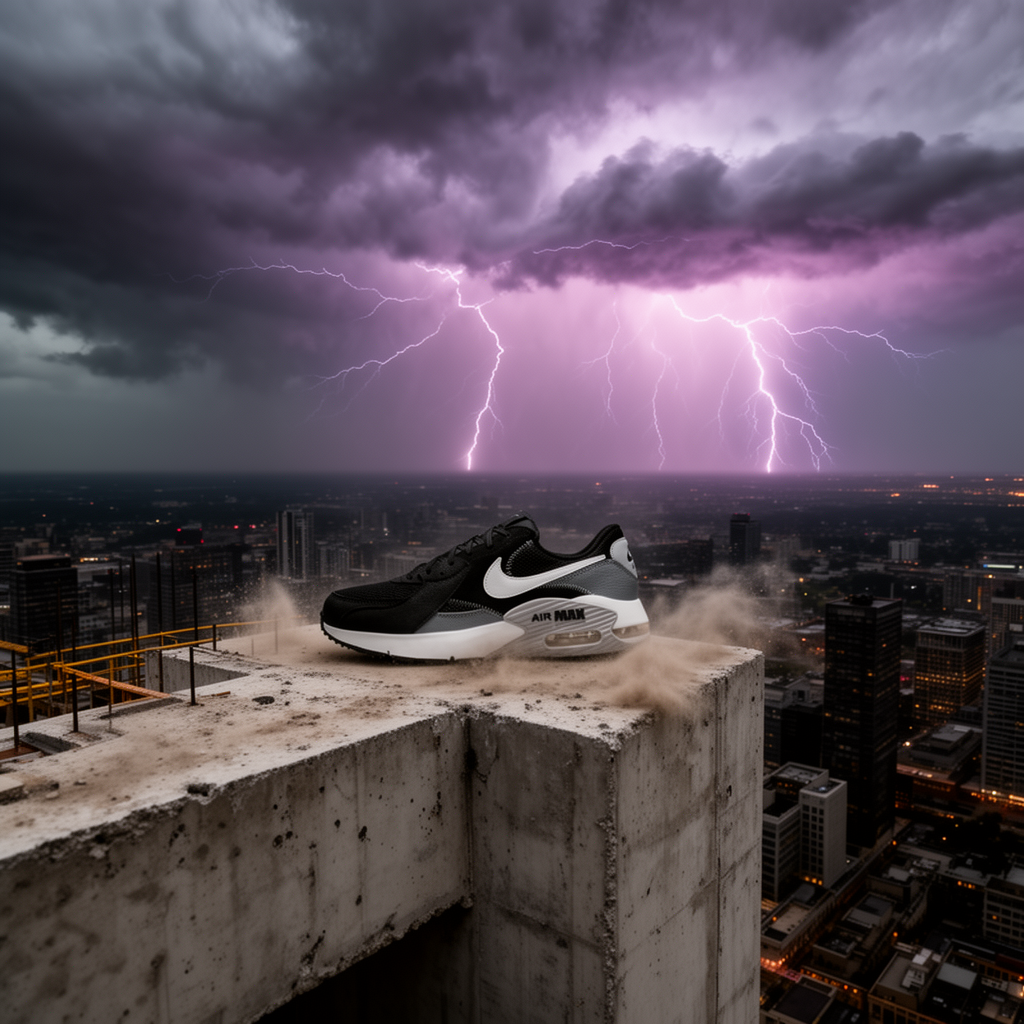
Nike mens 3 lifestyle
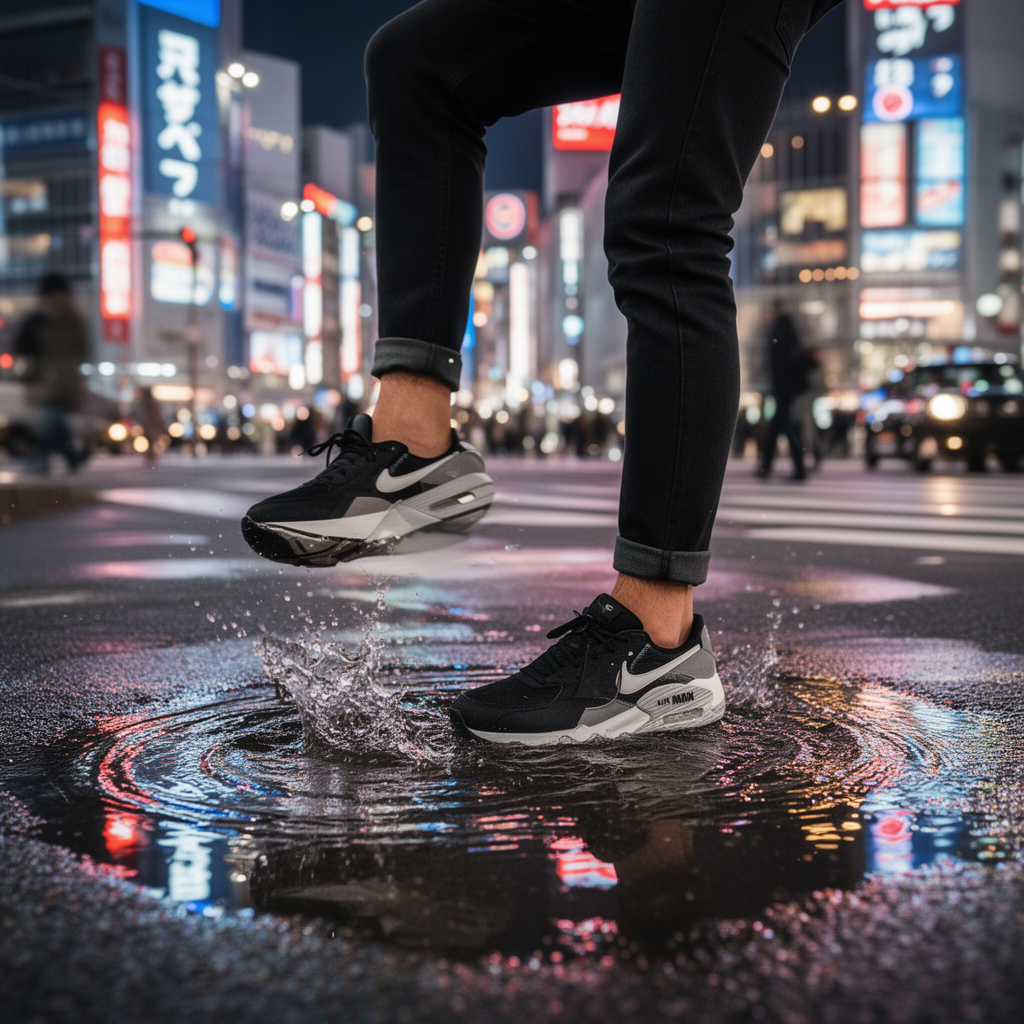
Nike mens 3 on model
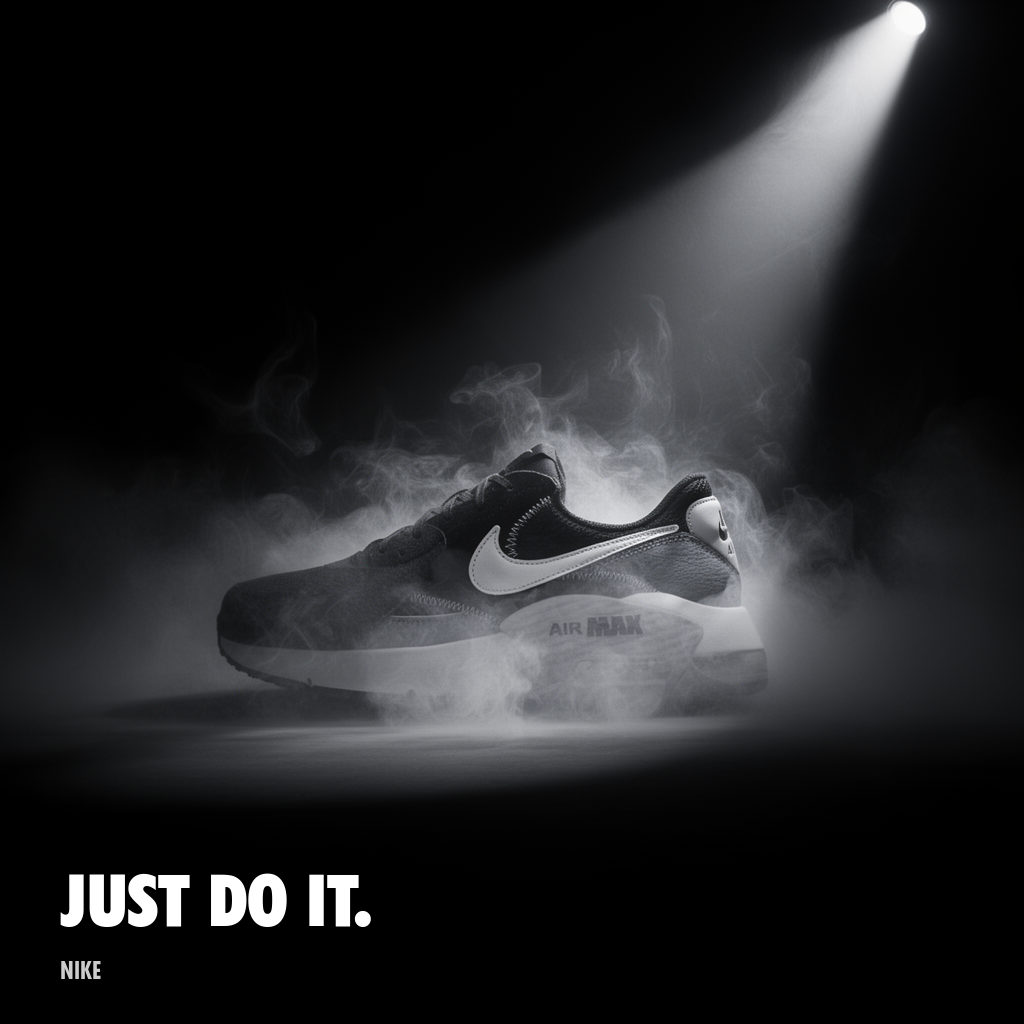
Nike mens 3 product ad
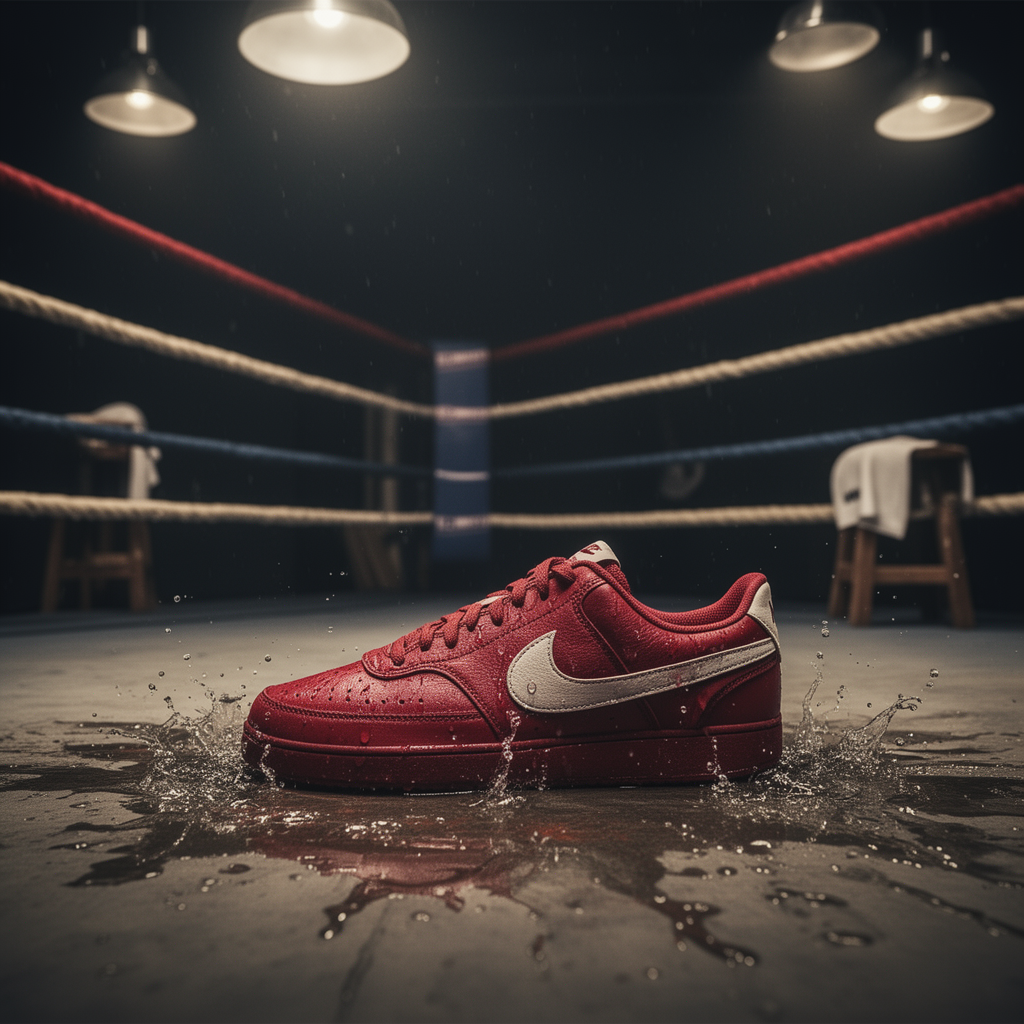
Nike mens 4 lifestyle
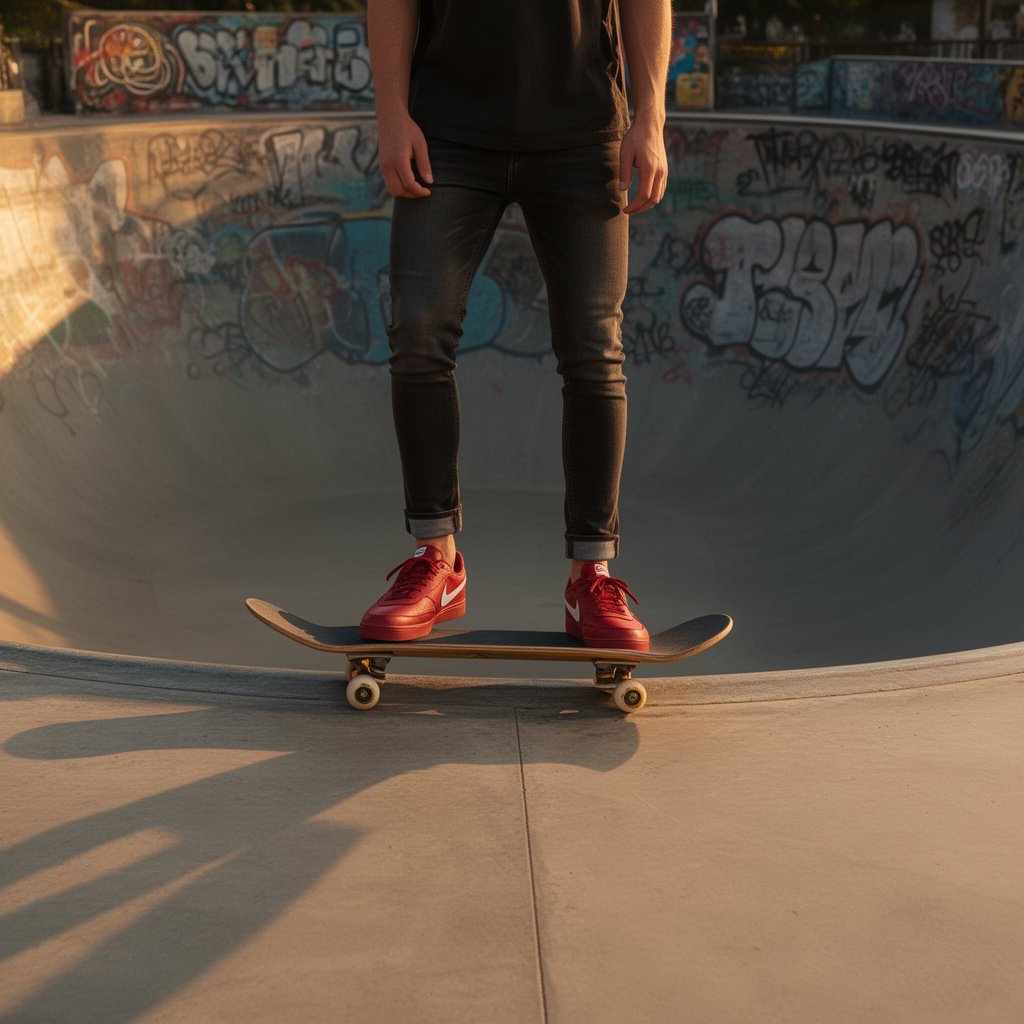
Nike mens 4 on model
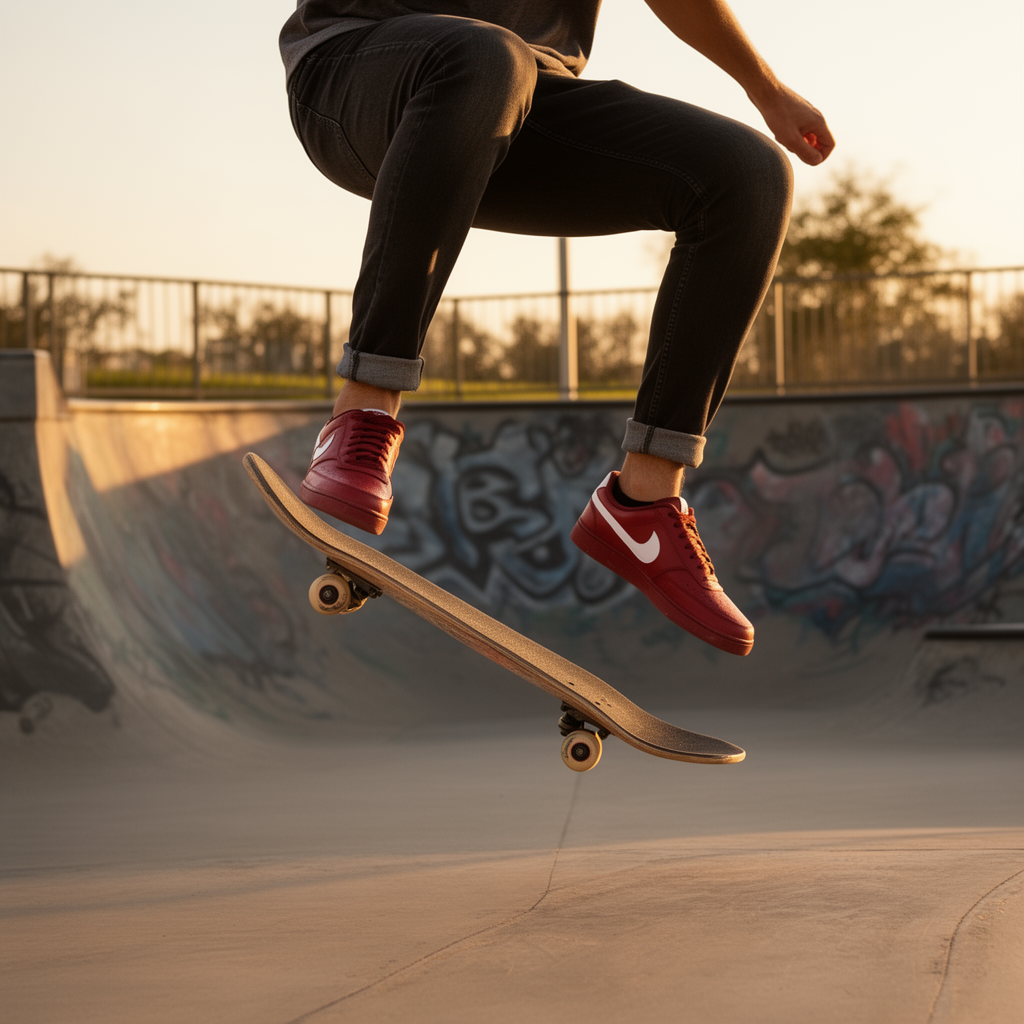
Nike mens 4 ollie
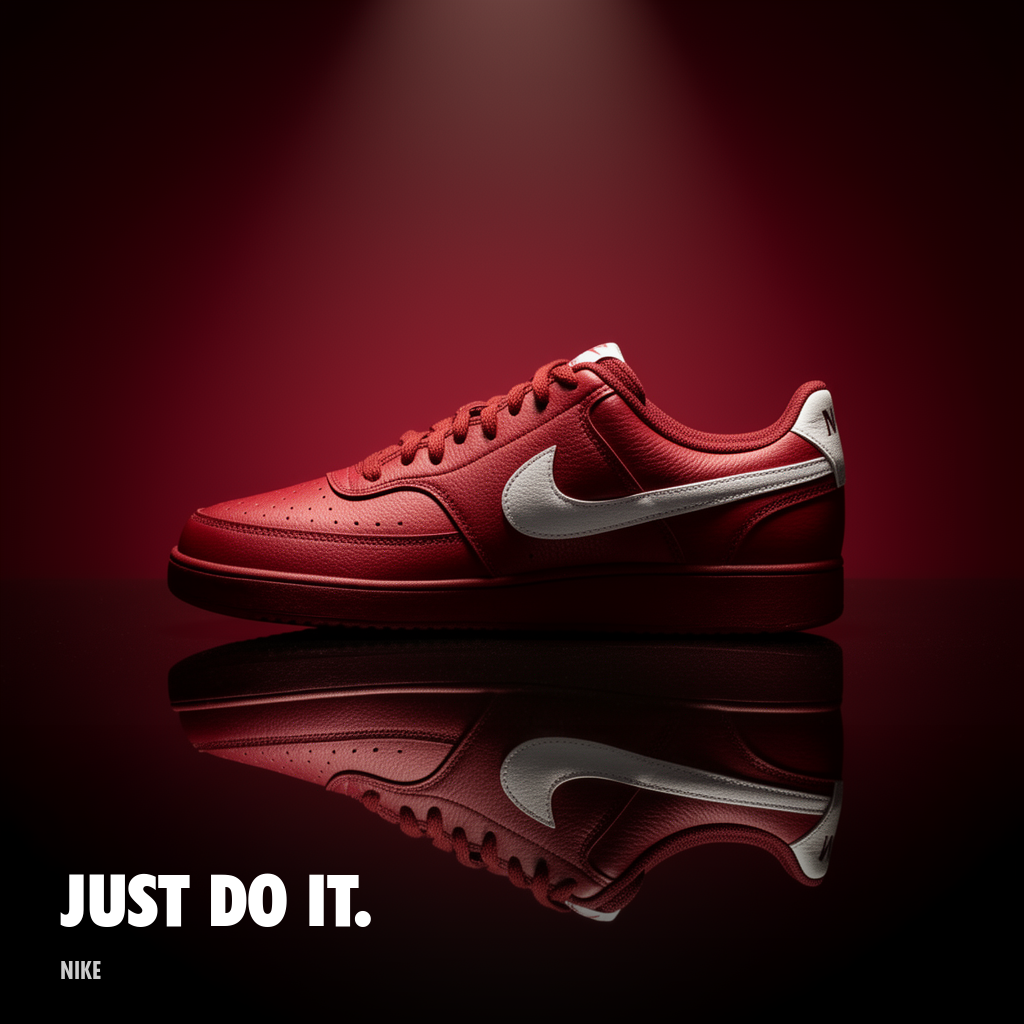
Nike mens 4 product ad
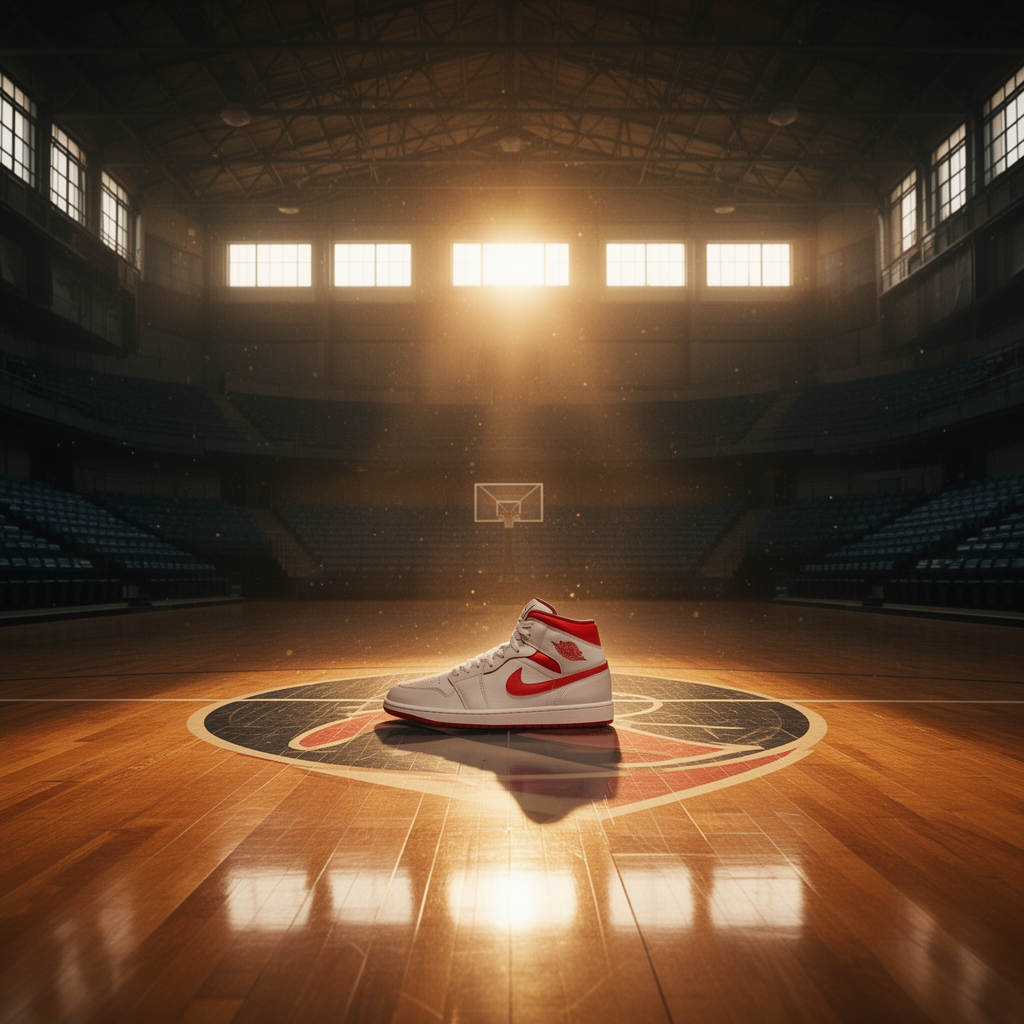
Nike mens 5 lifestyle
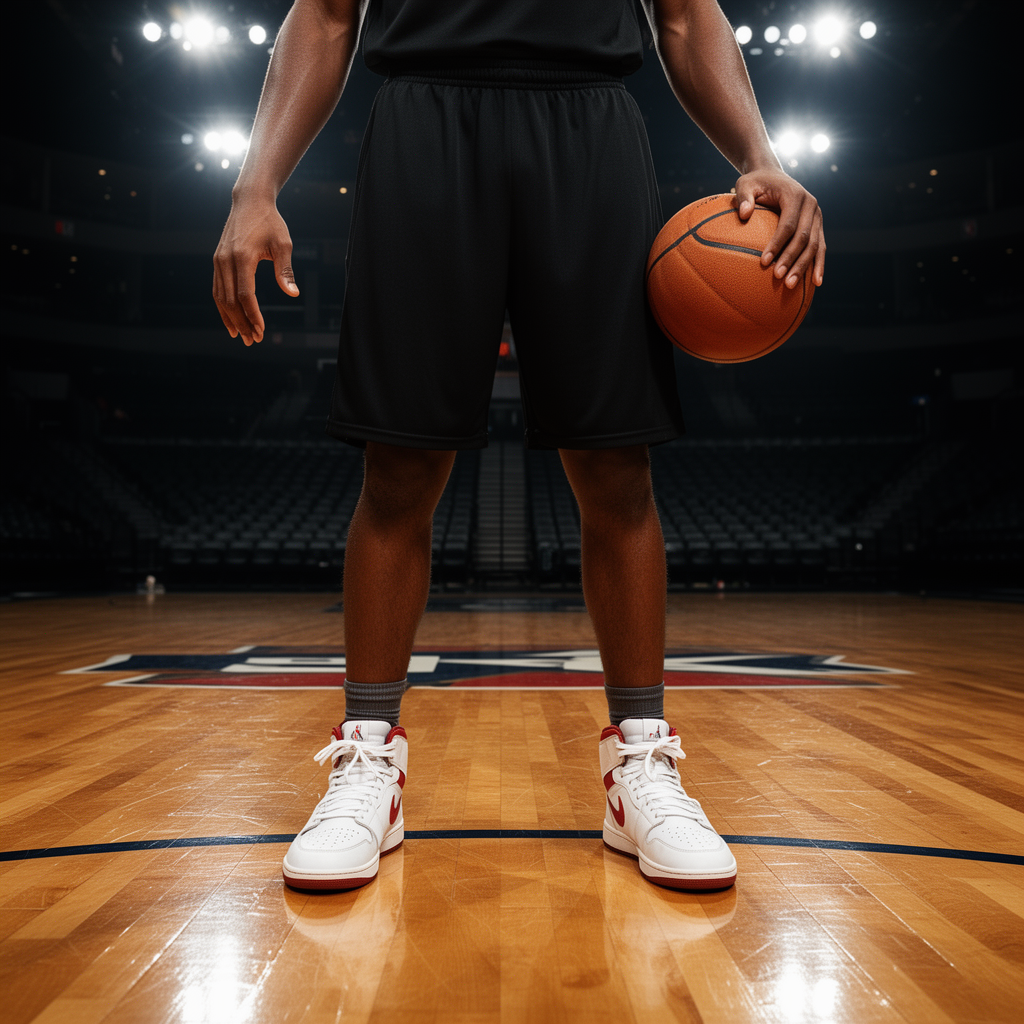
Nike mens 5 on model
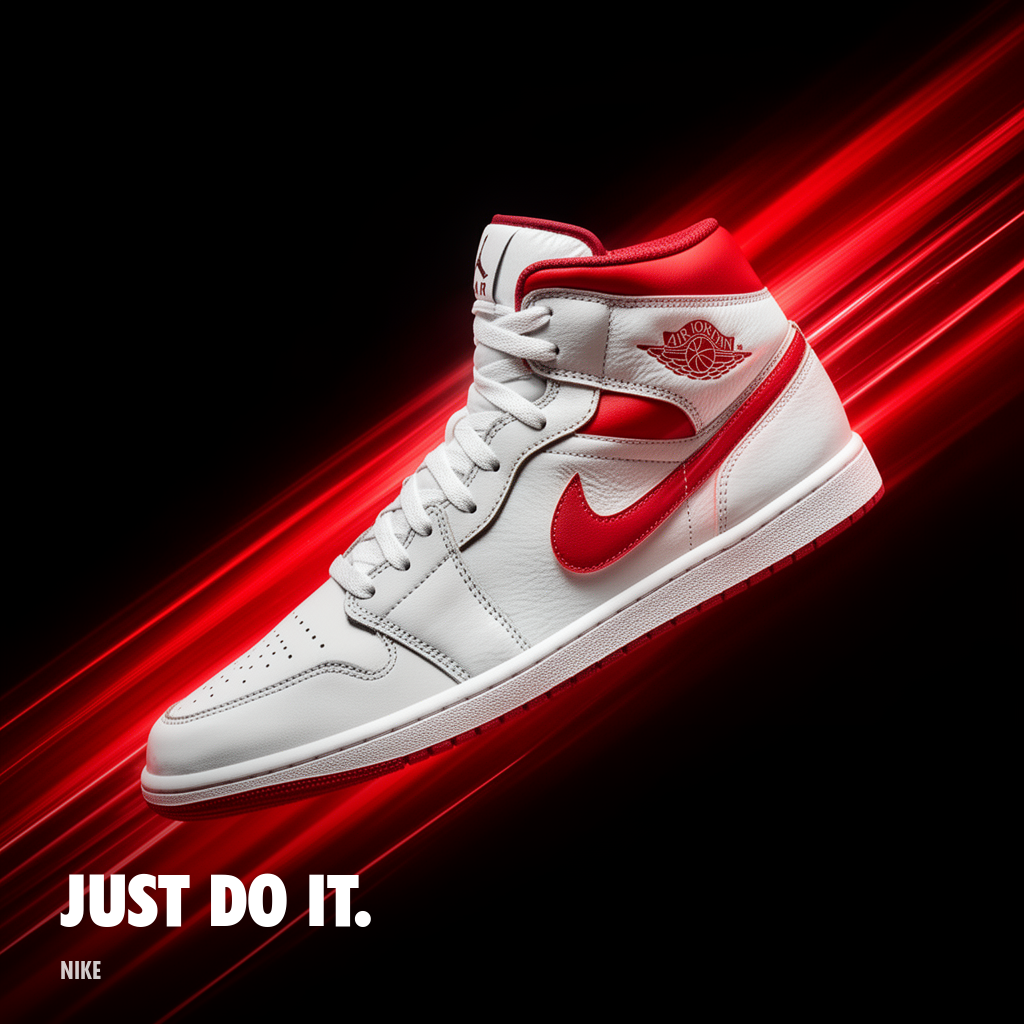
Nike mens 5 product ad

Nike womens 1 lifestyle
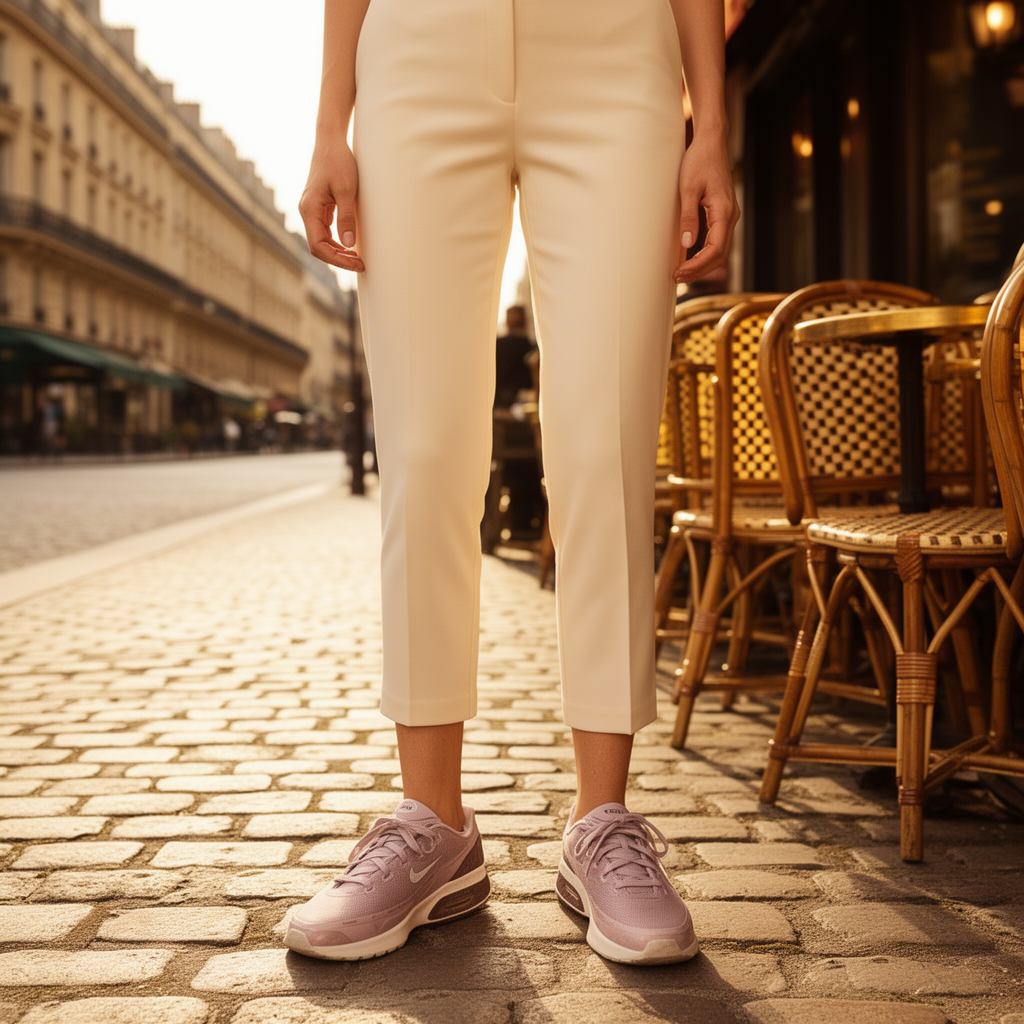
Nike womens 1 on model
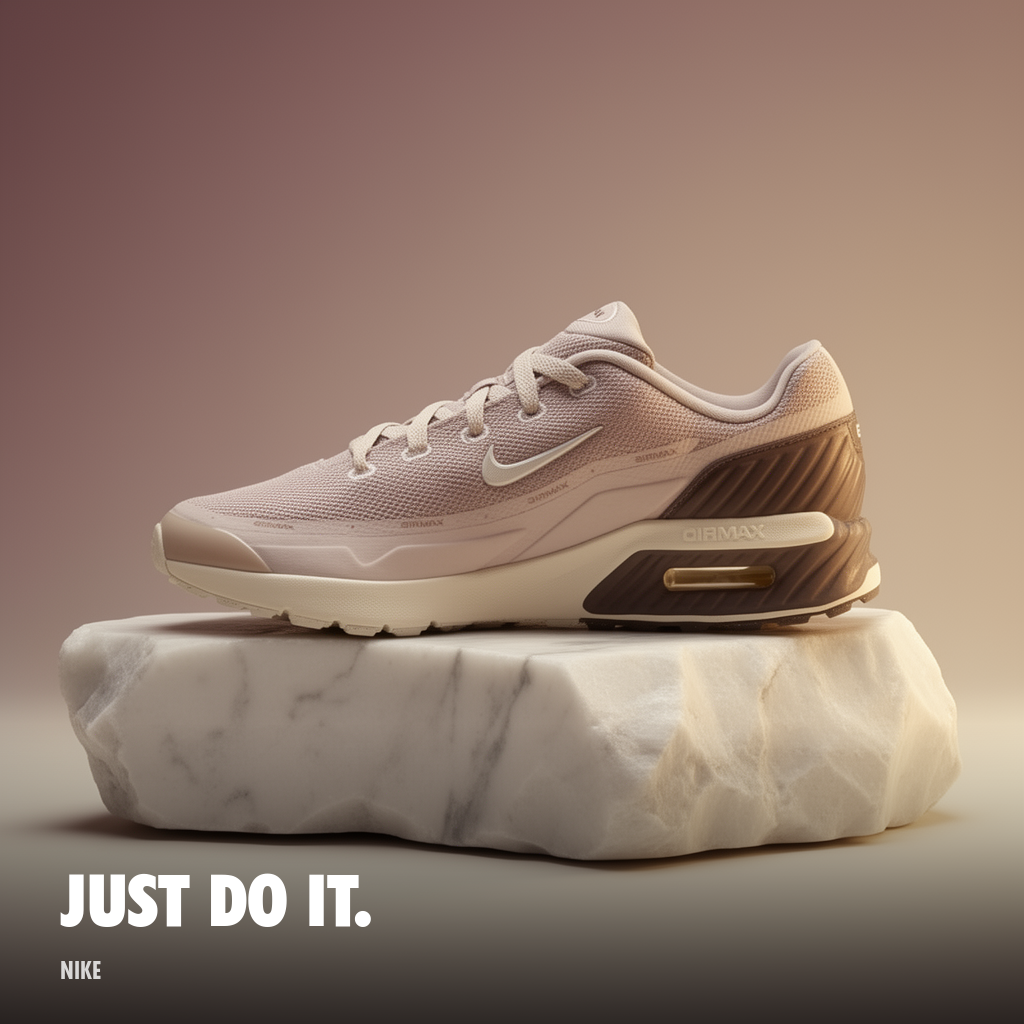
Nike womens 1 product ad
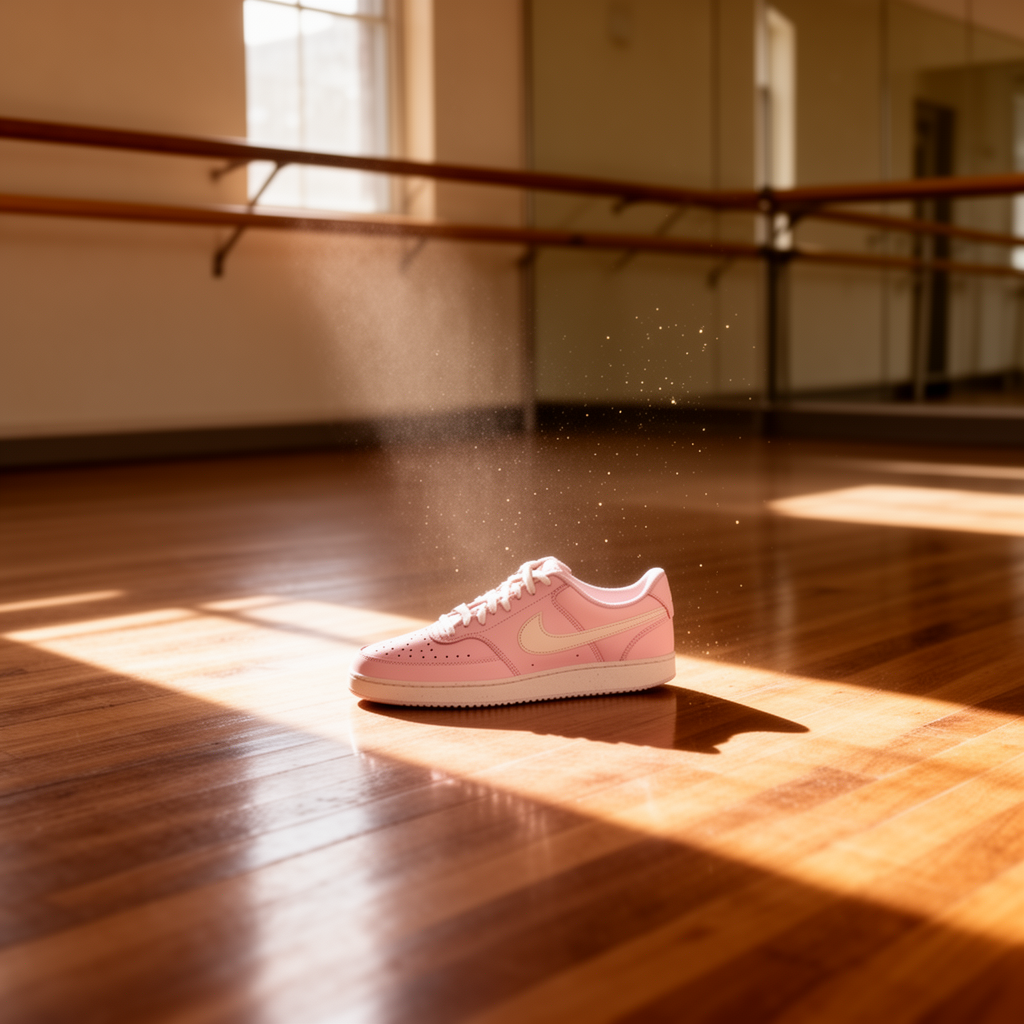
Nike womens 2 lifestyle
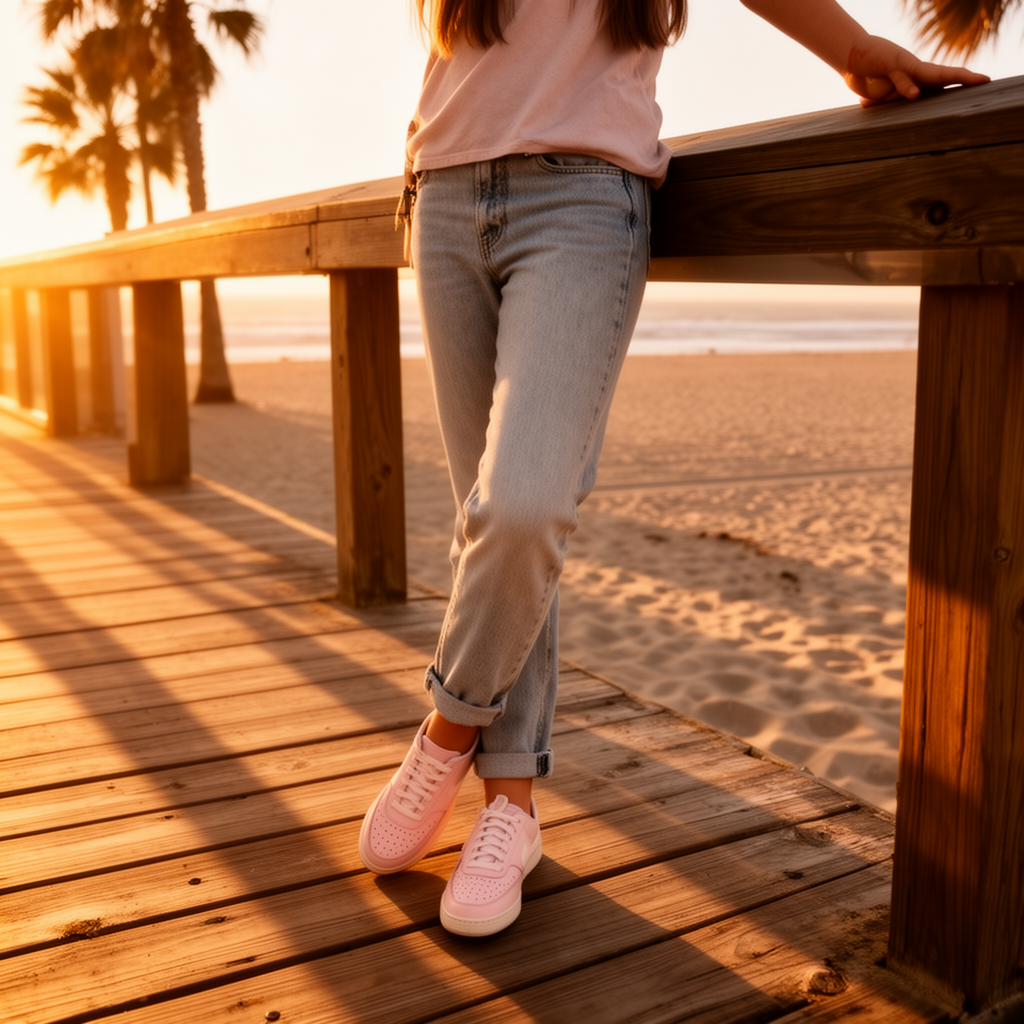
Nike womens 2 on model
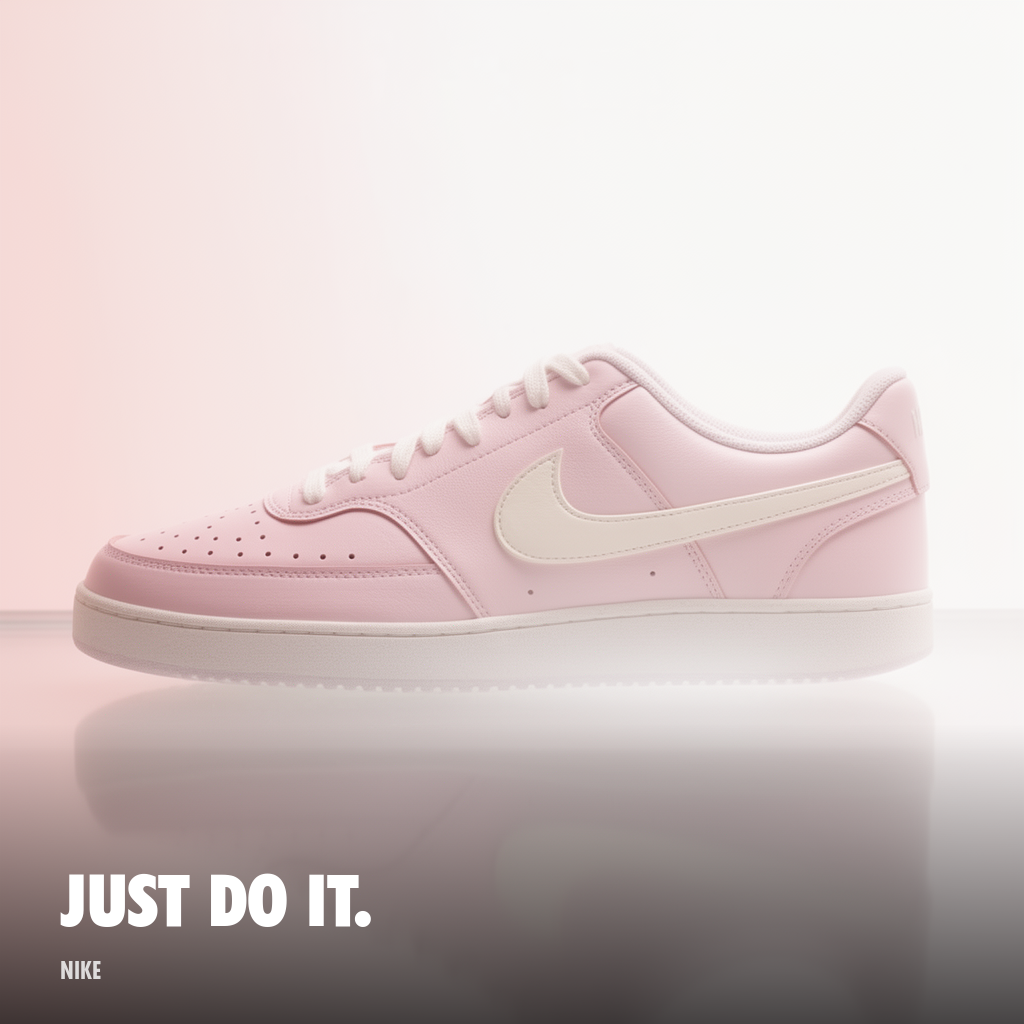
Nike womens 2 product ad
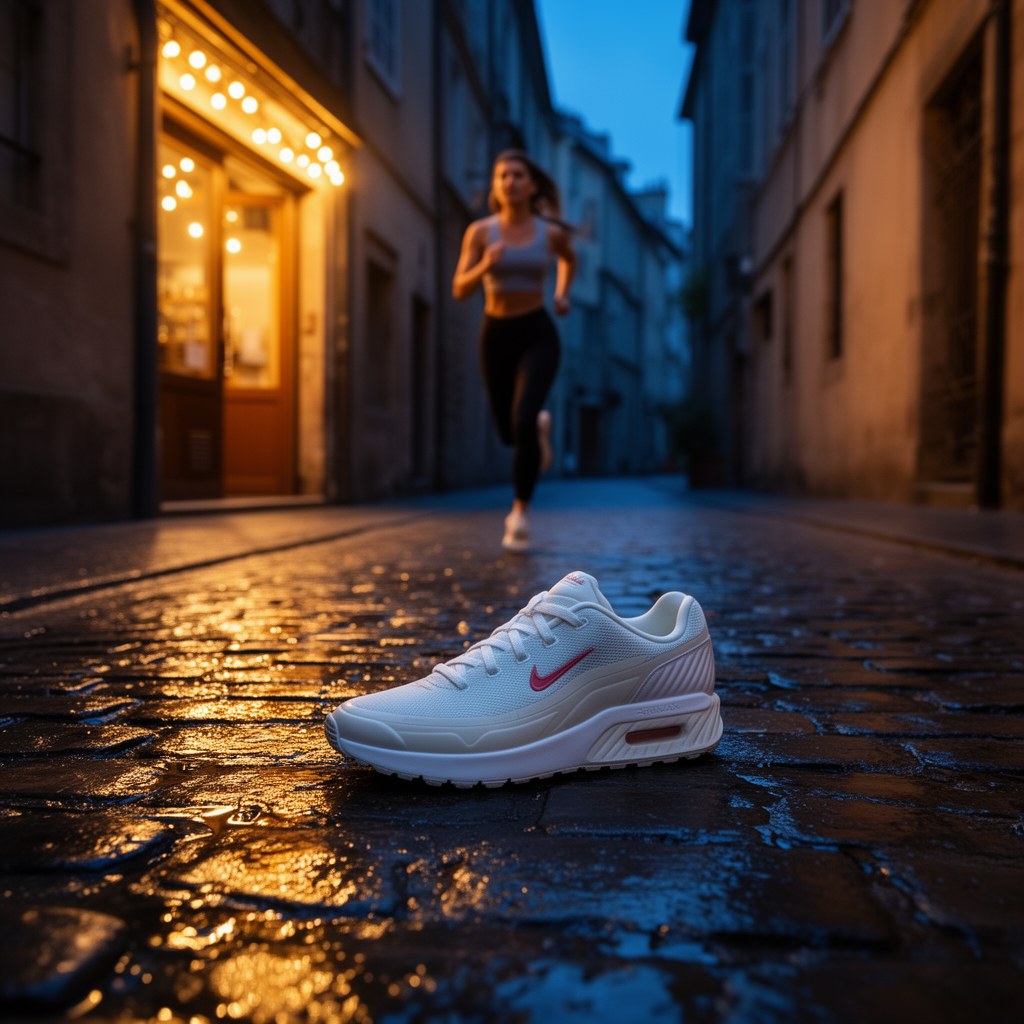
Nike womens 3 lifestyle
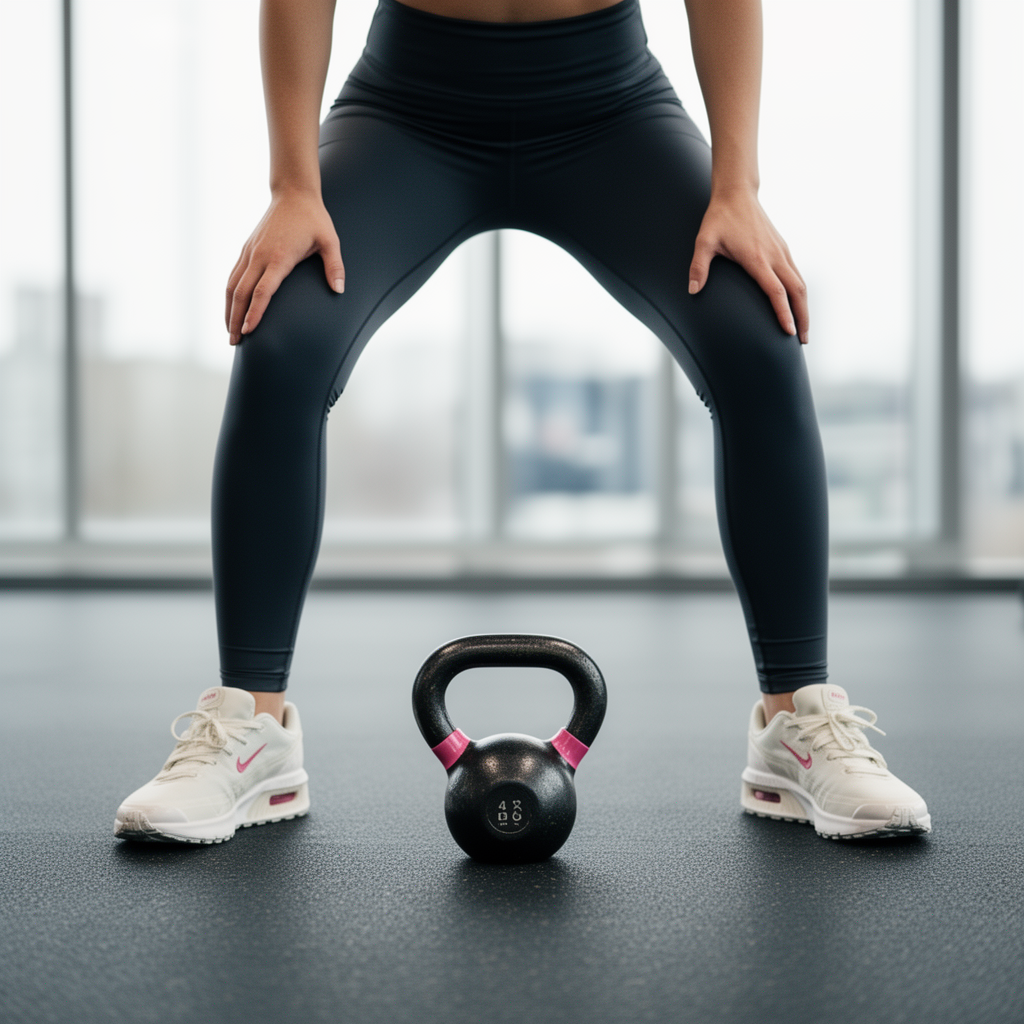
Nike womens 3 on model
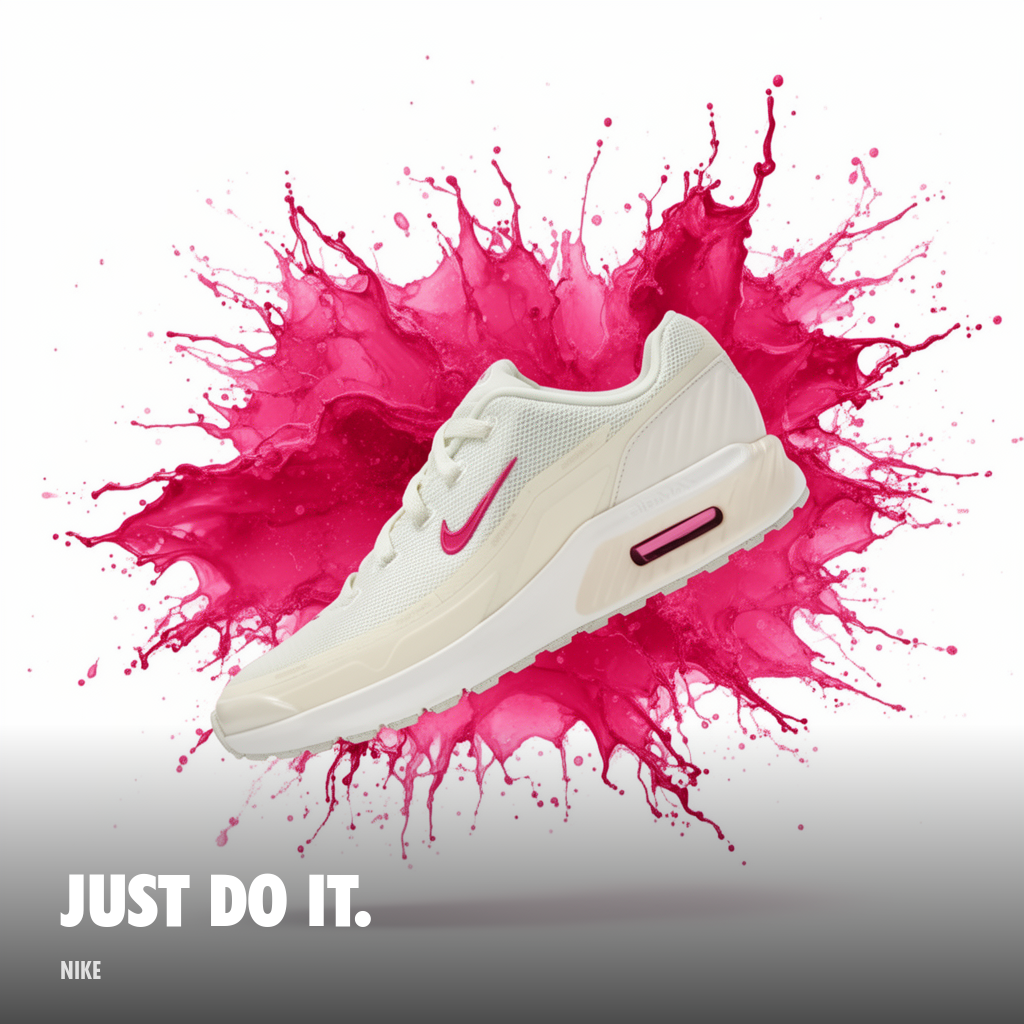
Nike womens 3 product ad
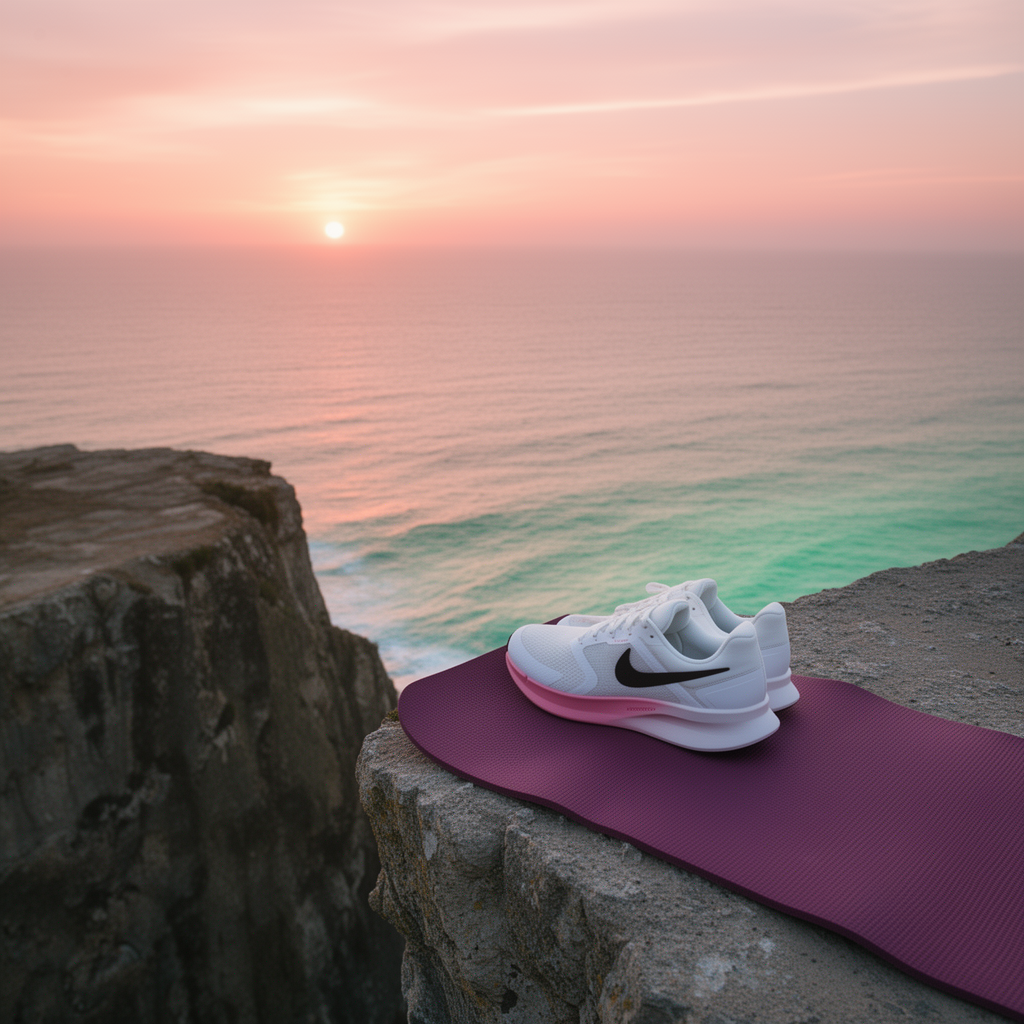
Nike womens 4 lifestyle
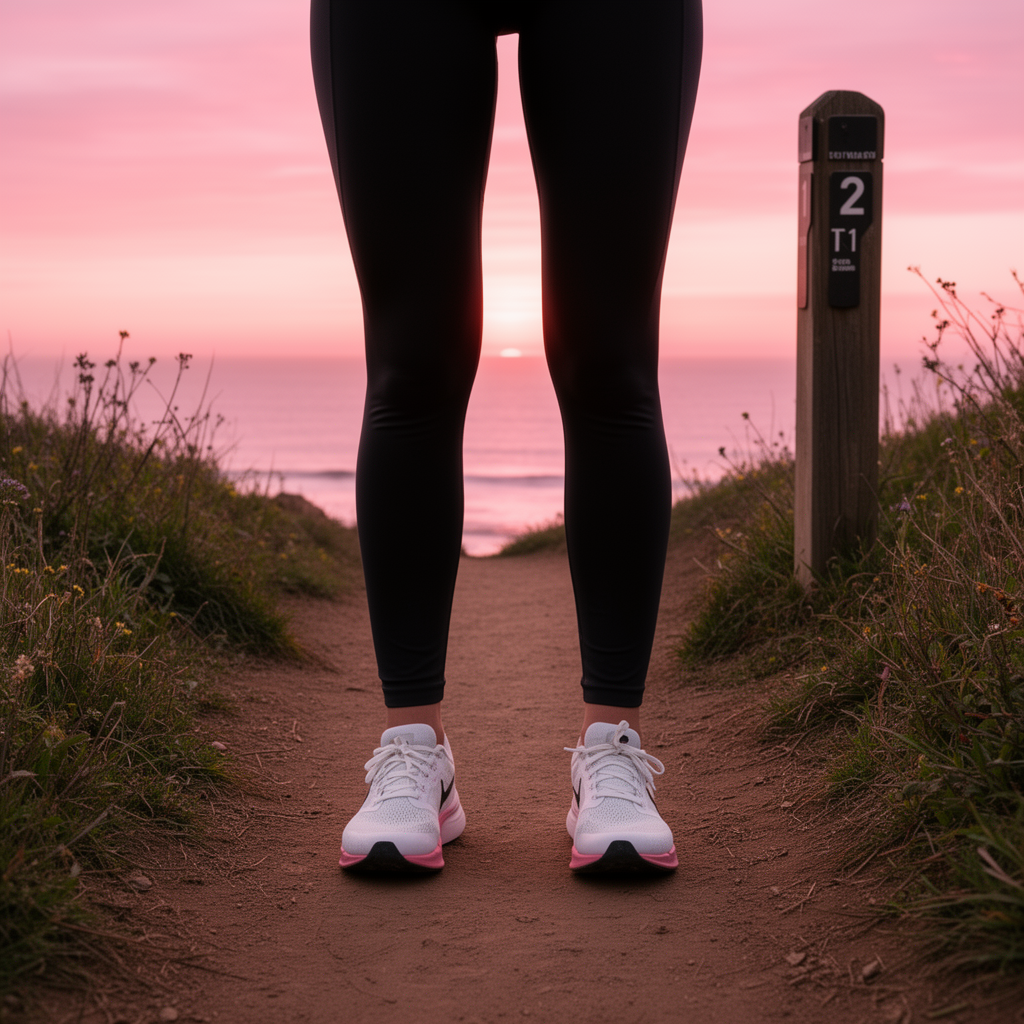
Nike womens 4 on model
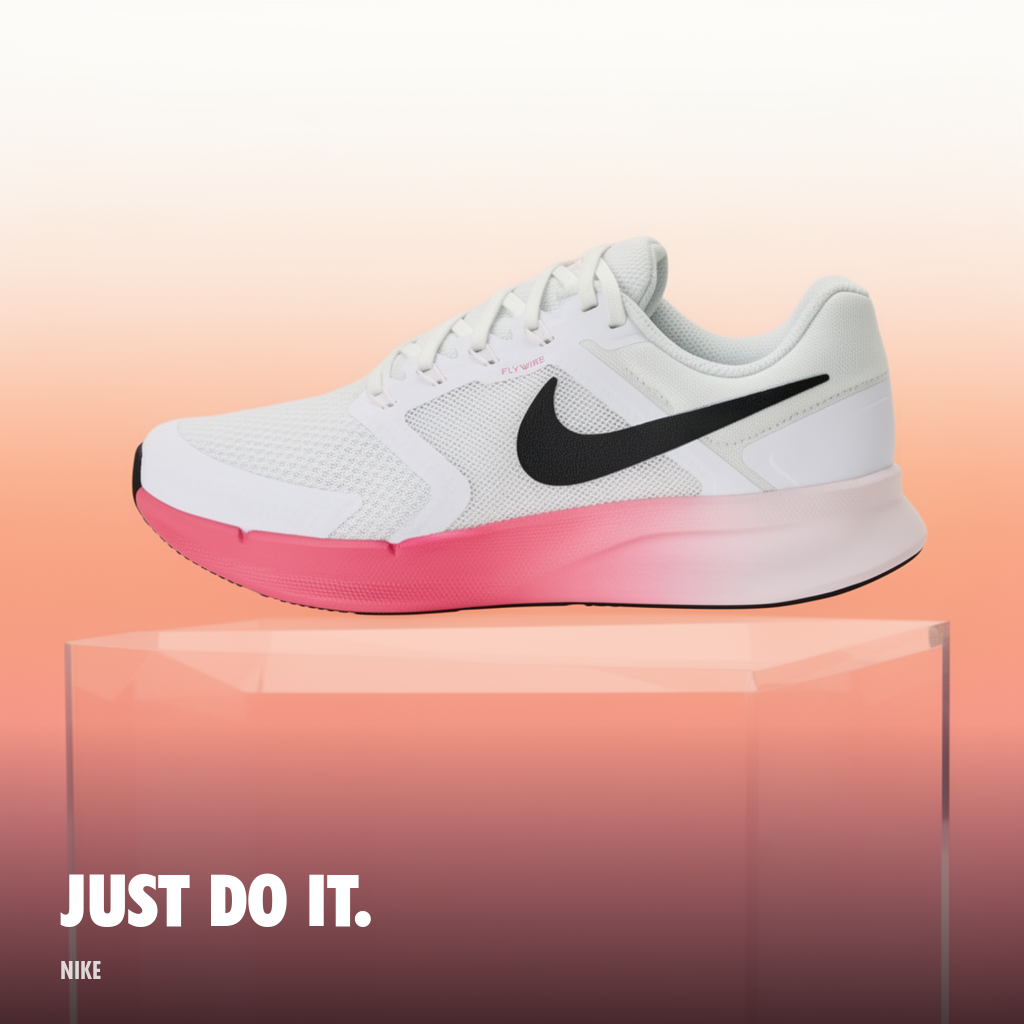
Nike womens 4 product ad
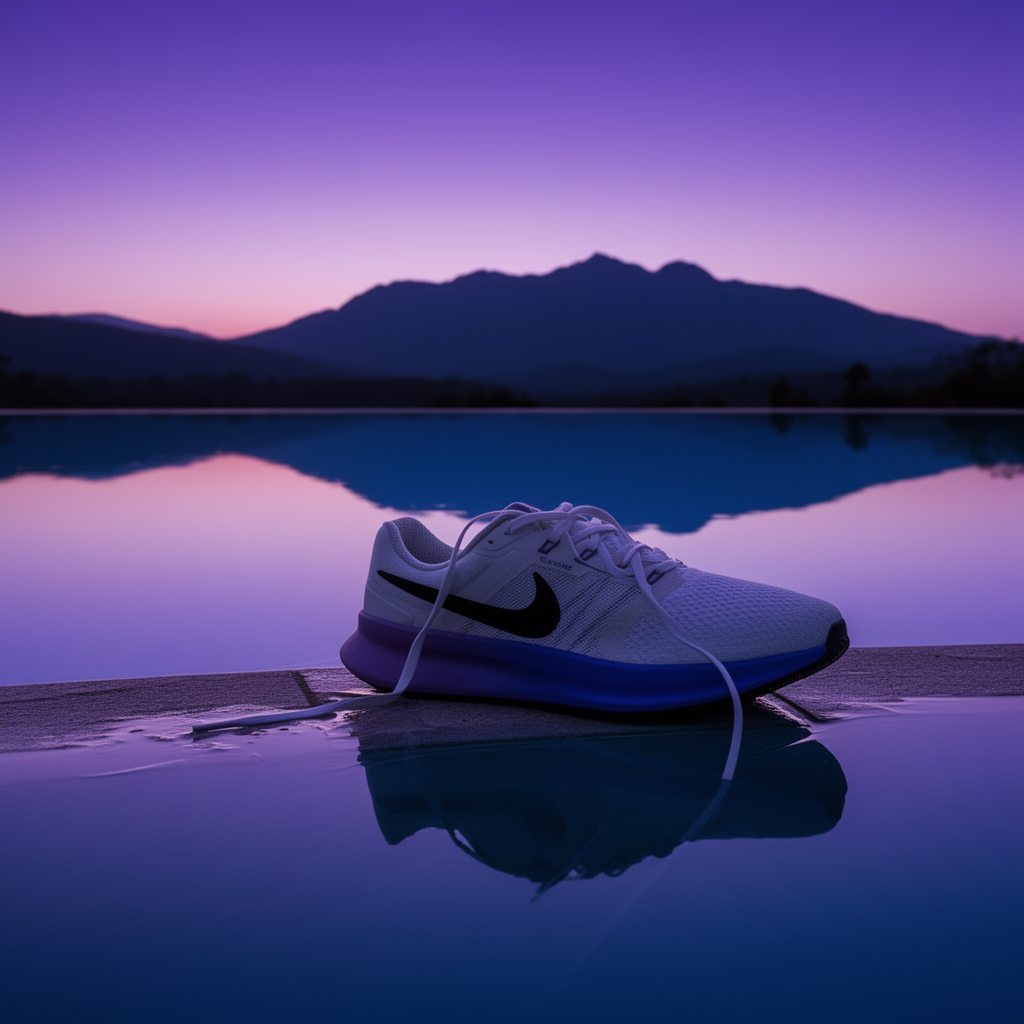
Nike womens 5 lifestyle
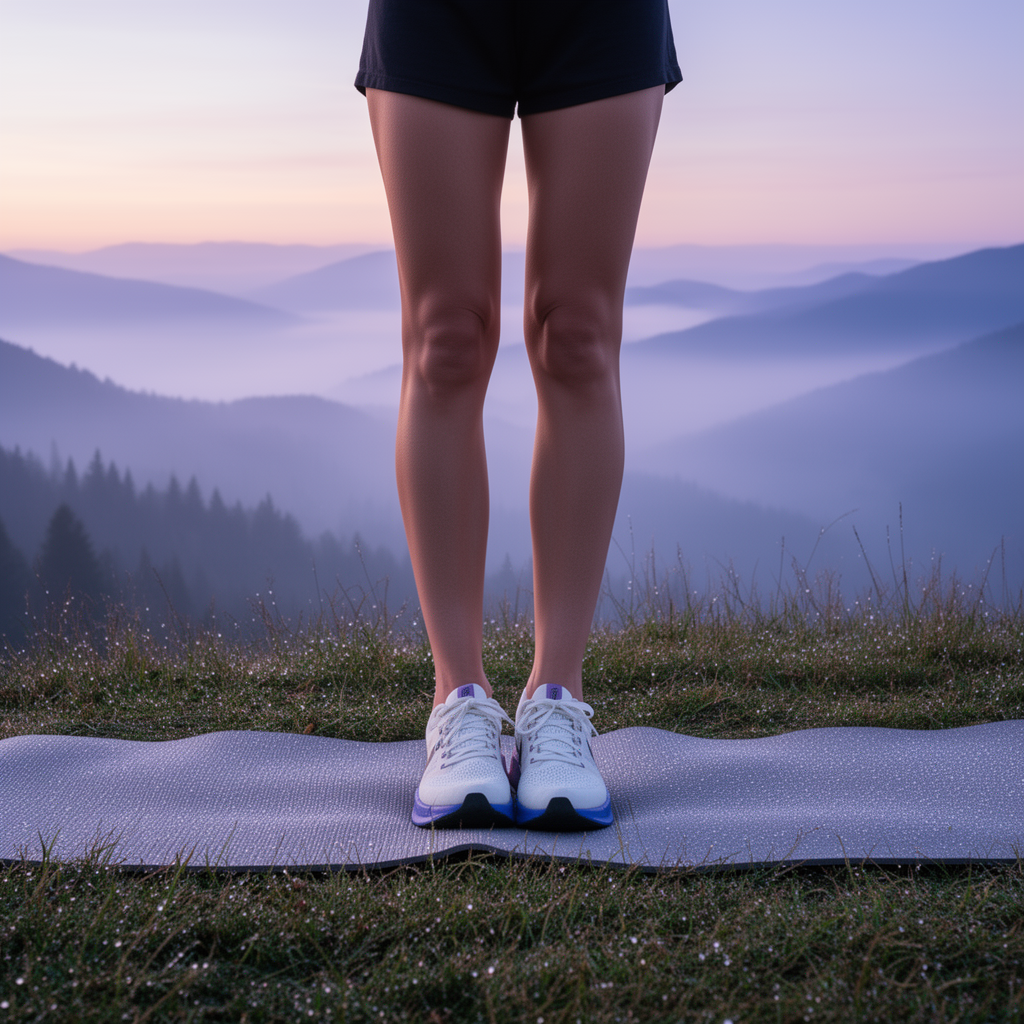
Nike womens 5 on model
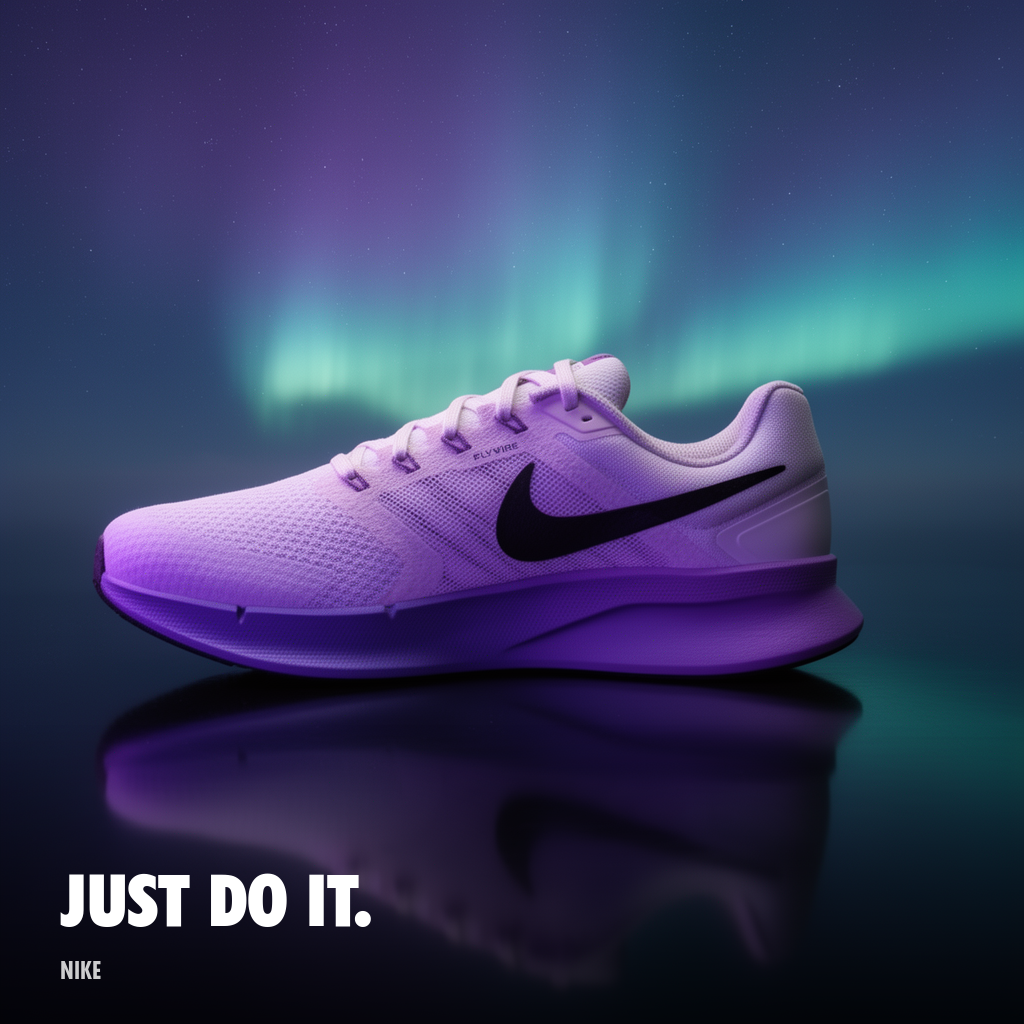
Nike womens 5 product ad
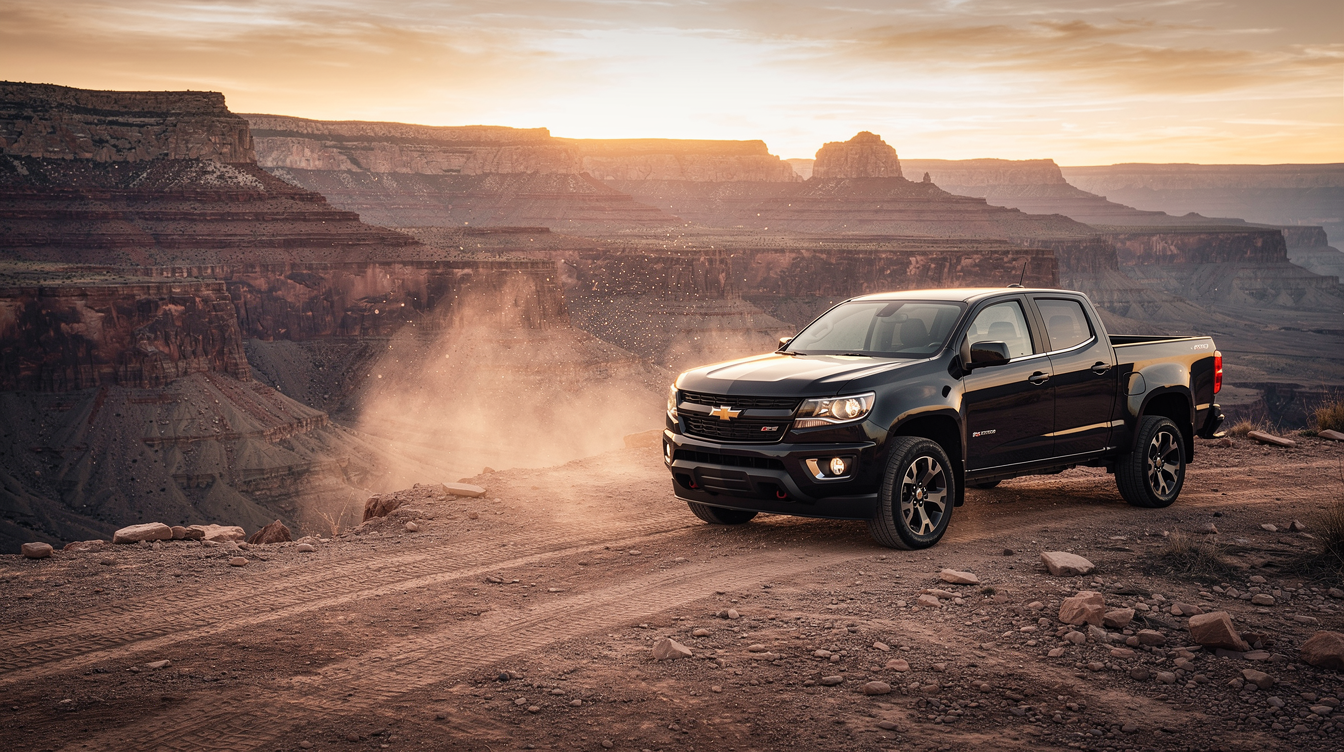
GM Chevrolet Colorado desert canyon
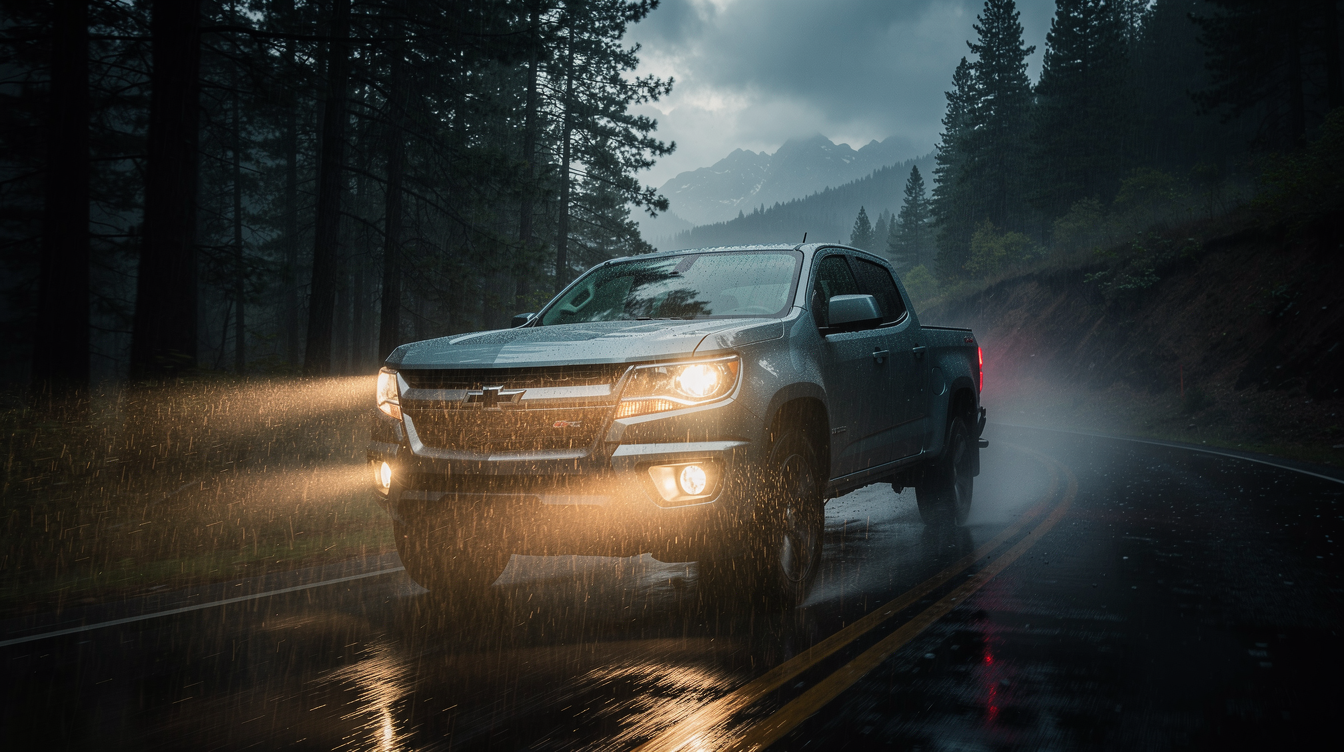
GM Chevrolet Colorado mountain night
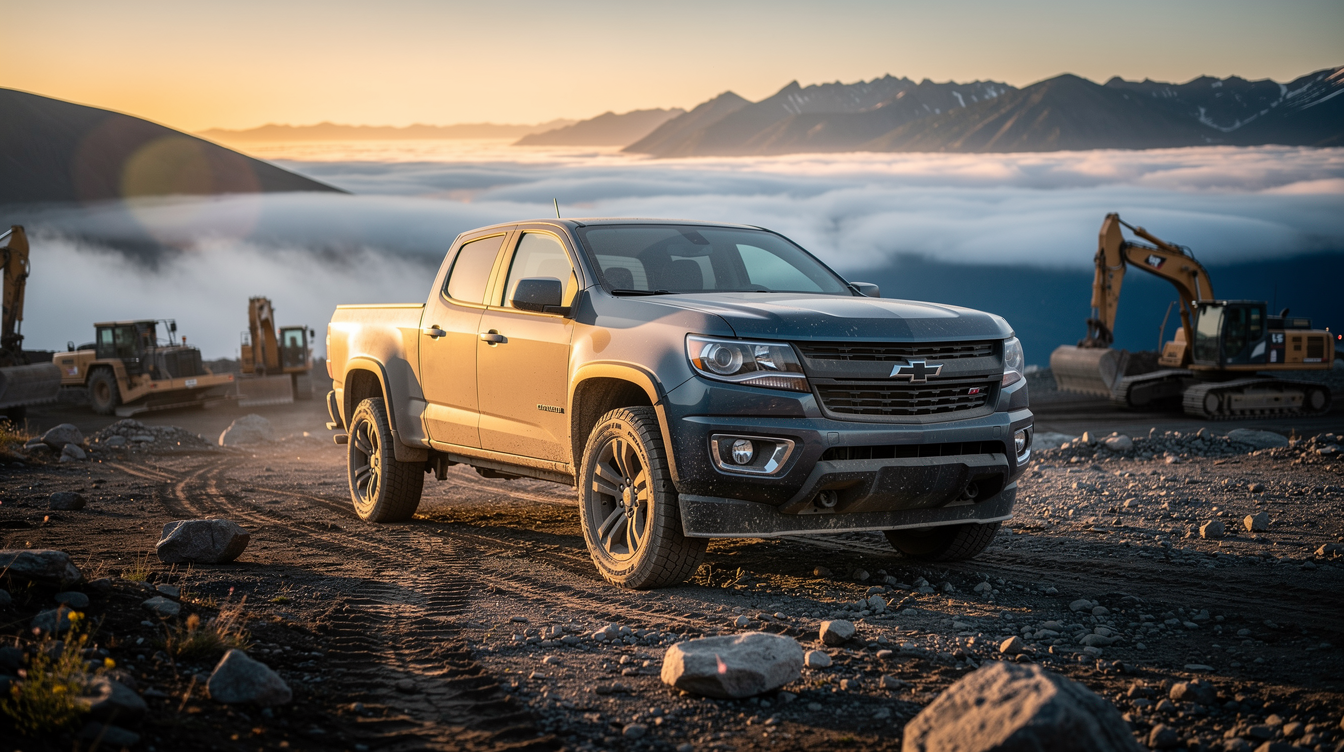
GM Chevrolet Colorado job site sunrise
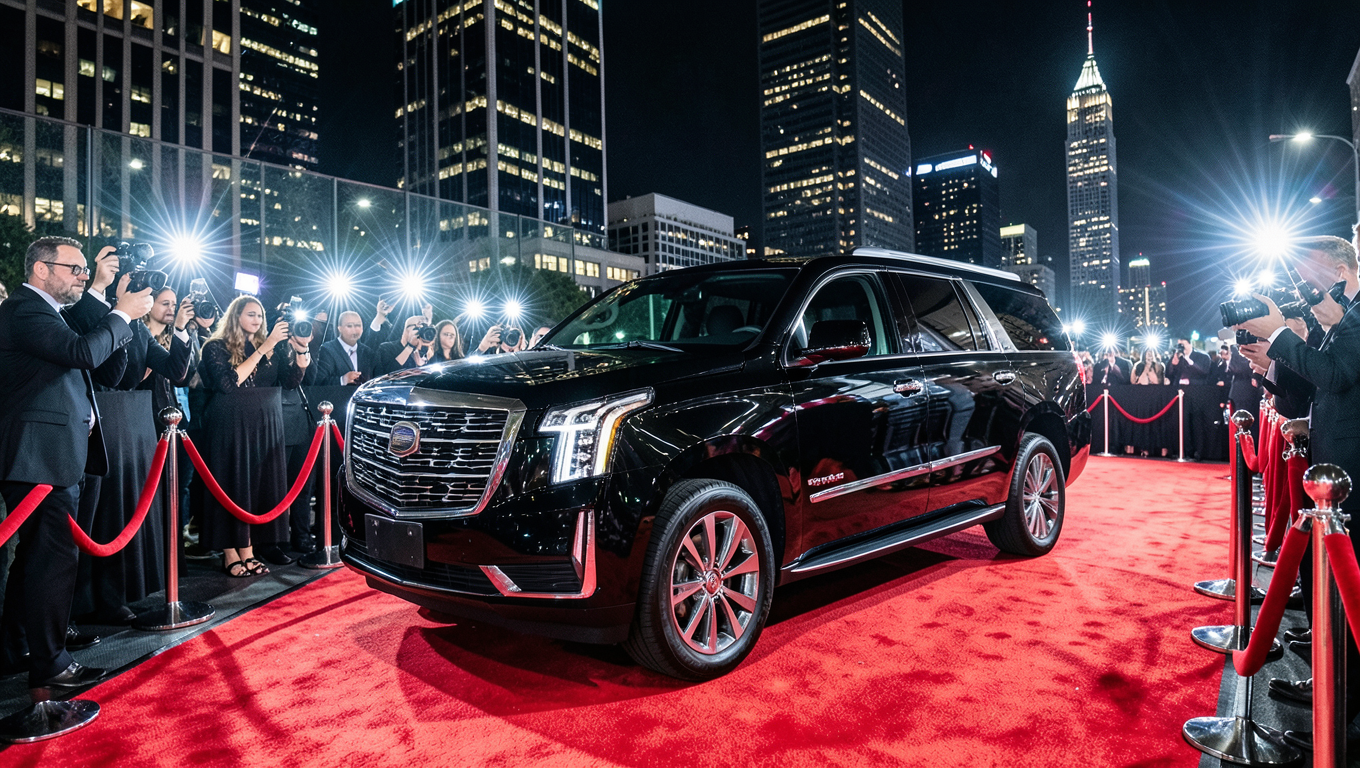
GM Cadillac Escalade red carpet
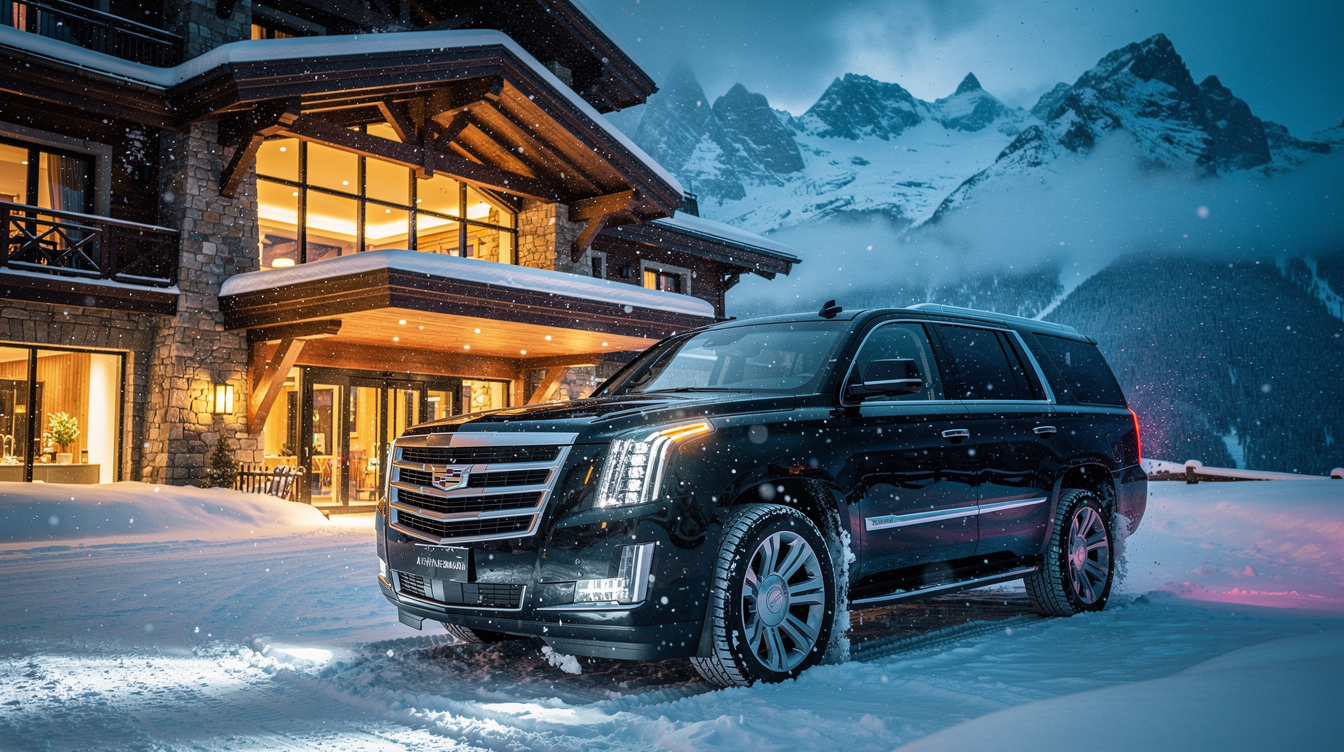
GM Cadillac Escalade snow resort
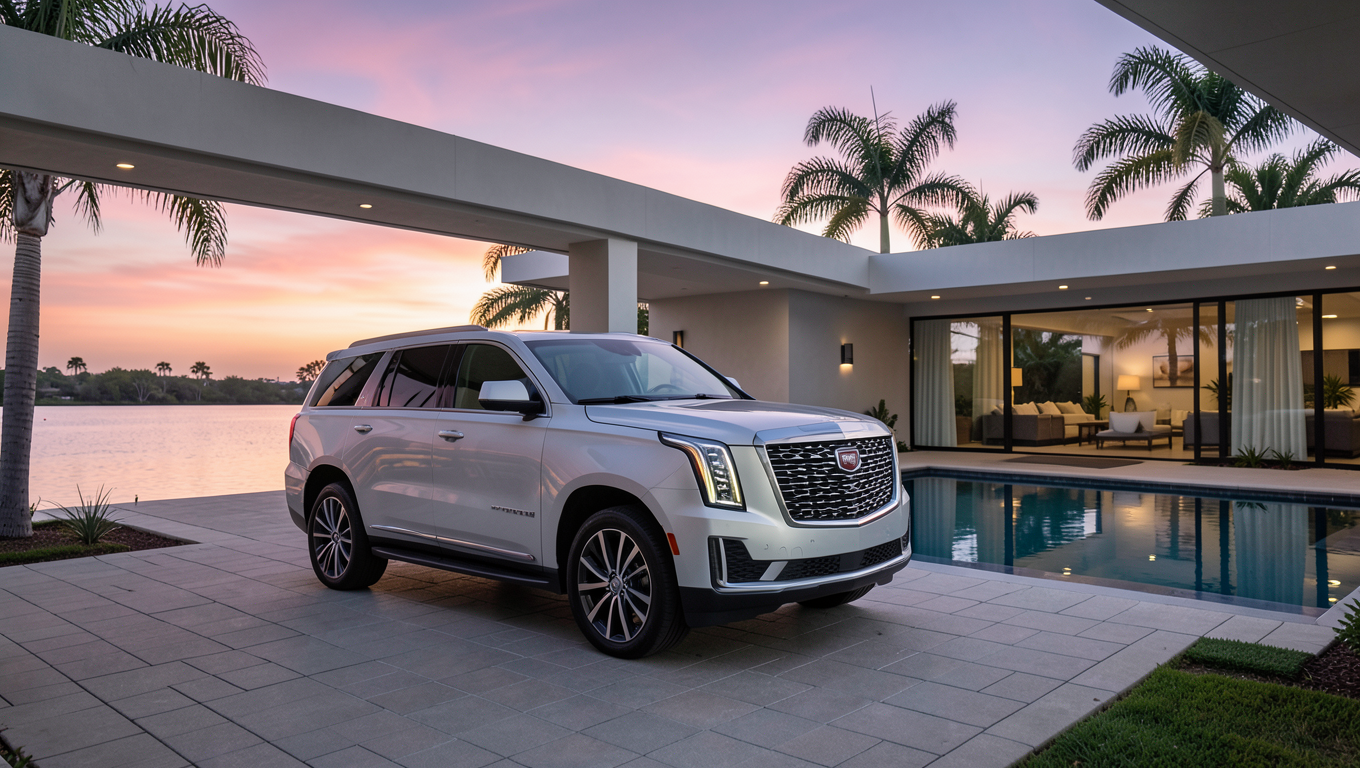
GM Cadillac Escalade mansion
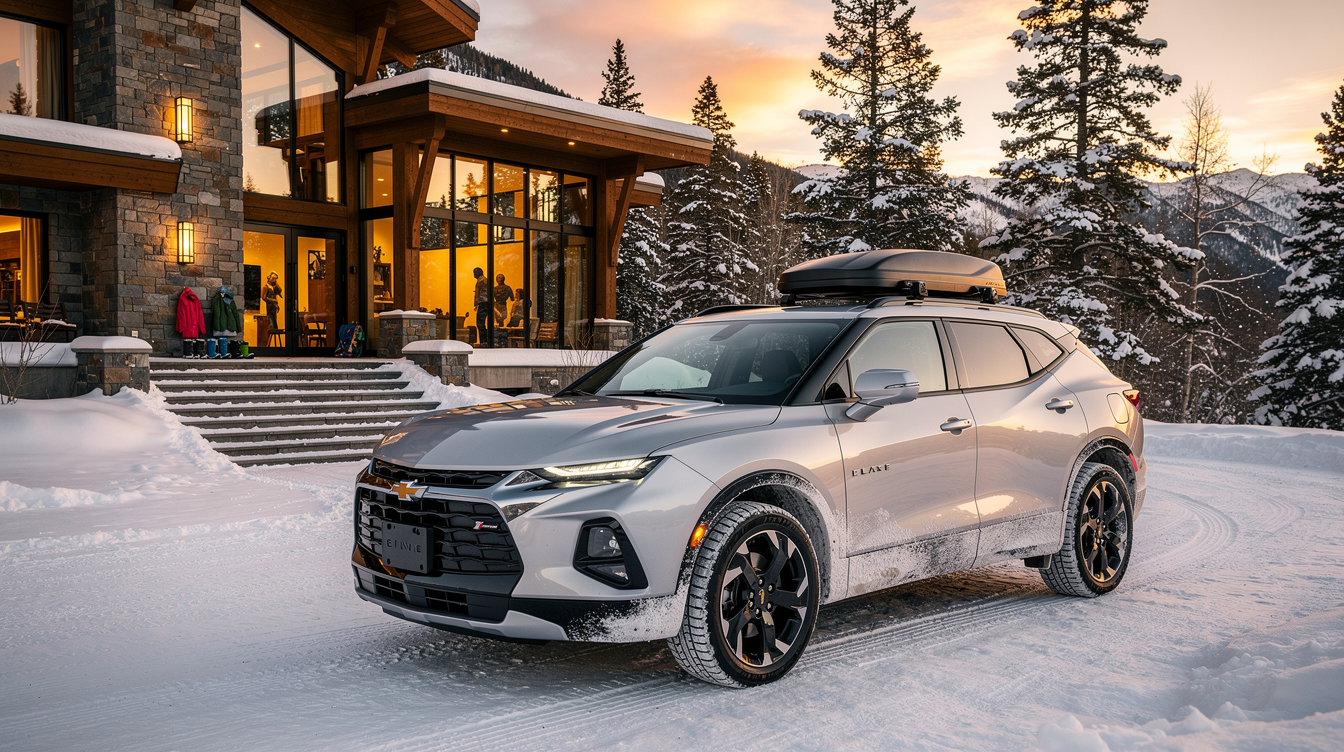
GM Chevrolet Blazer mountain lodge
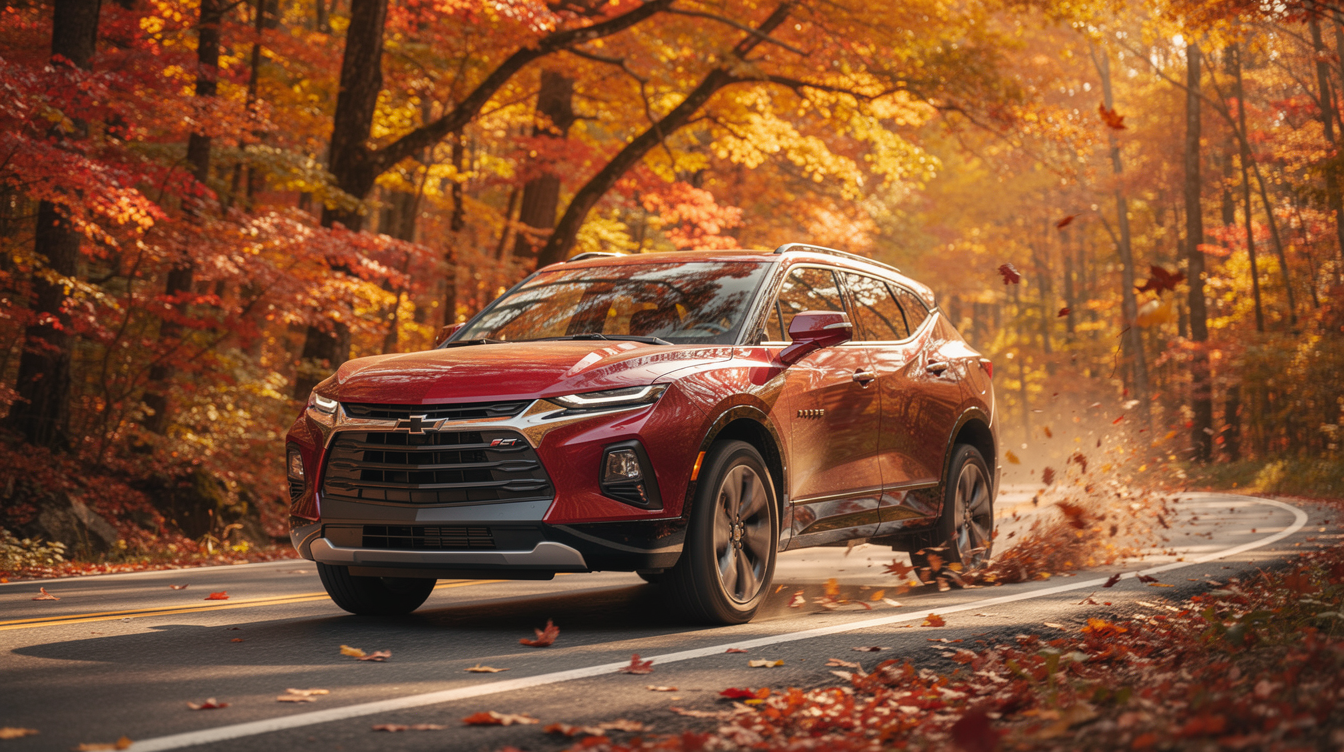
GM Chevrolet Blazer autumn road
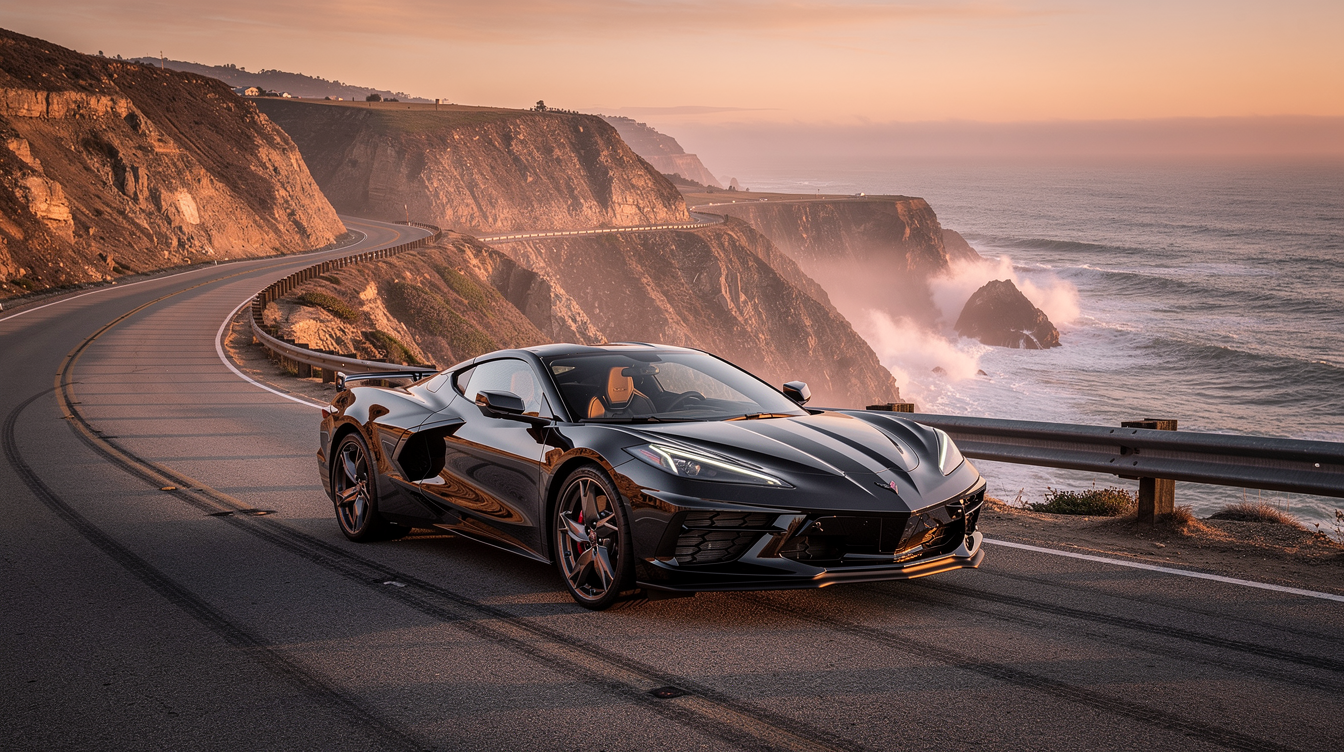
GM Chevrolet Corvette coastal sunset
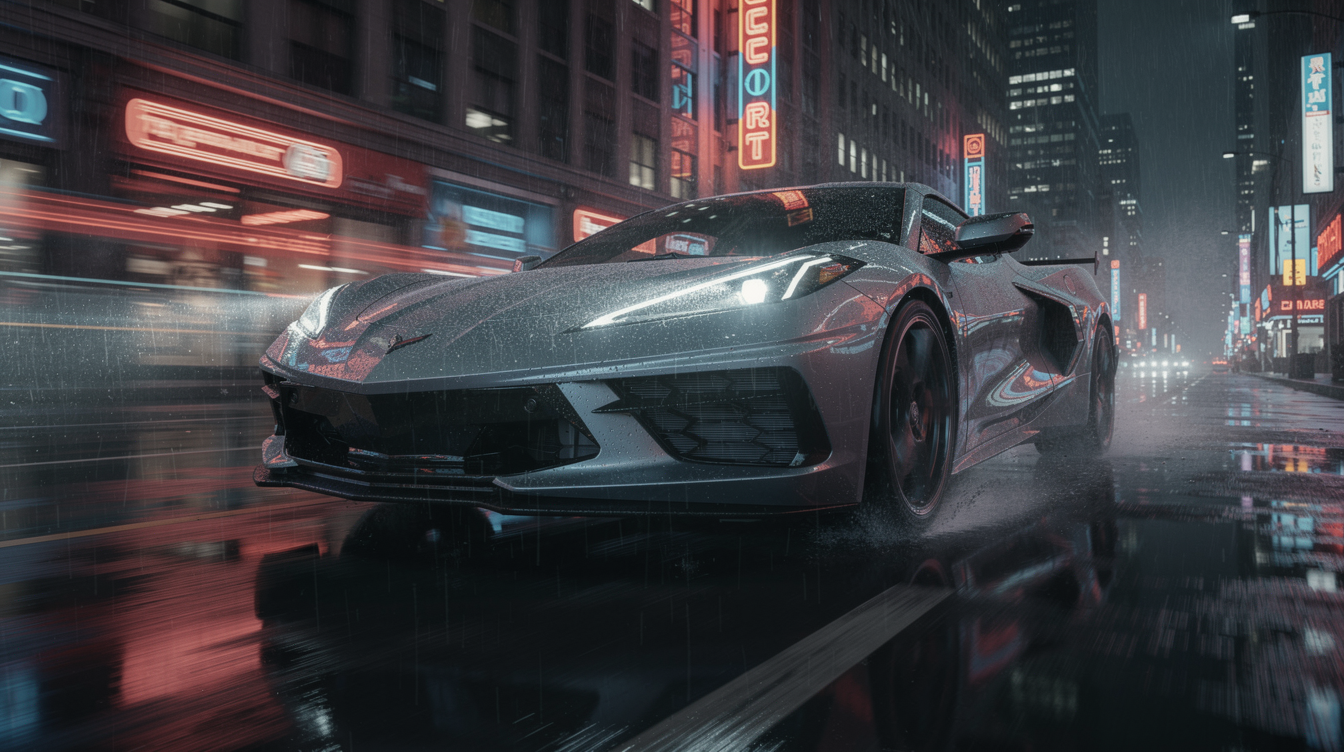
GM Chevrolet Corvette neon city
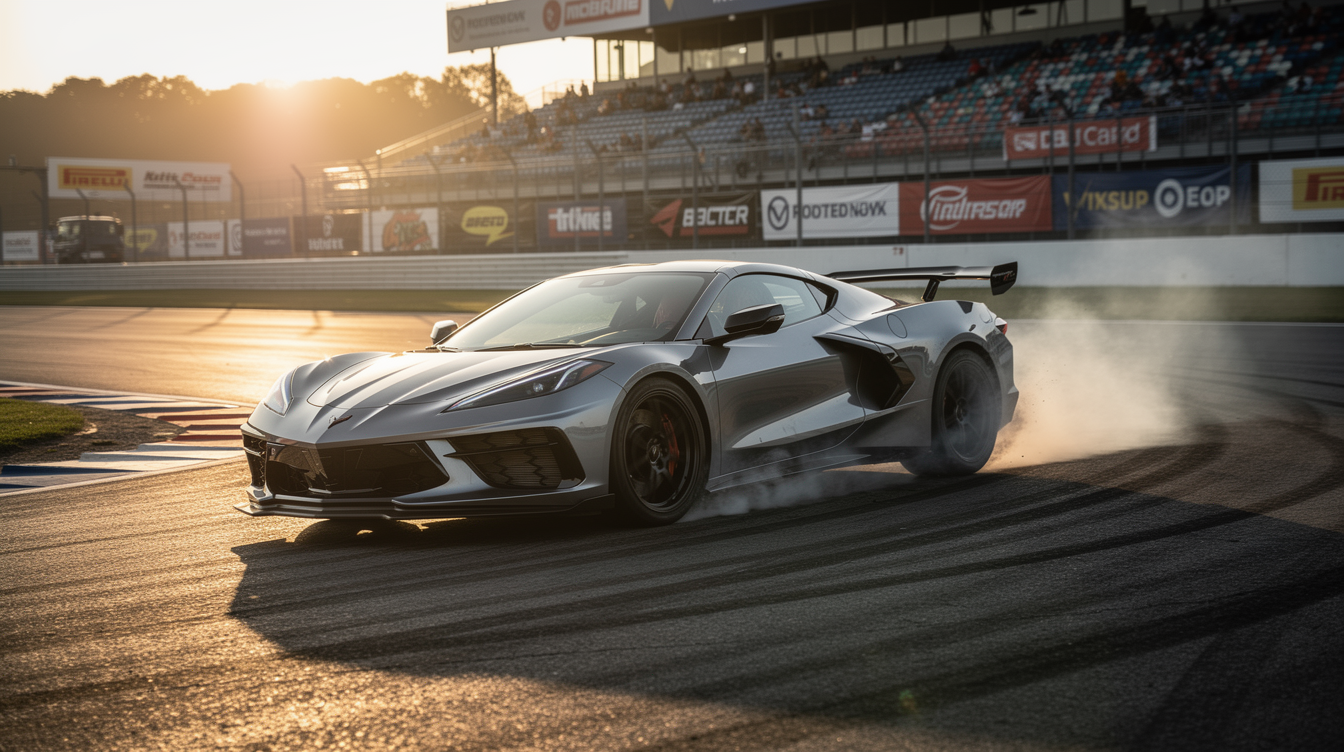
GM Chevrolet Corvette racetrack
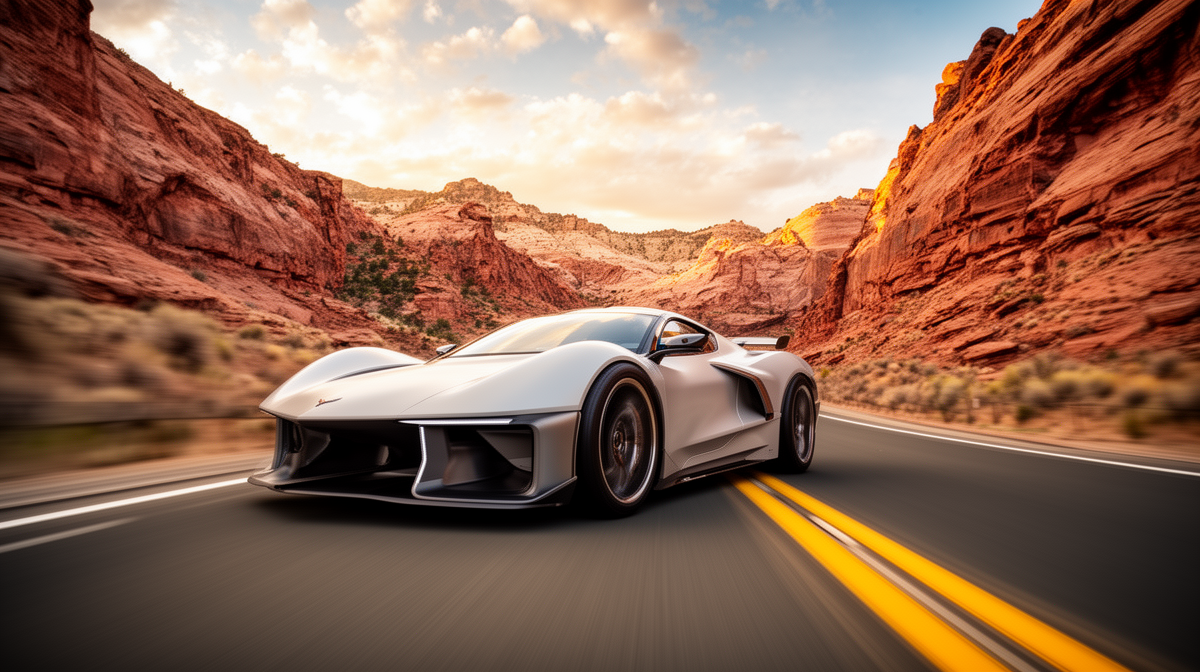
GM Chevrolet Corvette canyon
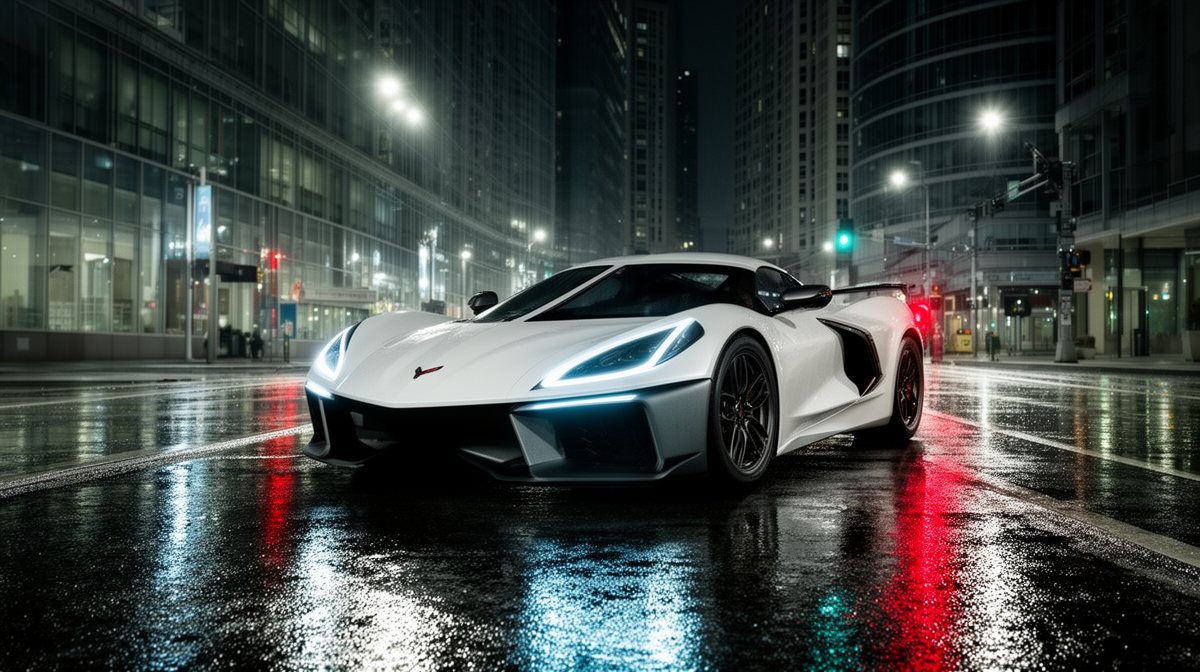
GM Chevrolet Corvette city rain
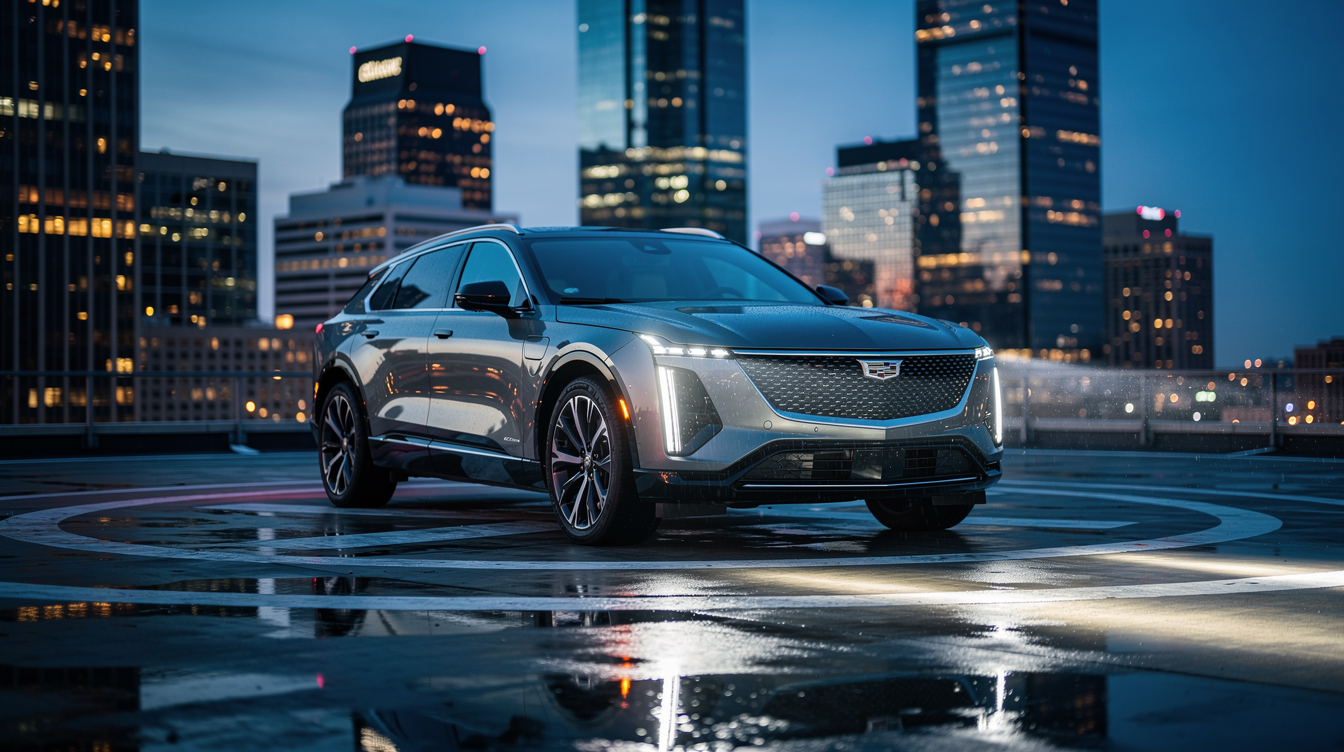
GM Cadillac Lyriq rooftop helipad
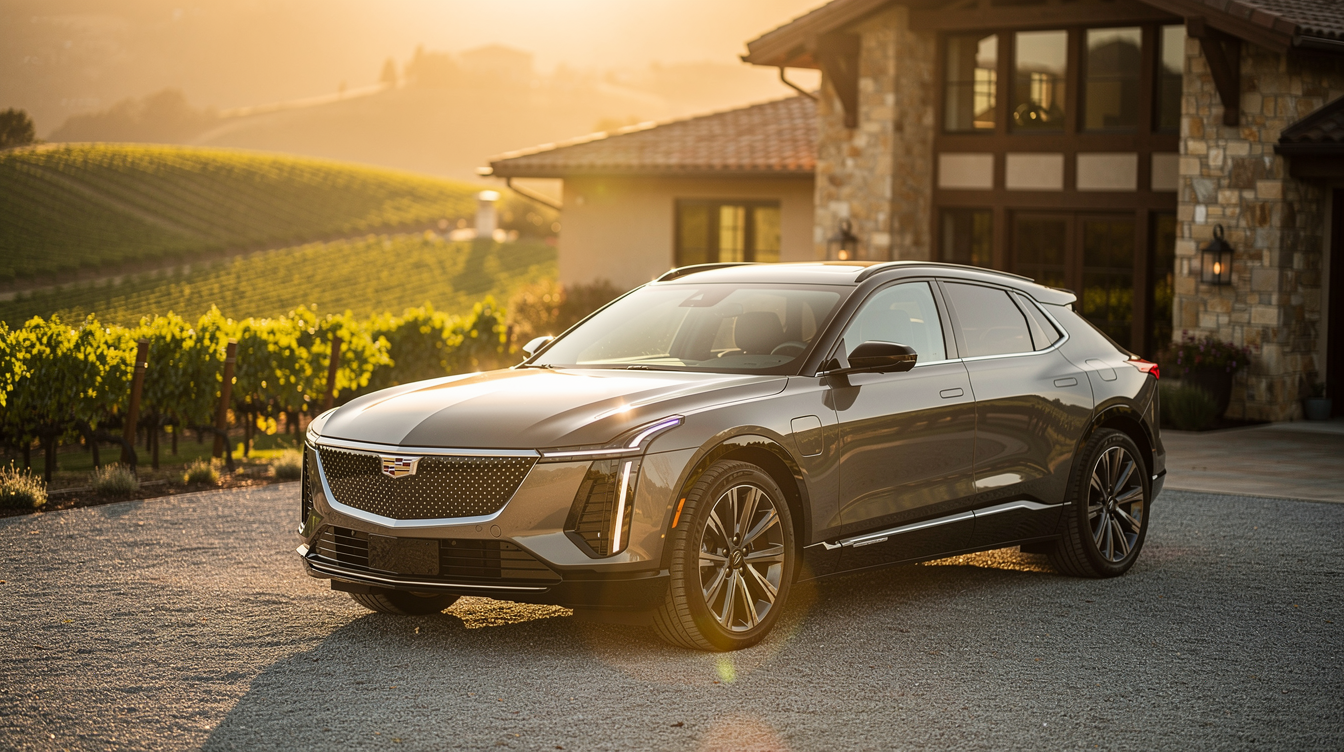
GM Cadillac Lyriq vineyard
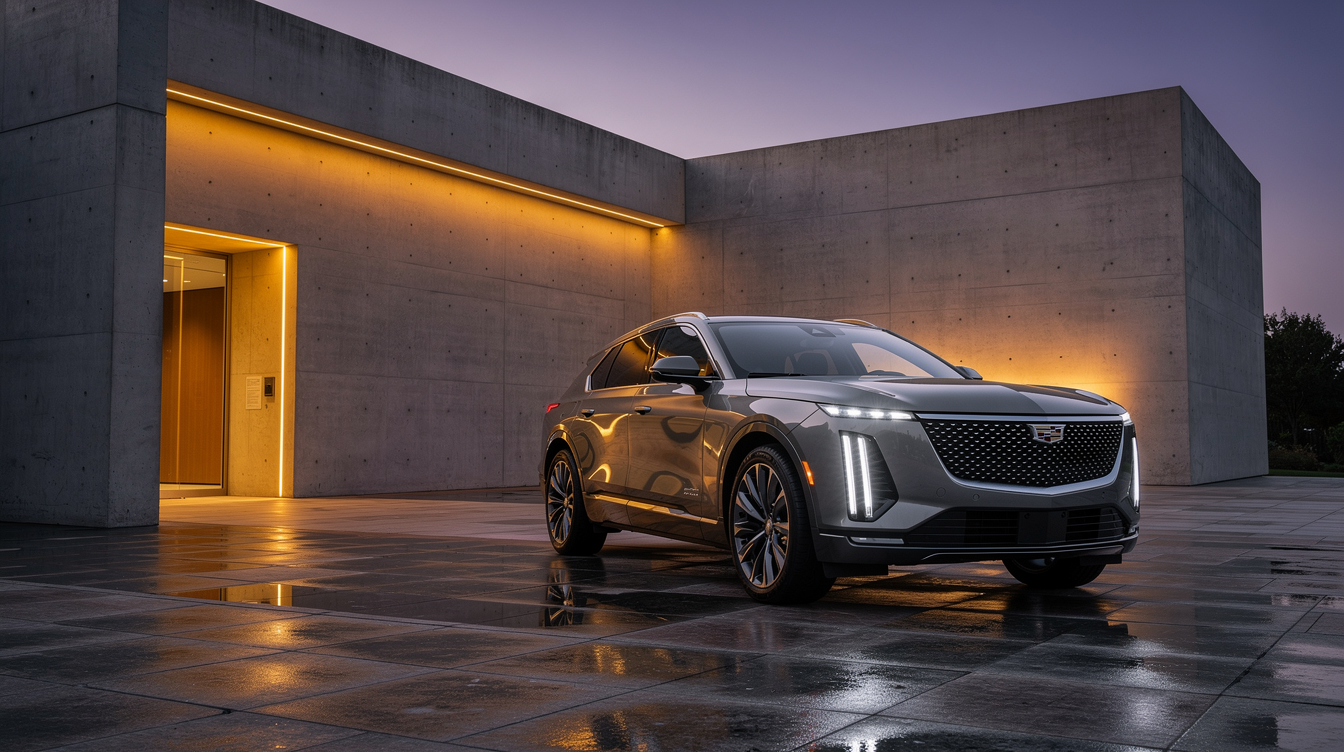
GM Cadillac Lyriq art gallery
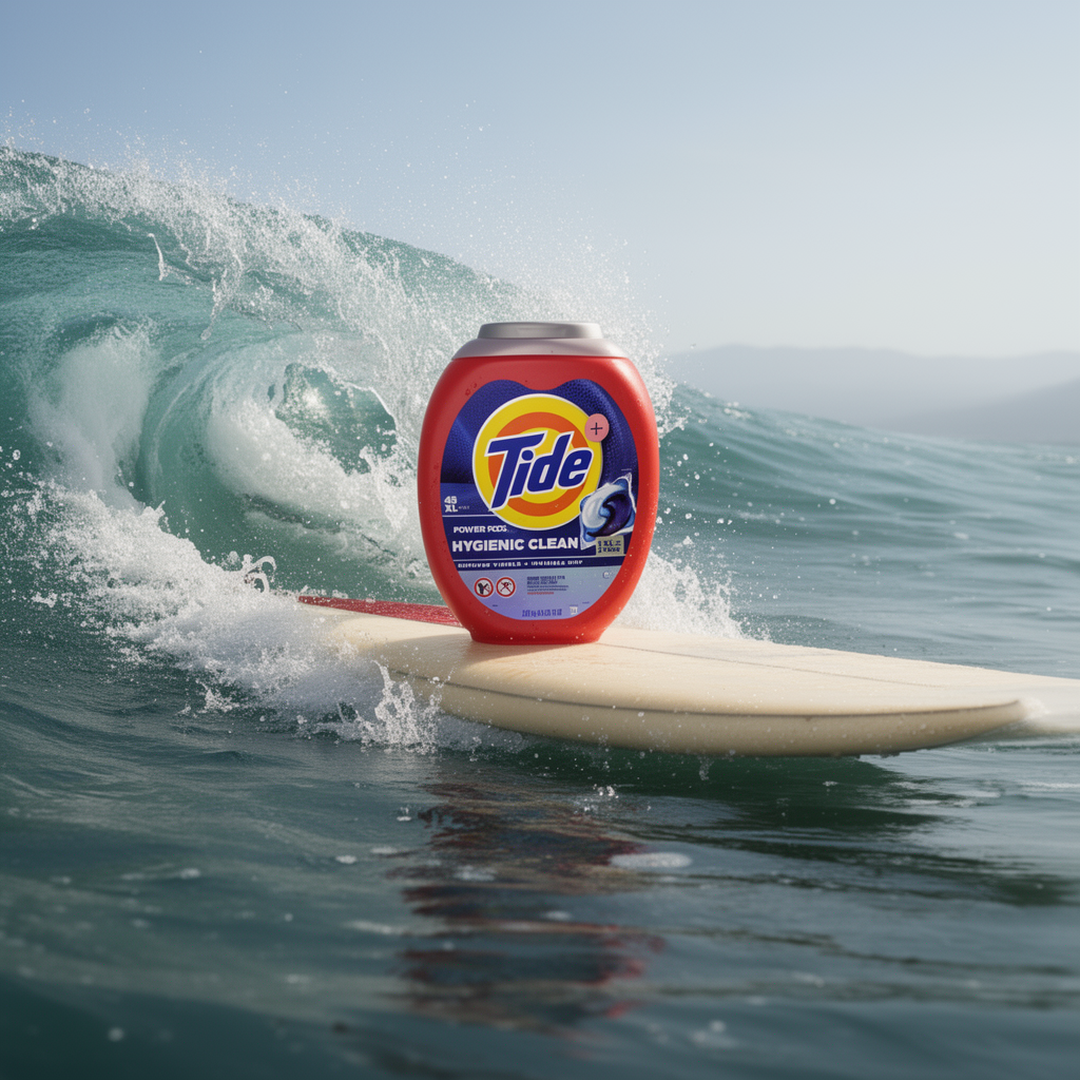
P&G Tide Surf
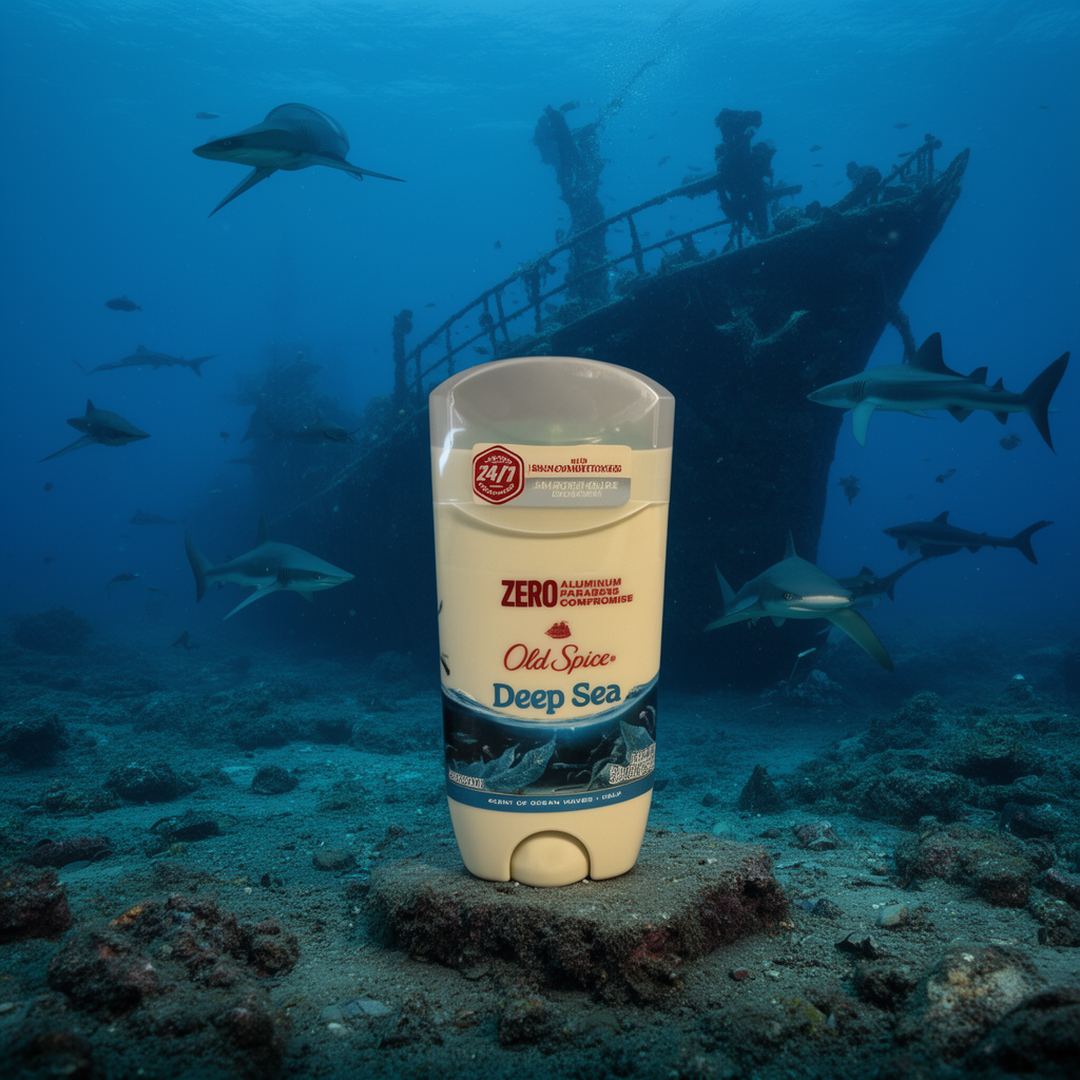
P&G Old Spice Deep Sea
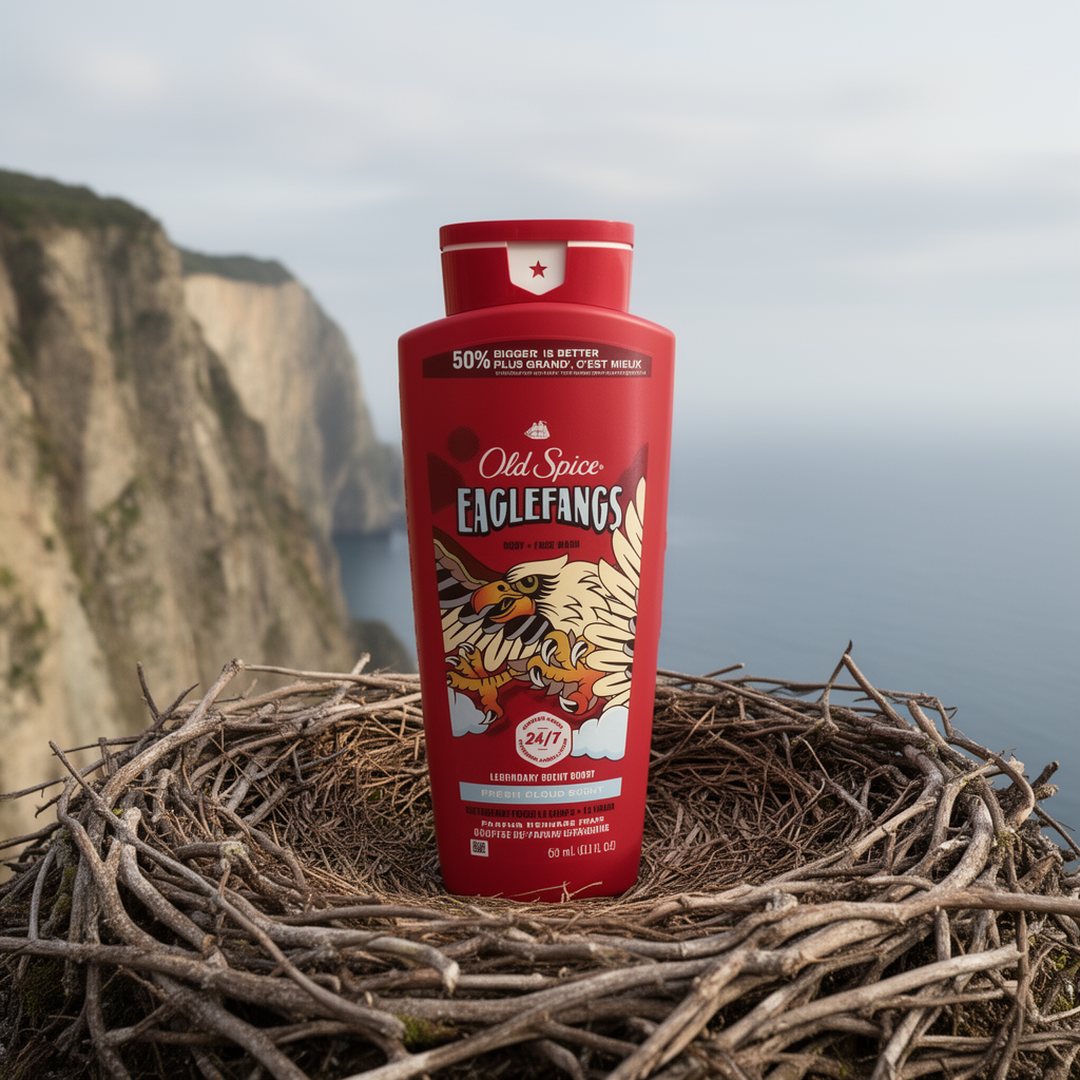
P&G Old Spice Eaglefangs
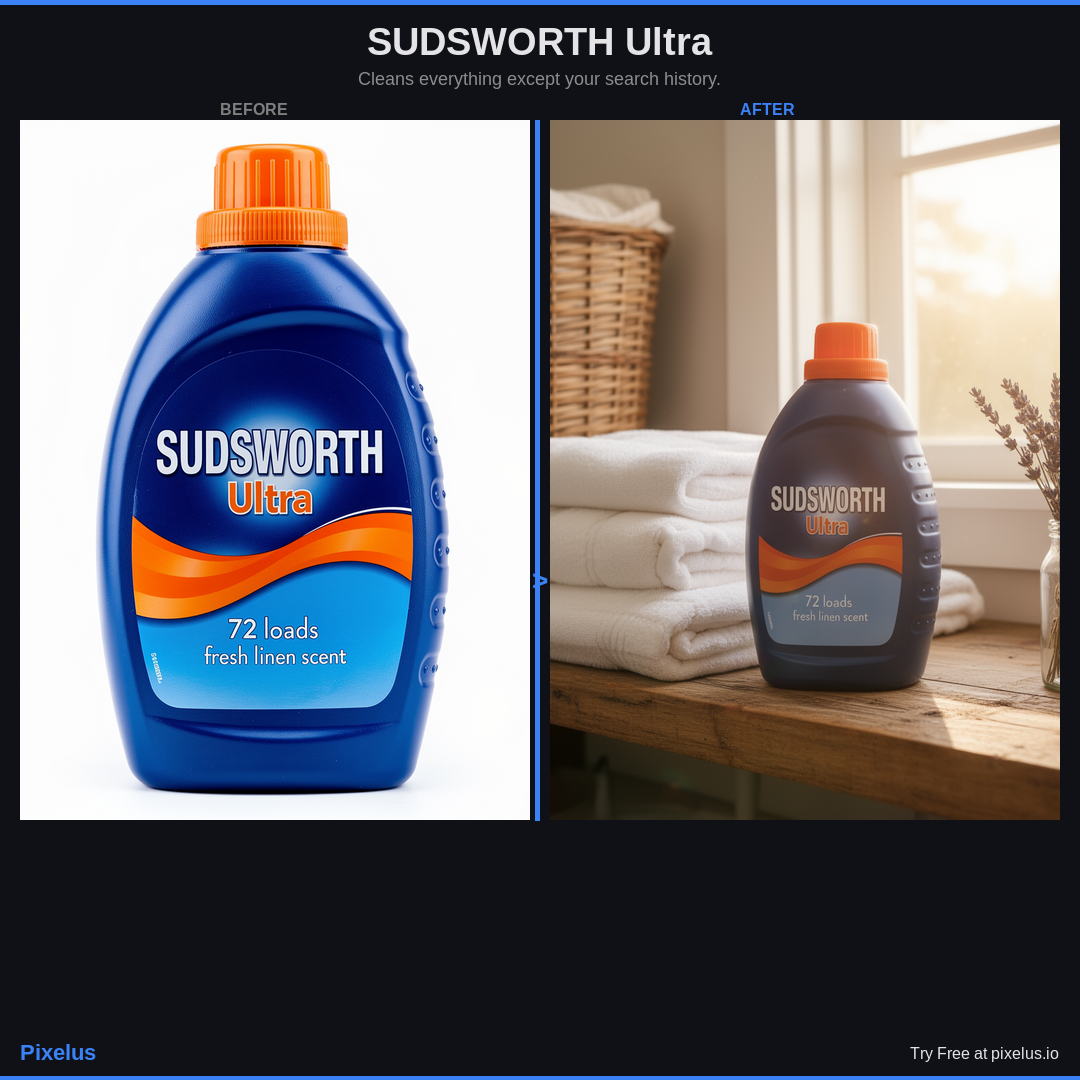
P&G detergent
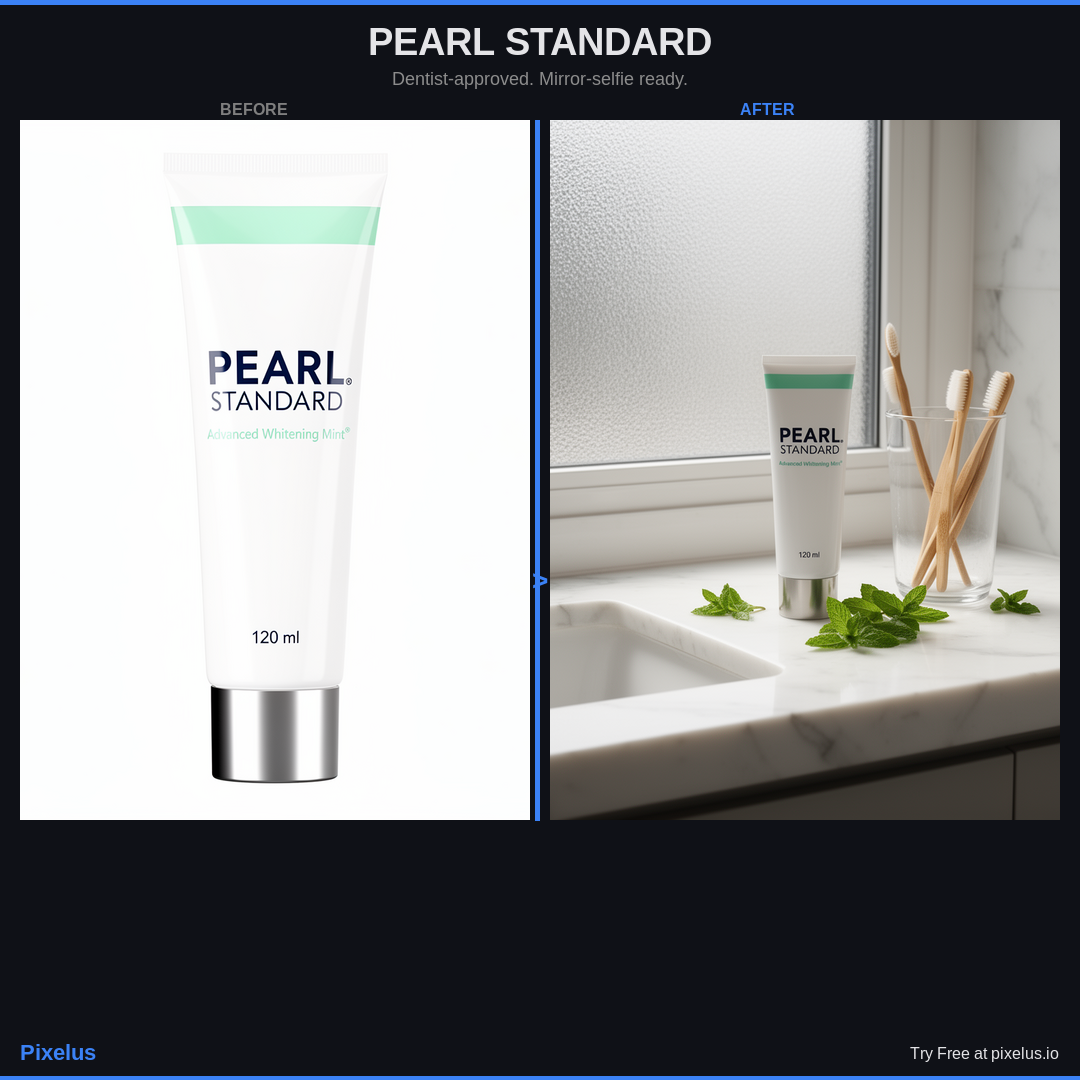
P&G toothpaste
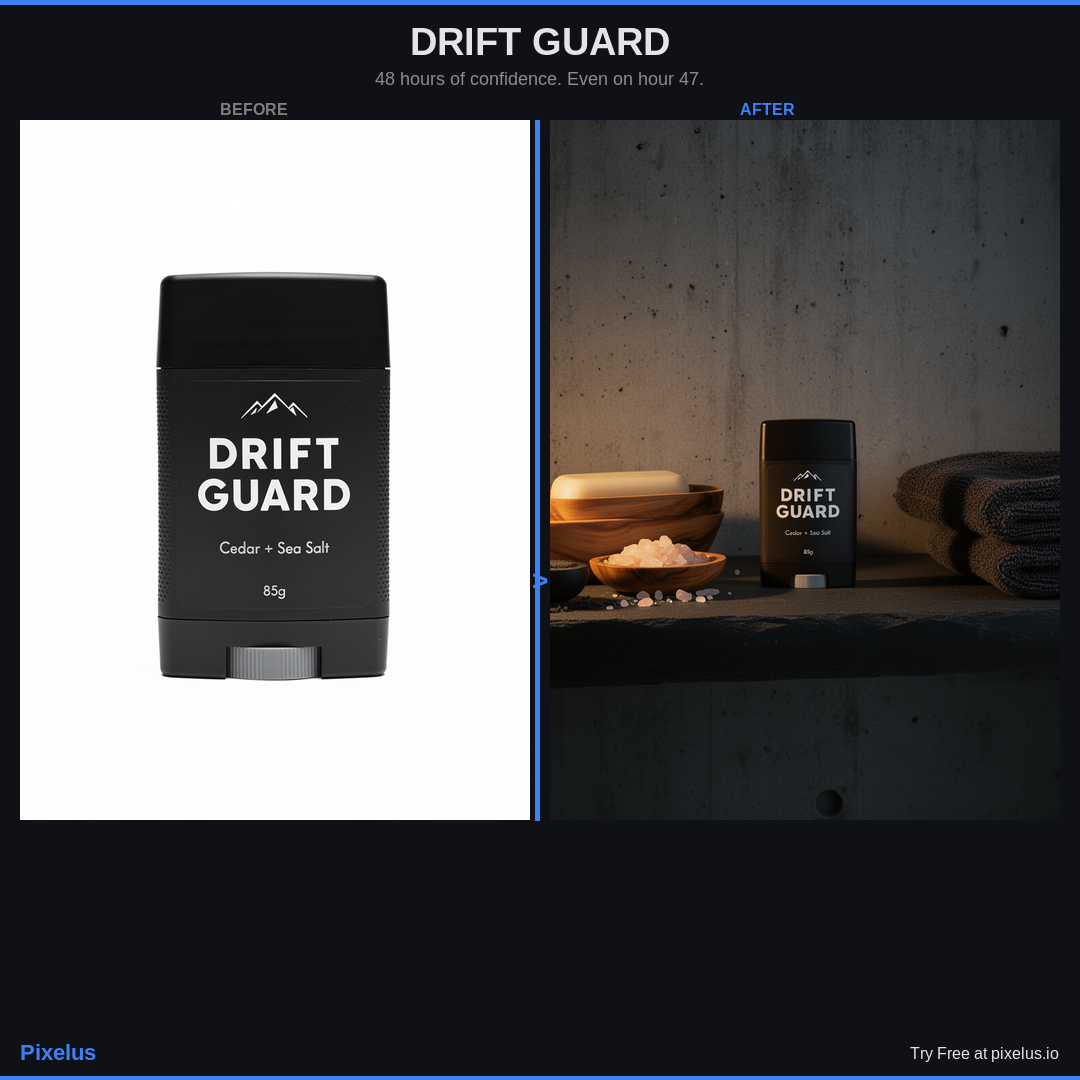
P&G deodorant
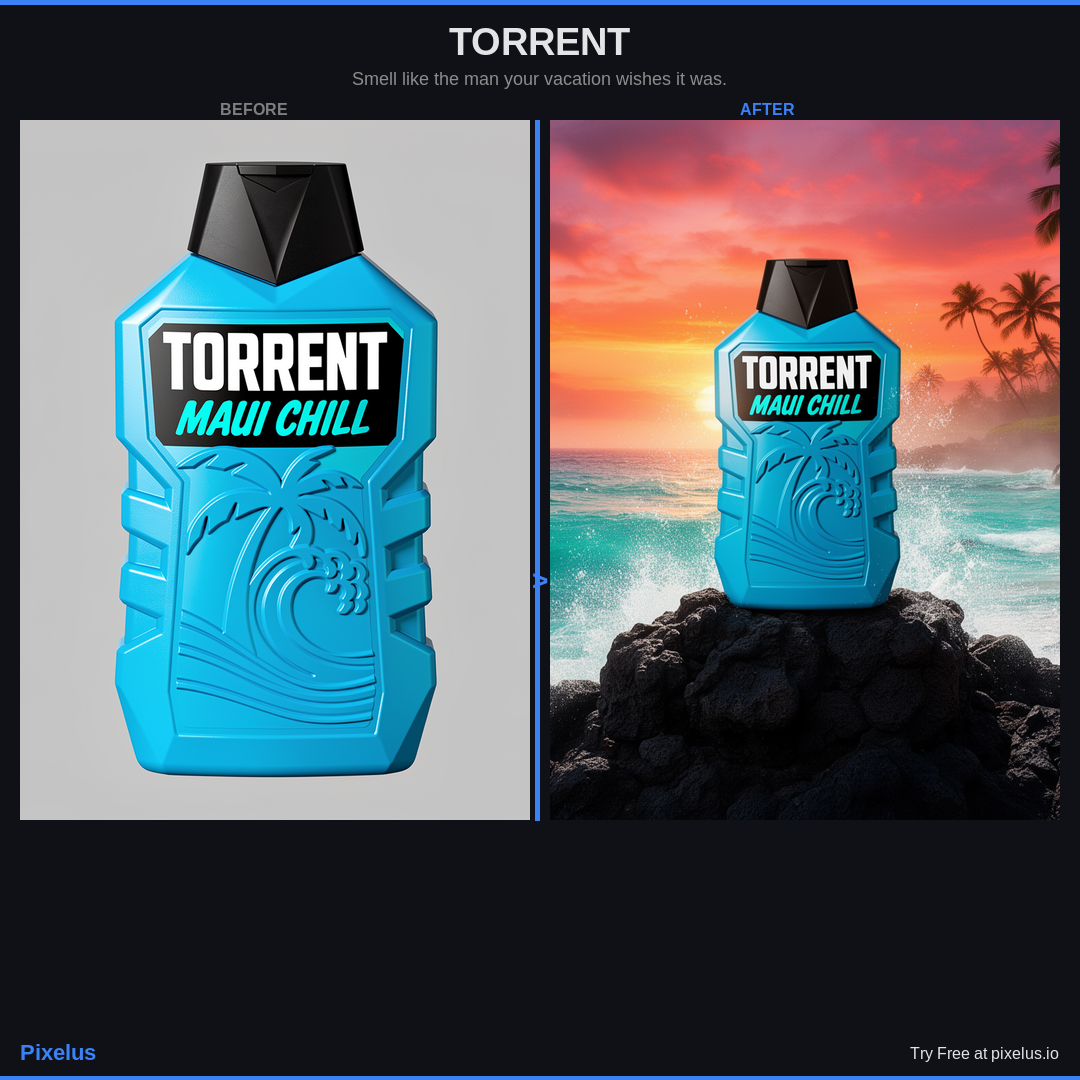
P&G body wash
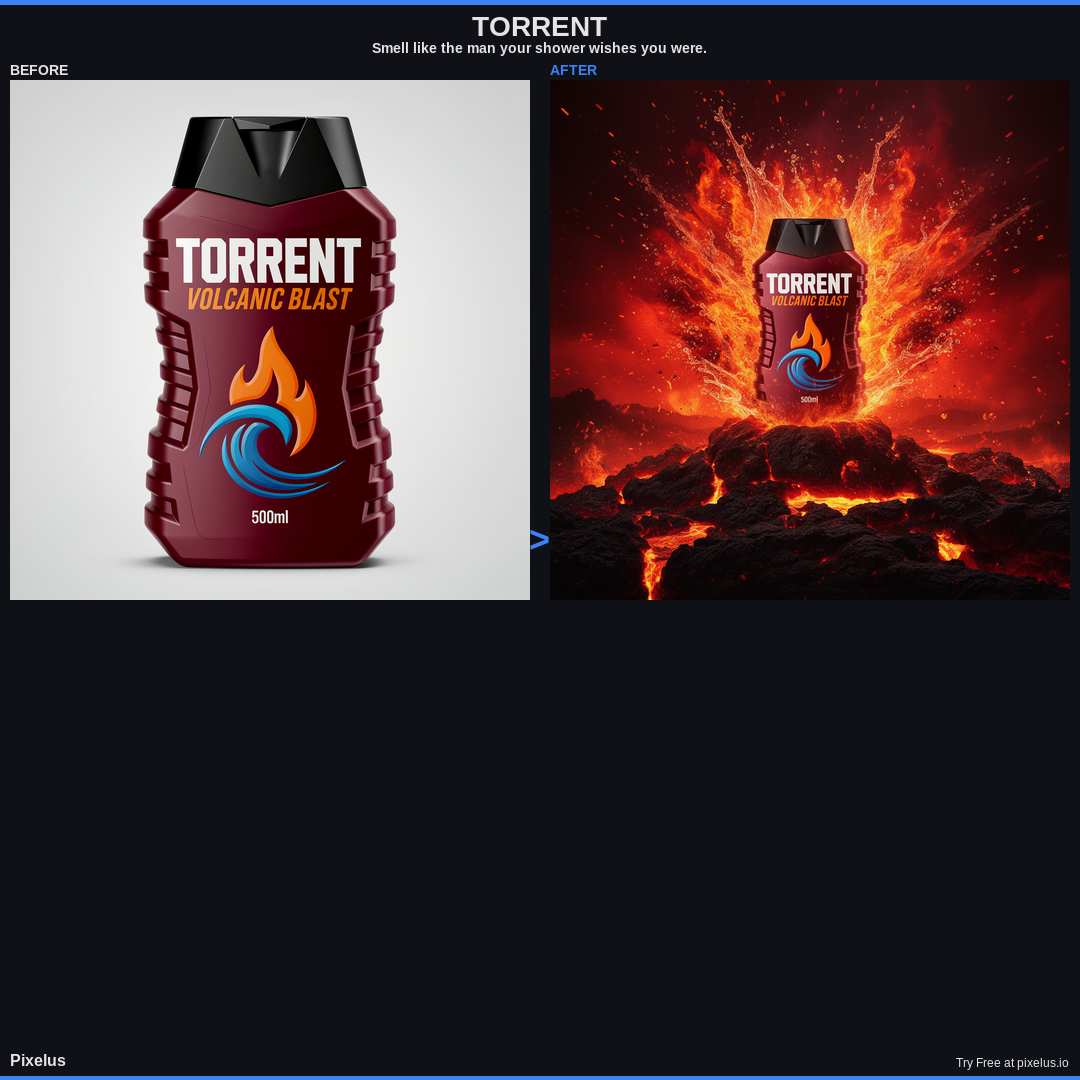
P&G body wash volcanic
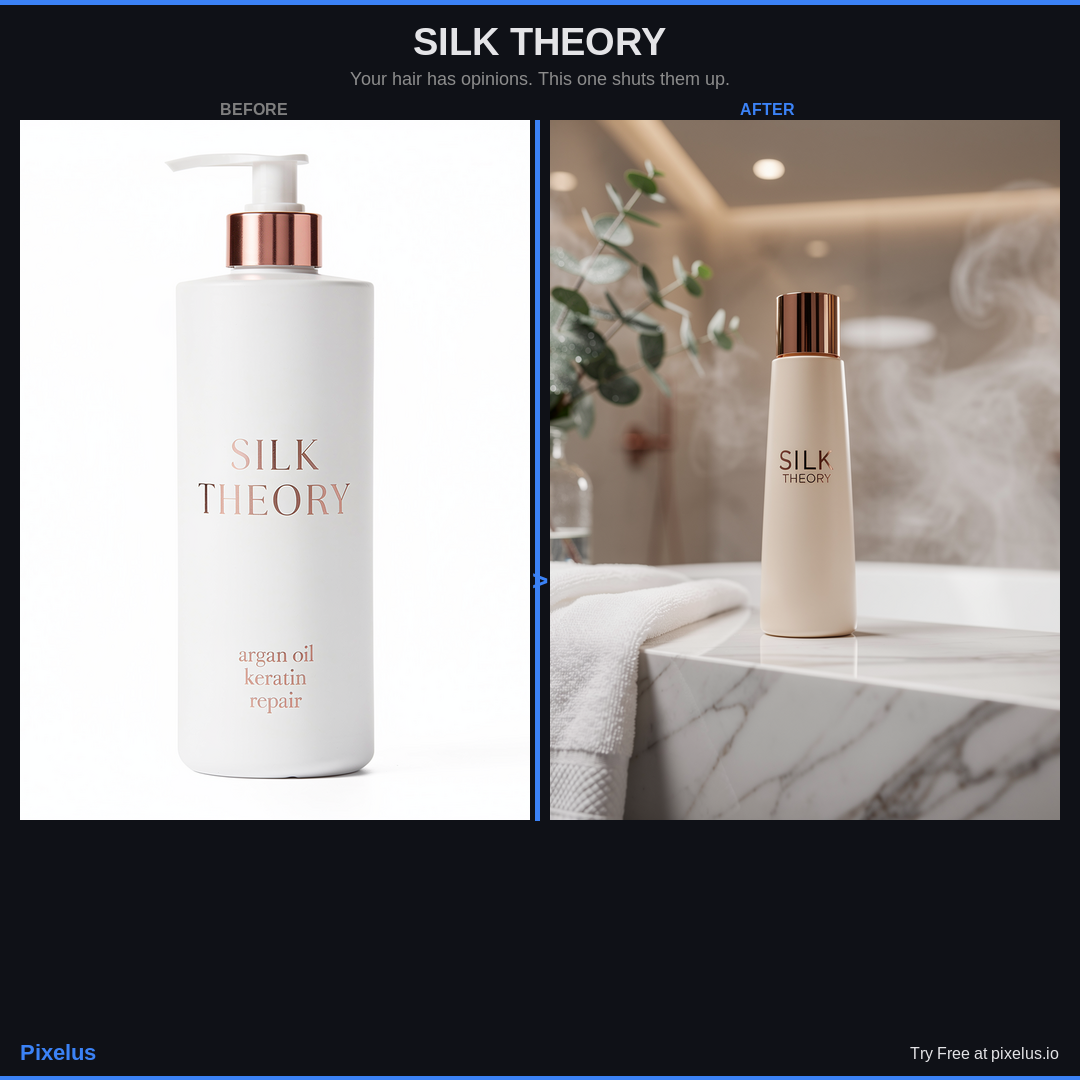
P&G shampoo
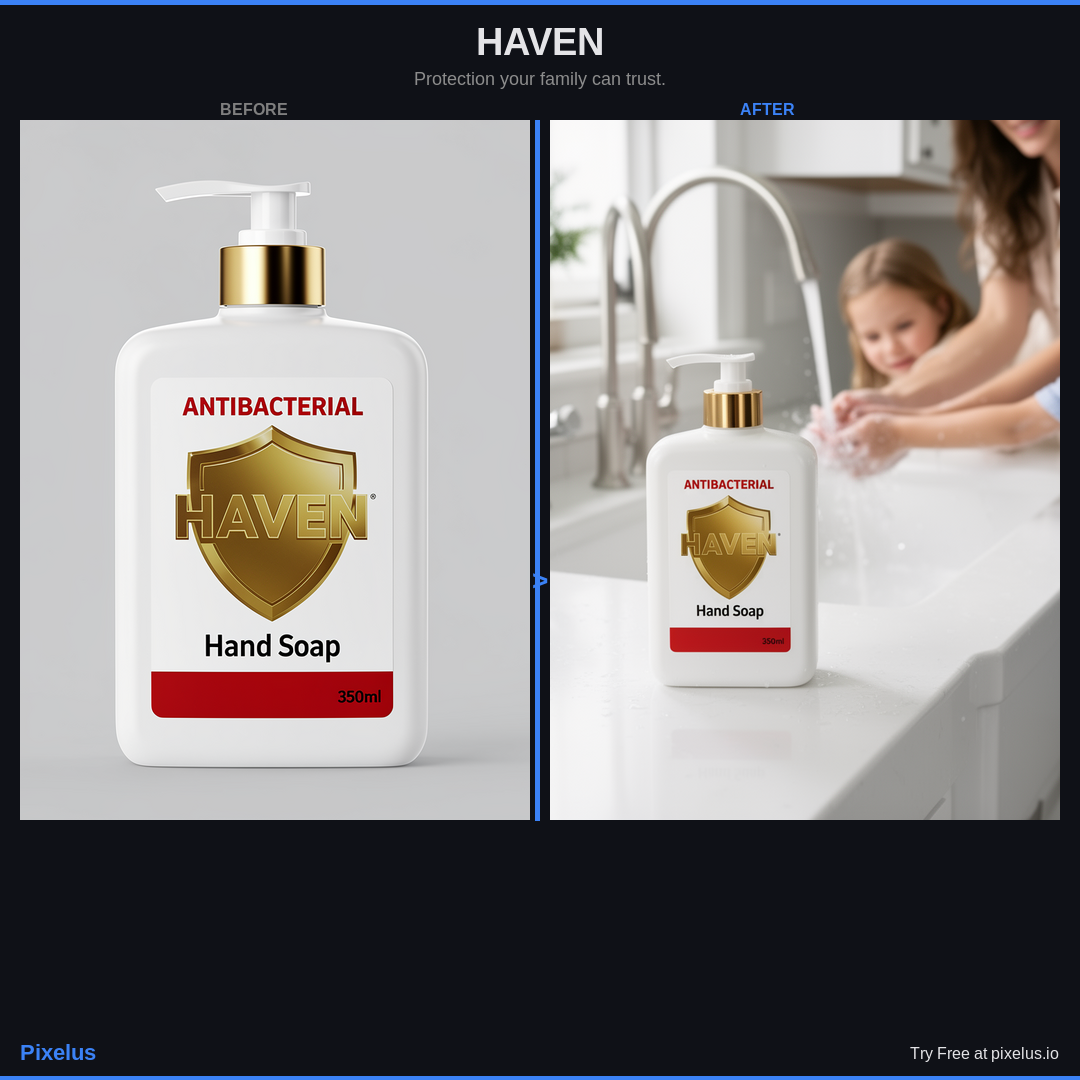
P&G hand soap
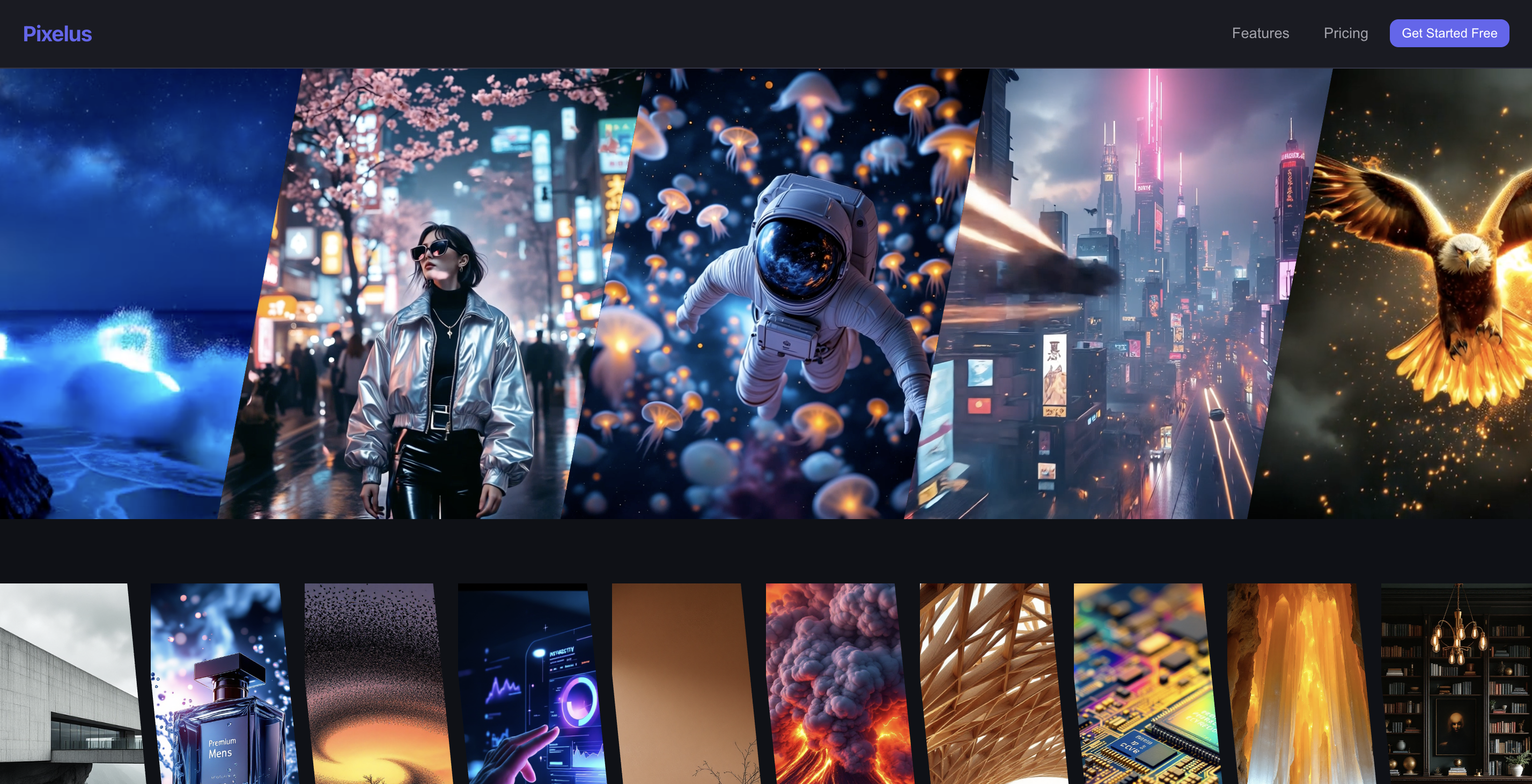
Pixelus - Landing
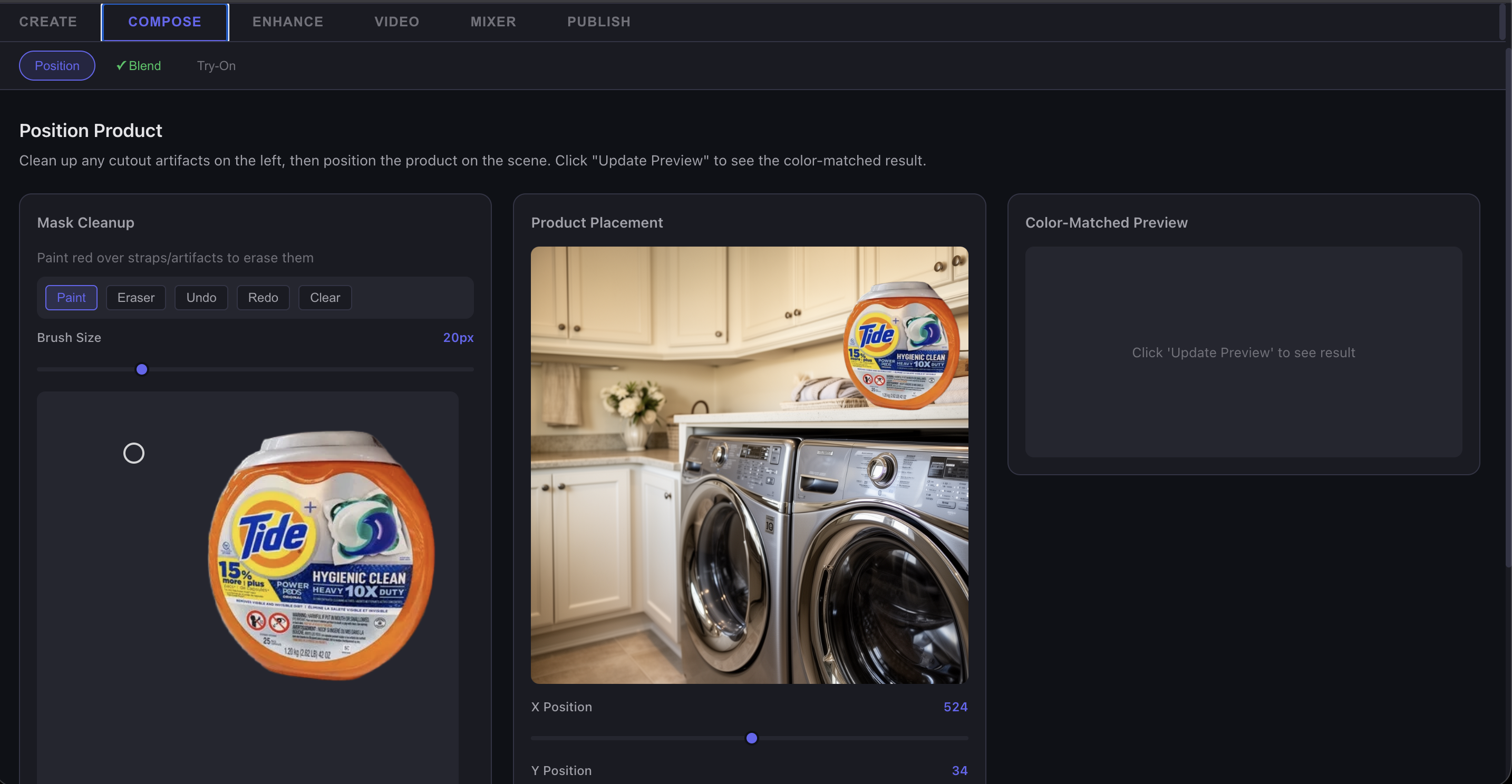
Pixelus - Compose Scene
Before / After
Product photos captured on mobile, then transformed into campaign-ready scenes while preserving the package identity.
P&G Tide Surf
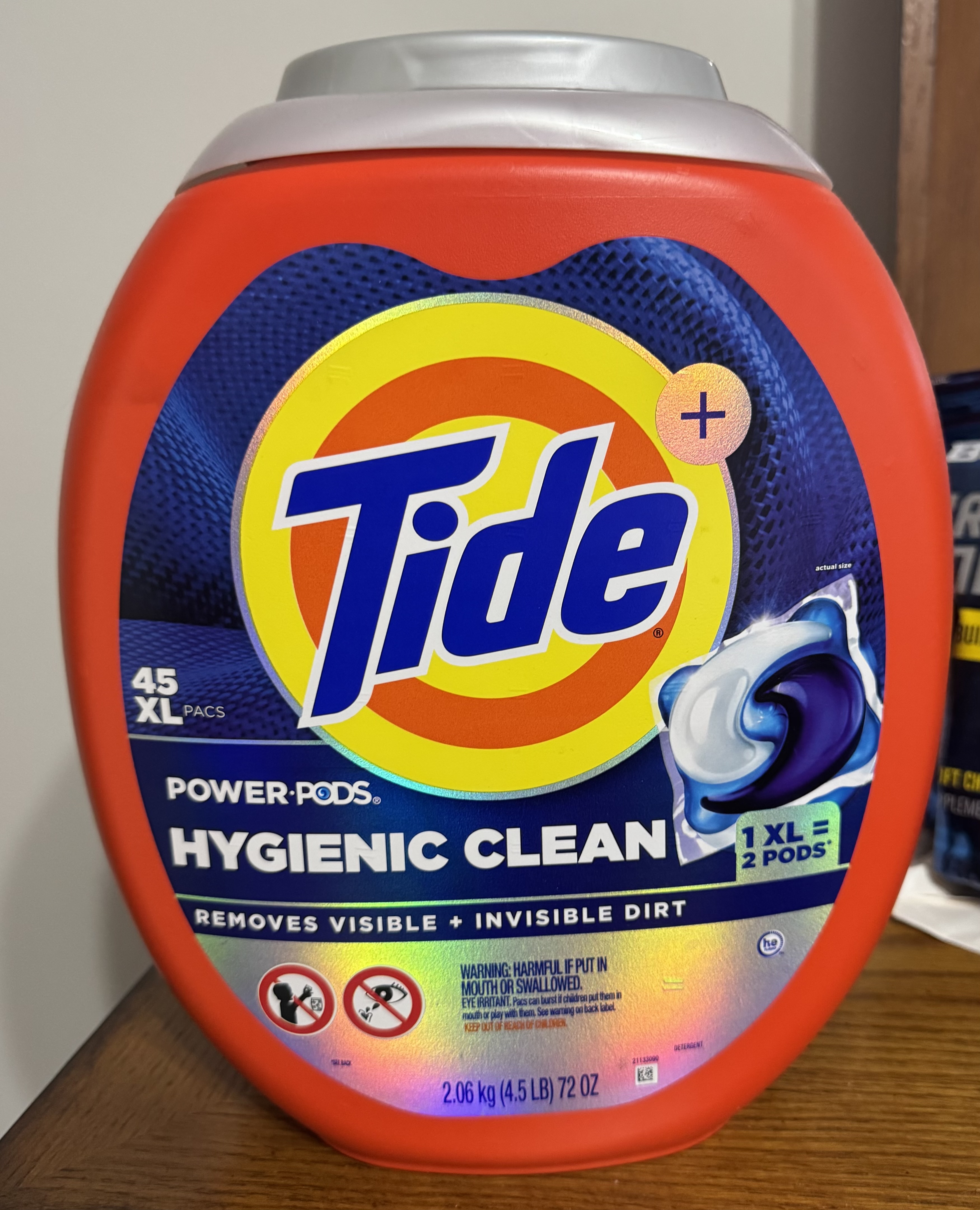
BEFORE
AFTER
P&G Old Spice Eaglefangs
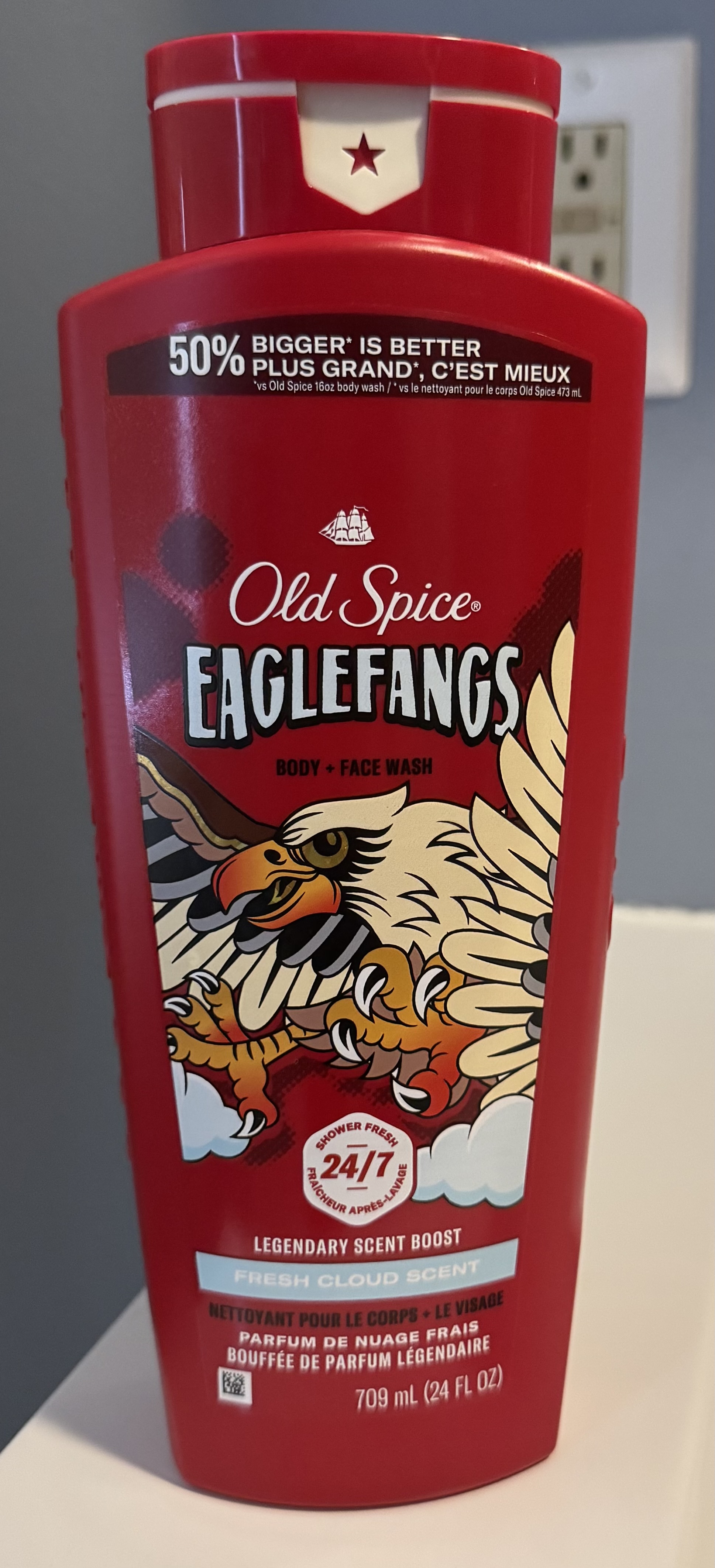
BEFORE
AFTER
P&G Old Spice Deep Sea
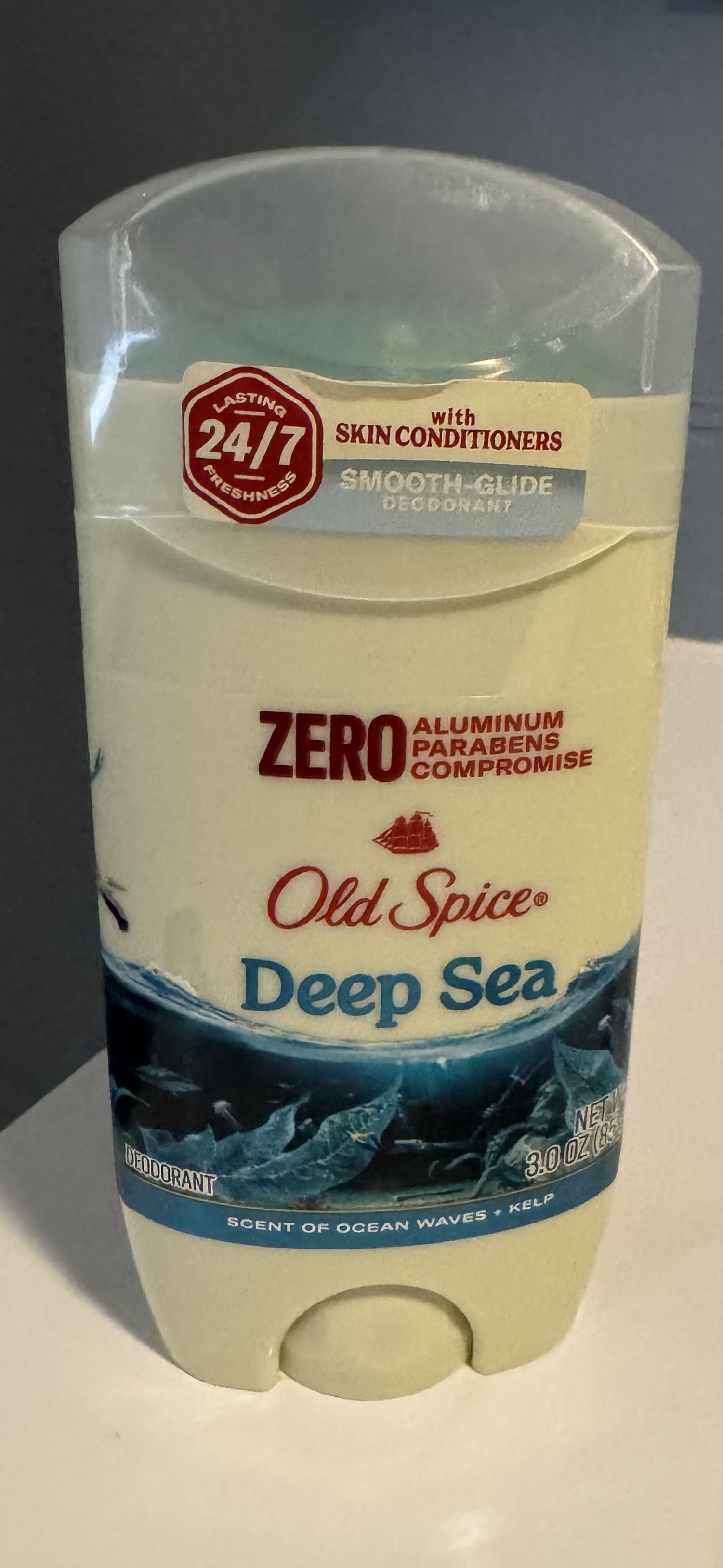
BEFORE
AFTER
Case Study
The Problem
E-commerce and CPG marketing teams need studio-quality product photography for every SKU across dozens of scenes: lifestyle, seasonal, social media crops. Traditional photoshoots cost $500-2,000 per setup and take weeks to schedule. Existing AI tools (Photoroom, Pebblely) offer simple background removal and templates, but they can't maintain product fidelity. Logos warp, labels blur, proportions shift. Marketers don't trust the output enough to use it in paid campaigns.
Design Challenge
How do you let a non-technical marketer generate photorealistic product scenes using AI, when the AI itself is unpredictable? Image generation quality varies wildly between runs. Users don't know how to write effective prompts. And the product, the one thing that must be pixel-perfect, is the hardest part for generative models to preserve.
Key Design Decisions
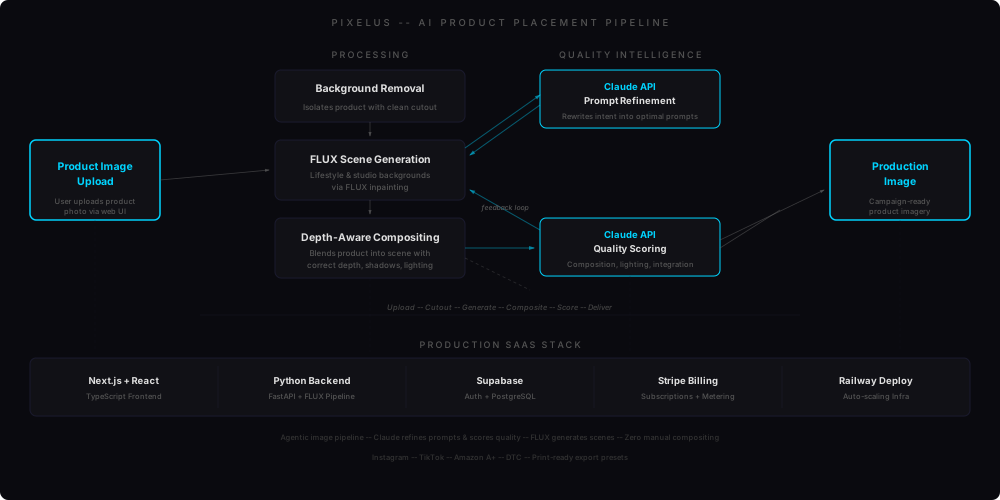
The core insight was separating what the AI controls from what it doesn't. The product image is never regenerated. It is composited into AI-generated scenes using inpainting and depth-aware blending, so logos and labels stay sharp. To solve the prompt literacy gap, I built a refinement layer using Claude's API: the user describes what they want in plain language, Claude rewrites it into an effective generation prompt, and the user sees both versions. This built trust. Users could see exactly how their intent was being interpreted before spending a credit. Quality evaluation is also AI-assisted: Claude scores each output on composition, lighting match, and product integration, surfacing the best results first.
Outcome
Shipped as a production SaaS at pixelus.io with Stripe billing, user authentication, and a moderation system. The portfolio gallery on this site shows real platform output across automotive, footwear, watches, beverages, and cosmetics. A native iOS companion app followed, with six creative styles, nine platform export presets, batch processing, and a built-in photo editor.
System Architecture
Technical Highlights
Product-Preserving Compositing
The product image is never regenerated. It is composited into AI-generated scenes using inpainting and depth-aware blending. Logos, labels, and fine details stay pixel-perfect while the surrounding scene is fully synthetic.
AI Prompt Refinement
Claude API rewrites user descriptions into effective image generation prompts. Users see both their original intent and the refined prompt, building trust in how their input is interpreted before spending a generation credit.
Automated Quality Evaluation
Claude scores each generated image on composition, lighting match, and product integration. The best results surface first, reducing the number of generations needed to get a usable shot.
Production SaaS Stack
Next.js frontend, Python backend, Supabase for auth and PostgreSQL storage, Stripe billing with usage-based credits, ML-based content moderation. Deployed on Railway with CI from GitHub.